

Chicago Tattoo culture is vibrant and rich with talented artists and diverse styles, making getting a tattoo in this city an exciting endeavor that requires careful planning and consideration. It is essential to prepare adequately for your session. Understanding what to expect can enhance your experience and ensure your tattoo meets your expectations.
Before you step into the studio, it’s crucial to research local tattoo artists and their portfolios. Finding an artist whose style aligns with your vision is a key aspect of the process. Chicago is home to numerous shops, each with its unique flair, so take the time to explore different artists’ work, read reviews, and consider recommendations from friends or online communities.
Another important factor is the hygiene and safety standards of the tattoo studio. A reputable shop should prioritize cleanliness and use sterile equipment. Inquire about their sanitation practices and ensure that they follow health regulations. This will not only provide peace of mind but also reduce the risk of complications post-tattoo.
Finally, preparation for the session itself is paramount. Be sure to stay hydrated and eat a substantial meal before your appointment. This will help you manage pain and maintain your energy levels throughout the process. Additionally, having a clear communication line with your artist during the session will ensure your ideas are accurately translated onto your skin, resulting in a tattoo you will cherish for a lifetime.
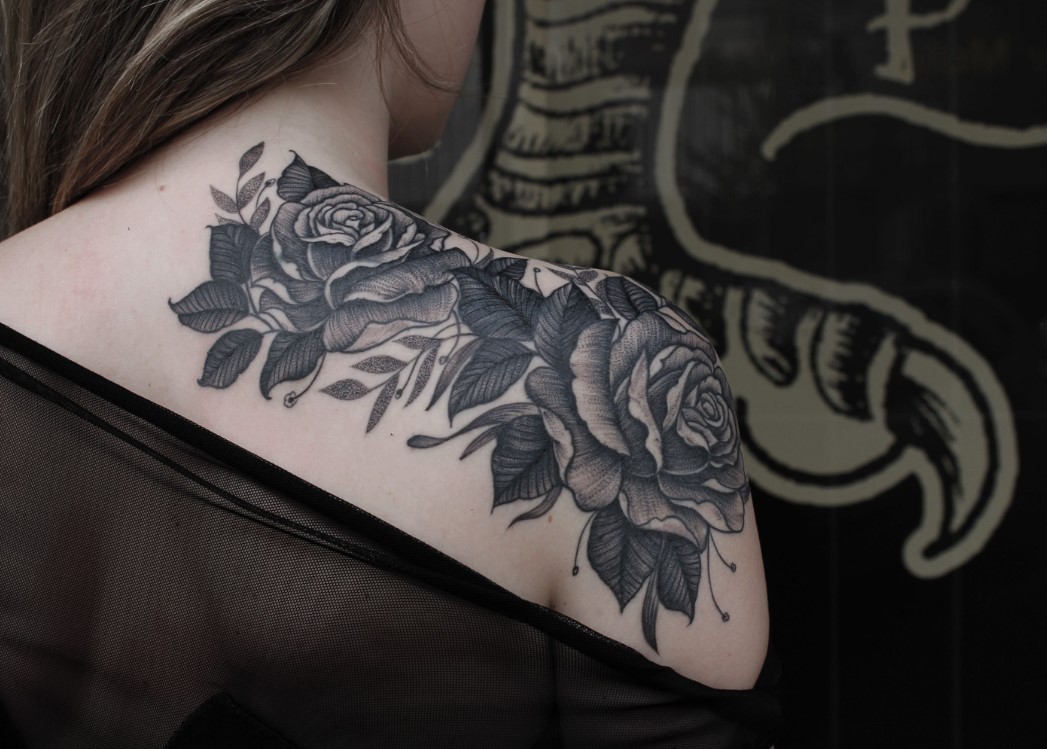
Choosing the Right Tattoo Artist in Chicago
Finding the perfect tattoo artist in Chicago is crucial for achieving the desired outcome for your body art. Start by researching artists in the area through online platforms, social media, and local tattoo shops. Pay attention to their portfolios, which showcase their styles and previous work. This will help you identify an artist whose aesthetic resonates with your vision.
Consider the artist’s specialization. Some may excel in realism, while others focus on traditional, neo-traditional, or abstract designs. Each tattoo artist has their unique strengths; selecting one who specializes in the style you prefer will enhance the quality of your tattoo.
Schedule consultations with prospective artists before making a decision. Use this opportunity to discuss your ideas, ask questions about their process, and evaluate their communication skills. A good artist will listen, offer suggestions, and ensure you feel comfortable and informed.
Check reviews and testimonials from previous clients to gauge the artist’s reputation and professionalism. Look for comments on their hygiene practices, customer service, and overall experience. A well-regarded artist will prioritize a safe and welcoming environment.
Lastly, ensure that the artist is licensed and follows proper health regulations. This not only protects your health but also indicates professionalism and adherence to industry standards. Choosing the right tattoo artist in Chicago requires careful consideration, but investing time in research will lead to a satisfying and memorable tattoo experience.
Understanding Tattoo Styles and Meanings
Tattoos are not just body art; they carry deep meanings and reflect the artist’s and the wearer’s intentions. Understanding various tattoo styles is essential for choosing the right design that resonates with personal experiences or beliefs.
Common Tattoo Styles
Each tattoo style has unique characteristics and historical significance. Below are some popular styles:
| Style | Description | Meaning |
|---|---|---|
| Traditional | Bold lines and bright colors, often featuring motifs like roses, skulls, and anchors. | Represents permanence and a classic aesthetic, rooted in sailor culture. |
| Realism | Highly detailed images that portray subjects as lifelike as possible. | Symbolizes a deep appreciation for art and the ability to capture reality. |
| Watercolor | Soft, flowing colors that mimic the appearance of watercolor paintings. | Often represents creativity, fluidity, and a free spirit. |
| Tribal | Geometric patterns and motifs that often draw on cultural heritage. | Embodies strength, identity, and connection to ancestral roots. |
| Japanese | Intricate designs featuring motifs like koi fish, cherry blossoms, and samurai. | Represents a rich cultural heritage and various themes such as strength and beauty. |
Symbolic Meaning of Tattoos
Tattoo meanings often depend on cultural contexts, personal significance, and design elements. For instance, a heart symbolizes love and passion, while a compass can represent guidance or a sense of direction. Additionally, some designs may hold cultural significance, such as Maori tattoos which convey tribal identity and status.
Taking time to understand the style and meaning behind a tattoo is crucial in ensuring that the chosen design resonates with the individual’s beliefs and values, making the tattoo not just a piece of art but a significant representation of one’s journey and identity.
Consultation Process: What to Expect
The consultation process is a crucial first step in planning your tattoo session in Chicago. During this meeting, you will discuss your design ideas, placement, and any specific elements you want to include. Understand that this is a collaborative effort between you and your tattoo artist to ensure your vision is effectively translated onto your skin.
Initial Discussions
Practical Considerations
In addition to discussing the creative aspects, the consultation will address practical matters. This includes the estimated duration of the session, pricing, and any necessary preparations. Your artist might discuss healing procedures and aftercare to ensure the longevity of your tattoo. Finally, be prepared for the artist to evaluate your skin type and any potential health concerns that could affect the tattooing process. This thorough approach will enhance your experience and guarantee a successful outcome.
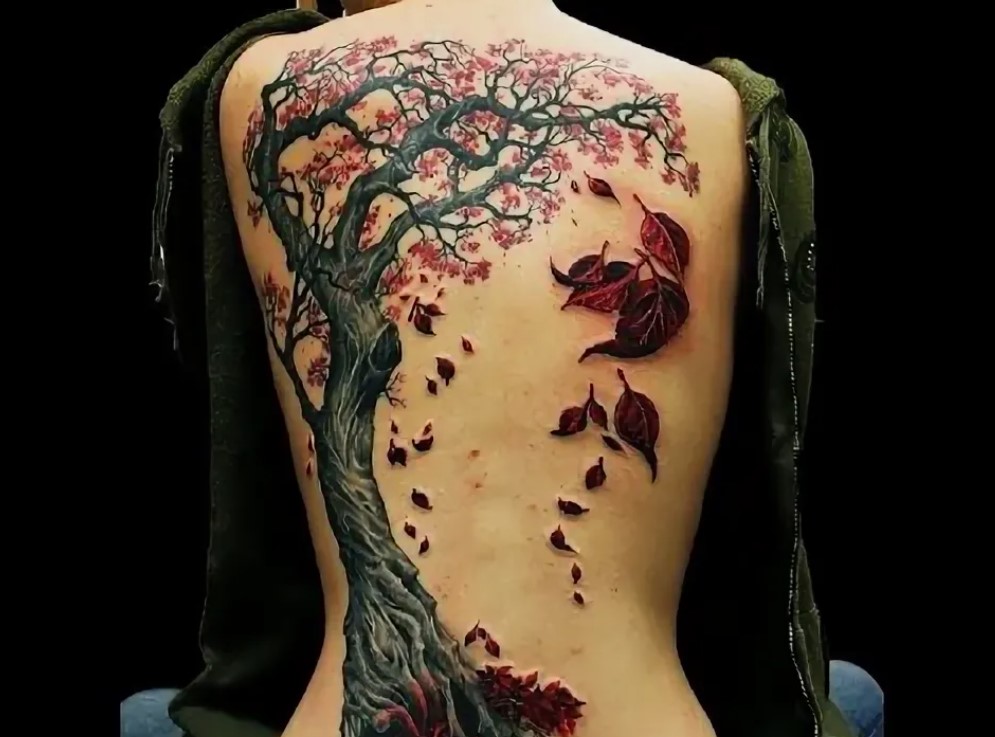
Preparing Your Skin for a Tattoo
Proper skin preparation is crucial for ensuring a successful tattoo session in Chicago. Following these guidelines will help minimize discomfort and promote better healing.
Stay Hydrated: Drink plenty of water in the days leading up to your appointment. Well-hydrated skin tends to be more elastic, making the tattooing process smoother and less painful.
Moisturize: Apply a gentle, fragrance-free moisturizer to the tattoo area for several days prior to your session. This helps keep the skin supple and reduces the likelihood of irritation during tattooing.
Avoid Sun Exposure: Minimize direct sunlight on the area to be tattooed. Sunburned skin is more sensitive and can increase pain during the process. If you do go outside, use sunscreen to protect your skin.
Exfoliate: Gently exfoliating the skin a day or two before your tattoo can help remove dead skin cells. This can create a smoother canvas, allowing for cleaner lines and better ink absorption.
Shave the Area: If applicable, shave the area where you will receive the tattoo to prevent discomfort during the session. Use a clean razor and avoid shaving on the day of the appointment to minimize irritation.
Avoid Alcohol and Blood Thinners: In the 24 hours before your tattoo, refrain from consuming alcohol, caffeine, and any blood-thinning medications or supplements. These can increase bleeding during the session, affecting ink application.
Consult Your Artist: Discuss any skin conditions or concerns with your tattoo artist ahead of time. They can provide specific advice tailored to your situation, ensuring a safe and enjoyable experience.
By taking these steps to prepare your skin, you can enhance your tattoo experience and achieve a vibrant, lasting piece of art.
Selecting the Perfect Tattoo Design
Choosing the right tattoo design is crucial for ensuring that you are happy with your artwork for years to come. Here are several key considerations to guide you through the selection process:
- Personal Meaning: Select a design that resonates with you on a personal level. Think about symbols, quotes, or images that reflect your beliefs, experiences, or important milestones.
- Style Preference: Research different tattoo styles such as traditional, realism, minimalist, or watercolor. Determine which style aligns with your vision and aesthetics.
- Size and Placement: Consider where on your body you want the tattoo and how large or small it should be. Take into account visibility, discomfort during the tattooing process, and how the design will fit with your body shape.
- Consult with the Artist: Engage in discussions with your tattoo artist. Share your ideas and let them offer their professional input. They may provide insights or enhancements that could elevate your design.
- Visual References: Gather a collection of images or sketches that inspire you. This can assist both you and your artist in understanding your concept during the design process.
- Future Considerations: Lastly, think about how your tattoo might be perceived over time. Consider changes in your life circumstances, relationships, or even personal style.
In summary, selecting the perfect tattoo design requires thoughtful consideration and personalization. By following these guidelines, you can ensure that your tattoo will be a true representation of you and endure the test of time.
Evaluating Tattoo Studio Hygiene Standards
When considering a tattoo studio, hygiene is paramount to ensuring both safety and satisfaction. Here are key aspects to evaluate during your visit:
1. Cleanliness of the Environment
Observing the general cleanliness of the studio is crucial. Look for:
- Floors and surfaces are disinfected regularly.
- Clutter-free work areas to avoid contamination.
- Proper waste disposal systems in place.
2. Equipment Sterilization Procedures
Ensure that the studio follows stringent equipment sterilization practices:
- All needles should be single-use and disposed of after each session.
- Autoclave machines should be utilized to sterilize reusable tools.
- Check for visible indicators of sterilization, such as tape or badges.
3. Artist Personal Hygiene
The hygiene of the tattoo artist is equally important:
- Artists should wear disposable gloves during the procedure.
- Regular hand washing before and after each tattoo application.
- Clean, presentable attire to maintain professionalism.
4. Sanitation Products
Verify the types of sanitation products used in the studio:
- Approved disinfectants for surfaces and tools.
- Proper aftercare products provided.
- Painters should use barrier film where necessary to prevent cross-contamination.
By taking the time to evaluate these hygiene standards, clients can ensure a safe and pleasant tattoo experience in Chicago.
Pricing Factors for Tattoos in Chicago
When considering getting a tattoo in Chicago, it is vital to understand the various pricing factors that can influence the overall cost. Tattoos are not a one-size-fits-all service, and several elements come into play when determining how much you can expect to pay.
Artist Experience and Reputation
The experience level and reputation of the tattoo artist you choose can significantly impact the price of your tattoo. Generally, the following applies:
- Experienced Artists: Established artists with a solid portfolio and strong reputation typically charge more due to their expertise and demand.
- Apprentices: Less experienced artists or those in training may offer lower prices, but this comes with varying levels of skill and professionalism.
- Specialization: Artists who specialize in specific styles (e.g., realism, traditional, Japanese) might also command higher rates.
Size and Complexity of the Tattoo
The size and complexity of the design are crucial factors in determining the price:
- Size: Larger tattoos typically take more time to complete, leading to higher costs. Smaller tattoos may have a lower base price.
- Detail: Intricate and detailed designs require more time and effort, therefore increasing the overall price.
- Color vs. Black and Grey: Color tattoos often cost more than black and grey due to the additional ink and time spent on shading and blending.
Being aware of these factors can help you budget for your tattoo session effectively. Always consult with your chosen artist to receive a quote based on your specific design and preferences.
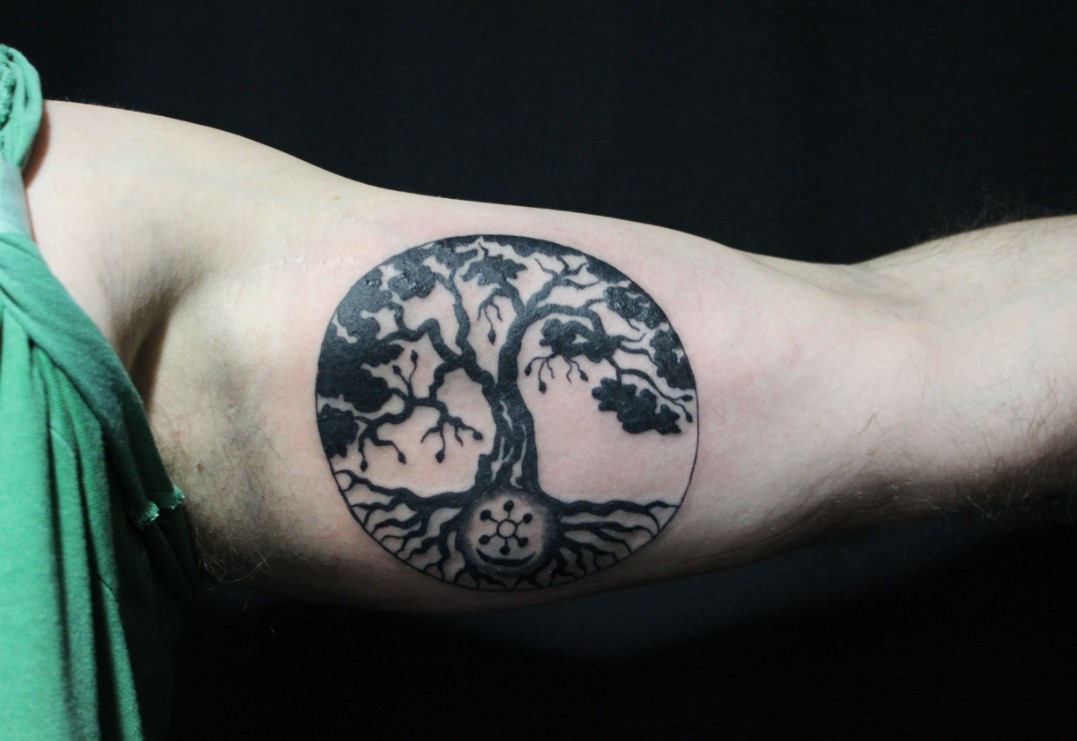
Understanding Pain Levels and Placement
When considering a tattoo session in Chicago, it’s crucial to recognize how pain levels vary by placement. Certain areas of the body are more sensitive due to the density of nerve endings, skin thickness, and proximity to bone. Understanding these factors can help set realistic expectations for your tattoo experience.
Areas with Higher Pain Levels
Tattoo placements on bony regions, such as the ribs, spine, and elbows, often result in increased discomfort. The skin is thinner in these areas, leading to heightened sensitivity when the needle punctures the skin. Similarly, areas with a lot of nerve endings, such as the inner arm, armpit, and knees, can also be quite painful during the tattooing process.
Less Painful Placement Options
Conversely, many people find that certain areas are less sensitive. Places like the outer shoulder, forearm, and thigh generally provide a more tolerable experience. These regions typically have more muscle and fat, serving as cushioning against the sensation of the tattoo needle. Knowing your pain tolerance and choosing the right placement can significantly enhance your tattoo journey.
Aftercare Instructions for Your New Tattoo
After getting a new tattoo, proper aftercare is essential to ensure optimal healing and to maintain the vibrancy of your artwork. Follow these guidelines to take care of your tattoo during the healing process.
1. Keep It Covered: Your tattoo artist will cover your new tattoo with a bandage or plastic wrap. Leave this on for at least a few hours as instructed. This helps protect the tattoo from bacteria and prevents irritation from clothing.
2. Cleaning the Tattoo: After removing the initial covering, gently wash the tattoo with mild soap and lukewarm water. Use your hand–not a washcloth–to avoid scratching the skin. Pat the area dry with a clean, soft towel; do not rub.
3. Moisturize: Once the tattoo is clean, apply a thin layer of fragrance-free moisturizer or a specialized tattoo aftercare ointment. Avoid over-applying; a light layer is enough to keep the area hydrated without suffocating it.
4. Avoid Soaking: For the first couple of weeks, refrain from soaking your tattoo in water. This includes baths, swimming pools, and hot tubs, as prolonged exposure to water can damage the ink and hinder the healing process.
5. Wear Loose Clothing: Opt for loose, breathable clothing that won’t rub against the tattoo. Tight clothing can trap moisture and irritate the skin, potentially leading to infections.
6. Sun Protection: Keep your tattoo out of direct sunlight for at least a few weeks. Once healed, apply sunscreen with a high SPF to protect your tattoo, preventing fading due to UV rays.
7. Avoid Scratching or Picking: Itching and peeling are normal parts of the healing process. Refrain from scratching or picking at scabs to avoid scarring and color loss. If itching is bothersome, apply a soothing lotion instead.
8. Monitor for Infection: Watch for signs of infection, such as excessive redness, swelling, pus, or increased pain. If you notice these symptoms, contact your tattoo artist or a healthcare professional for advice.
9. Follow Artist’s Instructions: Finally, adhere to any specific aftercare instructions given by your tattoo artist, as they may have recommendations based on your tattoo’s size, location, and your skin type.
By following these aftercare instructions diligently, you can help ensure that your tattoo heals properly and remains a source of pride and beauty for years to come.
Tattoo Removal Options in Chicago
Chicago offers various tattoo removal options catering to different needs and preferences. Whether you’re looking to eliminate a regrettable tattoo or lighten it for a cover-up, it is essential to understand the available methods, their effectiveness, and potential side effects.
Common Tattoo Removal Methods
The most popular tattoo removal techniques include:
| Method | Description | Pros | Cons |
|---|---|---|---|
| Laser Removal | Cold laser technology targets ink pigments, breaking them down for the body to absorb. | Less scarring, target specific colors, effective for all skin types. | Multiple sessions required, possible discomfort, higher cost. |
| Surgical Excision | A surgical procedure that removes the tattooed skin and stitches the area closed. | Immediate results for small tattoos, permanent removal. | Scarring, longer recovery time, not suitable for large tattoos. |
| Dermabrasion | A mechanical method that sands down the skin to remove the tattoo. | Rapid results, effective for certain skin types. | Higher risk of infection, potential for scarring, more painful recovery. |
| Chemical Peels | Application of chemical solutions to the skin to exfoliate and fade the tattoo. | Can be performed in a clinic, reduces tattoo visibility. | Multiple treatments needed, may cause irritation or uneven skin tone. |
Choosing the Right Option
Selecting the appropriate tattoo removal method depends on several factors, including the size and location of the tattoo, skin type, budget, and desired outcome. It is advisable to consult a qualified professional who specializes in tattoo removal in Chicago. They can assess your individual situation and recommend the best course of action. Additionally, always consider the potential risks involved in each method and follow all aftercare instructions to ensure optimal results.
Legal Considerations and Age Restrictions
When planning a tattoo session in Chicago, it’s essential to be aware of the local legal framework governing tattooing practices. The Illinois Department of Public Health regulates tattoo parlors and artists to ensure public safety and hygiene standards.
In Chicago, individuals must be at least 18 years old to receive a tattoo legally. This age restriction aims to protect minors from making permanent body alterations that they may later regret. However, if a minor wishes to obtain a tattoo, they must have a parent or legal guardian present, along with a signed consent form, confirming the guardian’s approval.
It is crucial to verify that the tattoo parlor is licensed and that the artist holds the necessary certifications. Check for a valid tattoo artist license, which demonstrates compliance with state and local regulations regarding health and safety practices.
Additionally, each tattoo shop should maintain a clean and sterile environment, adhering to the health codes set forth by the Illinois Department of Public Health. Before starting your session, make sure to ask about the hygiene measures in place, such as the use of single-use needles and proper sanitization protocols.
Understanding these legal considerations ensures a smoother tattoo experience and safeguards your health and well-being. Always keep updated with local laws, as regulations may change, and being informed can help prevent any unpleasant surprises on the day of your tattoo appointment.
Common Myths about Tattoos Debunked
Tattoos have become a significant part of modern culture, yet many misconceptions still surround them. Understanding the facts can help you make informed decisions about getting inked. Here are some common myths about tattoos that need to be cleared up.
Myth 1: Tattoos Are Permanently Unremovable
Many people believe that tattoos are permanent and impossible to remove. While it’s true that traditional removal methods can be painful and costly, advancements in laser technology have made it possible to significantly fade or remove tattoos. However, complete removal can vary based on factors such as ink color, tattoo size, and skin type. Consulting with a professional is essential to understand your options for tattoo removal.
Myth 2: Tattoos Are Only for Rebels or Outcasts
The stereotype that tattoos are reserved for rebels or those outside societal norms is outdated. Today, people from all walks of life, including professionals, educators, and artists, sport tattoos as a form of self-expression. Many view tattoos as personal stories, cultural symbols, or timeless art. They can be found in corporate settings as well, with many workplaces embracing diversity in personal appearance.
Q&A – Chicago Tattoo:
What should I consider when choosing a tattoo studio in Chicago?
When selecting a tattoo studio in Chicago, it’s important to research various options. Look for studios that maintain high cleanliness standards and have experienced artists. Read online reviews and check social media pages to see examples of their work. Additionally, make sure to visit the studio in person if possible, to get a feel for the environment and speak with the artists about your design ideas. Quality and sanitation practices are paramount for a safe and satisfying tattoo experience.
How do I prepare for my tattoo appointment?
Preparing for a tattoo appointment includes several key steps. First, ensure you are well-rested and hydrated before your session, as this can affect your pain tolerance and overall comfort. It’s also recommended to avoid alcohol and certain pain relievers like aspirin before your appointment. Arriving with a clear idea of your design and any reference materials will help the artist understand your vision. Dress appropriately for the area being tattooed, and consider bringing snacks or a drink to stay energized during the session.
What should I expect during a tattoo session in Chicago?
During a tattoo session, you can expect a brief discussion with your artist to finalize the design and placement of the tattoo. The artist will then clean the area and may use a stencil to outline the design on your skin. Depending on the size and complexity of the tattoo, the process can take anywhere from a few minutes to several hours. Throughout the session, you might feel some discomfort or pain, but this varies from person to person. Artists will typically take breaks if needed and will ensure you’re comfortable.
How can I ensure the best healing process for my tattoo?
To promote optimal healing for your tattoo, follow the aftercare instructions provided by your artist. Generally, you should keep the tattoo clean and moisturized and avoid direct sunlight and soaking in water for at least two weeks. Resist the urge to scratch or pick at scabs as the skin heals. Keeping the area hydrated and clean will help minimize infection risks and maintain the clarity of your tattoo over time. If you notice any unusual signs of infection, consult a medical professional immediately.
Are there any specific local regulations I should be aware of for tattoos in Chicago?
In Chicago, tattoo regulations primarily focus on health and safety standards. All tattoo artists must be licensed and work in facilities that meet health codes. It’s essential that studios provide proof of their licenses and adhere to sanitation practices to prevent infections. If you’re under 18, you will need parental consent, as minors are not permitted to get tattooed without it. It’s a good idea to check with the studio about their policies and any specific legal requirements before your appointment.
What should I consider when choosing a tattoo artist in Chicago?
When selecting a tattoo artist in Chicago, the first step is to research their portfolio. Look for styles that resonate with you, as artists often specialize in specific techniques. Check for certifications and licenses to ensure the artist adheres to health regulations. Reviews and testimonials from previous clients can provide insight into their experiences. Additionally, visiting the studio can help you gauge cleanliness and professionalism, which are key factors in making your decision.
How can I prepare for my tattoo session to ensure a smooth experience?
Preparing for your tattoo session involves several steps. First, ensure you are well-rested and hydrated, as this can affect your pain tolerance and overall comfort. Avoid alcohol and blood thinners, like aspirin, for at least 24 hours prior to your appointment, as these can increase bleeding during the procedure. Wear comfortable clothing that allows easy access to the tattoo area, and consider eating a light meal beforehand to keep your energy levels stable. Communicate openly with your artist about any concerns or questions; their expertise will help guide you through the process smoothly.
Trendy Tattoo Artist in Chicago is not just a title, but a promise that your new piece of art will be stylish, relevant, and executed using the most cutting-edge techniques.


