
Criteria for Achieving Good Tattoos are essential for achieving high-quality, long-lasting body art, as thoughtful choices are the result. Good Tattoos not only reflect the wearer’s personality and style but also endure the test of time. Understanding the essential factors involved is crucial for anyone considering this form of self-expression.
First and foremost, the artist’s skill and experience play a pivotal role in the final outcome. Choosing a tattoo artist with a strong portfolio and proven track record ensures technical precision and creative consistency. A skilled artist understands how to work with skin texture, body contours, and placement to create visually appealing and durable designs.
Design selection is another important factor. A meaningful and well-planned concept helps ensure that the tattoo feels personal and remains relevant over time. Custom artwork, thoughtful symbolism, and the right choice of size and placement all contribute to the overall impact.
Finally, proper aftercare is essential for maintaining Good Tattoos. Following professional instructions, keeping the area clean, and allowing the tattoo to heal correctly help prevent infection and preserve color vibrancy. With the right approach, individuals can enjoy tattoos that remain bold, beautiful, and timeless.
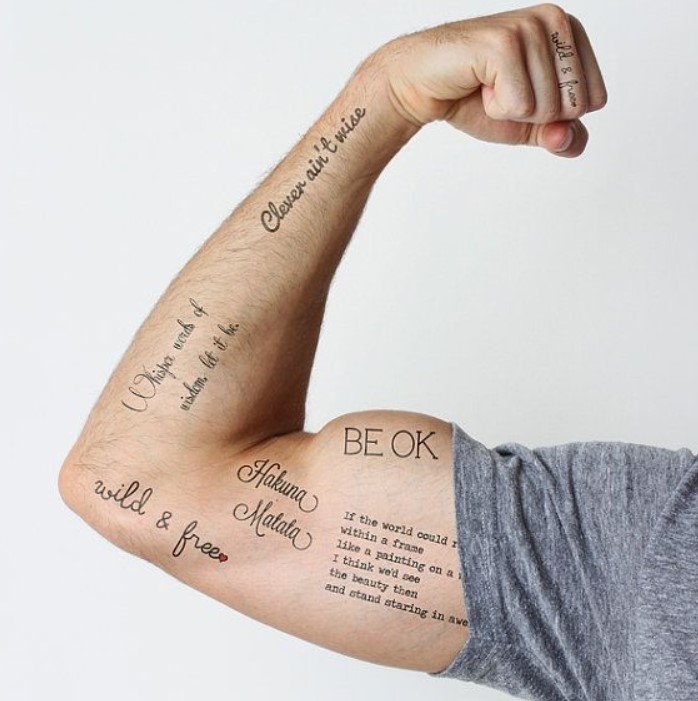
Good Tattoos and How to Select an Artist Who Matches Your Vision
Selecting the appropriate tattoo artist is crucial for bringing your vision to life. The right artist not only possesses technical skills but also aligns with your aesthetic and conceptual ideas. Here are key factors to consider when searching for the perfect tattoo artist.
Research and Recommendations
- Online Portfolios: Review tattoo artists’ online portfolios to evaluate their styles and techniques. Look for consistency and quality in their work.
- Reviews and Testimonials: Read reviews from previous clients. Positive feedback can indicate reliability and professionalism.
- Personal Recommendations: Seek advice from friends or family who have had tattoos done. Their experiences may lead you to talented artists.
Assessing Artistic Style
Your tattoo should reflect your personal vision. Here’s how to find an artist who can execute your ideas:
- Style Specialization: Artists often specialize in specific styles such as traditional, realism, or abstract. Ensure their specialty aligns with your desired tattoo style.
- Adaptability: A good tattoo artist can adapt their style to fit your vision while maintaining their unique artistic touch.
- Consultation Availability: Schedule consultations to discuss your ideas and gauge the artist’s understanding and enthusiasm for your concept.
Choosing the right tattoo artist is a significant step towards achieving the tattoo of your dreams. By doing thorough research and evaluating their artistic capabilities, you can ensure a successful and fulfilling tattoo experience.
Understanding Different Tattoo Styles and Their Characteristics
Tattooing is a diverse art form with a variety of styles, each with unique characteristics and cultural significance. Understanding these styles helps clients and artists communicate better, ensuring that the final design aligns with the desired aesthetic and meaning.
Popular Tattoo Styles
Here are some of the most significant tattoo styles, along with their key features:
| Style | Characteristics | Examples |
|---|---|---|
| Traditional | Bold lines, bright colors, and iconic motifs such as skulls, roses, and anchors. | Sailor Jerry, American traditional |
| Realism | High level of detail, lifelike images, capturing textures and shadows. | Portraits, wildlife, and nature scenes |
| Watercolor | Soft, brush-like strokes, vibrant colors blending together, resembling a watercolor painting. | Abstract designs, floral elements |
| Neo-Traditional | Combines traditional bold outlines with modern elements, intricate detail, and a broader color palette. | Contemporary interpretations of classic themes |
| Tribal | Geometric patterns, black ink, often inspired by indigenous cultures. | Polynesian, Māori, and Native American designs |
Choosing the Right Style
When selecting a tattoo style, consider factors such as personal taste, the meaning behind the design, and the placement on the body. Each style offers different artistic expressions, making it essential to collaborate with a tattoo artist who specializes in the chosen style for the best results.
Importance of Tattoo Design Research and Inspiration
Researching tattoo designs is a fundamental step in the tattooing process. It ensures that the chosen design resonates with the individual’s personality, values, and life experiences. An in-depth exploration of various styles, symbols, and meanings allows for a more personalized approach to tattoo art.
Inspiration can come from various sources such as nature, art, culture, and personal stories. Engaging with these elements can lead to unique designs that hold significant meaning. Understanding the background of different tattoo styles, such as traditional, tribal, or modern, can aid in making informed choices that are aesthetically pleasing and culturally respectful.
Furthermore, researching tattoo artists and their portfolios is crucial. An artist’s style and expertise can greatly influence the final outcome. Finding an artist whose work aligns with the desired design helps ensure that the tattoo reflects the intended vision accurately.
Additionally, utilizing social media platforms and tattoo conventions can provide a wealth of inspiration and knowledge. Connecting with the tattoo community allows individuals to discover trends, innovative techniques, and even hidden gems in tattoo art.
Ultimately, proper research and inspiration not only enhance the overall tattoo experience but also contribute to a piece of art that individuals can cherish for a lifetime.
Evaluating Tattoo Equipment and Hygiene Standards
The quality of tattoo equipment plays a crucial role in ensuring the safety and effectiveness of the tattooing process. First and foremost, it is essential to verify that artists use sterile, single-use needles for each procedure. This not only minimizes the risk of infection but also ensures that the needle is sharp and effective in creating clean lines.
Tattoo machines must be well-maintained and specifically suited for the type of work being performed. Artists should use machines that are reliable and capable of fine adjustments to achieve the desired results. Reviewing the machine’s specifications can provide insight into its quality and suitability for professional use.
Hygiene standards in the tattooing environment are equally vital. It is imperative to maintain a clean and organized workspace, with all surfaces sanitized before and after each client. This includes tables, chairs, and any other equipment that may come into contact with bodily fluids. The use of protective barriers, such as disposables covering equipment and surfaces, further enhances hygiene efforts.
Proper disposal of sharps and biohazardous materials is another essential aspect of hygiene. Artists should adhere to local regulations regarding waste disposal, ensuring that used needles and other hazardous materials are disposed of in designated biohazard containers.
Additionally, artists should prioritize their personal hygiene by wearing disposable gloves during the tattooing process. Regular handwashing before and after procedures is crucial in preventing cross-contamination. The use of high-quality, skin-safe inks is equally important, as these inks should be sourced from reputable manufacturers who comply with safety standards.
Finally, artists might consider their ongoing education regarding equipment and hygiene practices. Staying informed about the latest developments in the field, including new tools and health regulations, can significantly enhance both the artist’s skillset and client safety.
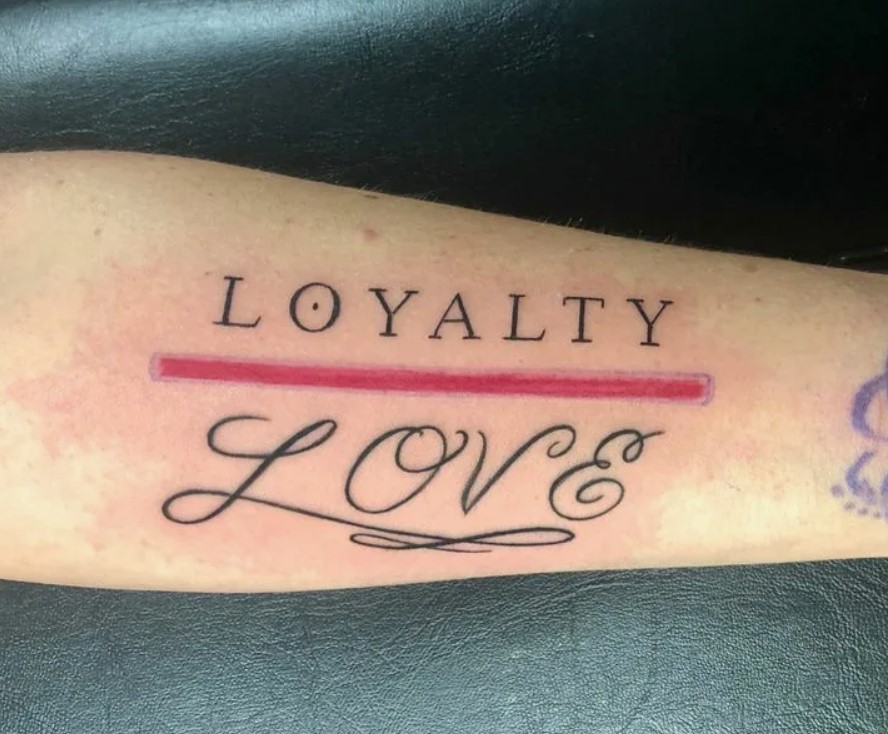
Discussing Your Tattoo Ideas: Communication with the Artist
Effective communication with your tattoo artist is crucial for translating your vision into a successful design. Start by gathering your ideas, inspirations, and any reference images that resonate with you. This preparation helps the artist understand your preferences and style.
Articulating Your Vision
When discussing your tattoo ideas, it’s essential to describe not just what you want but also the meaning behind it. Explain why the design is important to you, as this context can greatly inform the artist’s approach. Use clear language and be specific about elements such as size, color, and placement on your body.
Interacting During the Design Process
After presenting your ideas, be open to feedback from your artist. Experienced tattooists may suggest modifications to enhance the design’s flow and suitability for your skin type. Maintain a collaborative mindset by asking questions and discussing any adjustments. This ongoing dialogue ensures that the final design aligns with your expectations.
| Key Points to Discuss | Examples |
|---|---|
| Design Idea | Specific symbols or themes you wish to include |
| Placement | Where on your body the tattoo will be located |
| Size | Dimensions of the tattoo, e.g., small wrist or large back piece |
| Color Palette | Preference for black and grey, or color variations |
| Meaning | Personal significance of the tattoo |
In conclusion, open and honest communication with your tattoo artist is essential to achieving a design that truly reflects your vision. Prepare your ideas, articulate them clearly, and remain receptive to feedback throughout the design process to ensure a satisfying final outcome.

Considering Placement and Size for Maximum Impact
When selecting a tattoo, the placement and size are crucial factors that contribute to its overall impact. The location on the body can influence not only the aesthetic appeal but also the tattoo’s visibility and personal significance.
Placement should align with both the design of the tattoo and the individual’s lifestyle. Common areas for tattoos include the arms, back, and legs, each offering a different visual effect. For instance, tattoos on the forearm or wrist are often more visible, making them ideal for personal statements. In contrast, designs placed on the back or thighs can be more intimate, shared selectively with others.
Consideration of size is equally important. A large tattoo can serve as a bold statement, making it an excellent choice for intricate designs that require detail. Conversely, smaller tattoos can convey meaning without overwhelming the wearer’s body. It’s essential to balance size with placement, as a design that is too small may lose its impact in a larger area, while a tattoo that is too large may dominate a smaller space unnecessarily.
Moreover, consider how the tattoo interacts with the body’s natural movements and contours. Tattoos on areas that flex or move frequently, such as the elbows or knees, may require adjustments in sizing or design to maintain clarity over time. Additionally, transient skin changes–like weight fluctuations–can affect how a tattoo looks in the long run.
Lastly, think about the emotional connection to the placement and size. A tattoo that holds personal significance may be best placed where it can be easily seen by the wearer, reinforcing its meaning. Ultimately, thoughtful consideration of both placement and size will enhance the tattoo’s impact, ensuring it resonates well both for the individual and for observers.
Understanding Pain Levels and Aftercare for Different Areas
When considering a tattoo, it’s essential to understand the varying pain levels associated with different areas of the body. Pain sensitivity is influenced by factors such as skin thickness, proximity to bones, and the density of nerve endings.
- Low Pain Areas:
- Forearms: Generally considered a low pain zone due to thicker skin and fewer nerve endings.
- Upper Arms: Similar to forearms, with adequate muscle and fat padding to reduce sensitivity.
- Thighs: Fleshier areas with less nerve density lead to minimal discomfort.
- Moderate Pain Areas:
- Calves: Moderate pain can be felt here; muscle tissue provides cushioning but nerve endings can be more present.
- Back: The upper back tends to be less painful, while the lower back can cause more discomfort due to proximity to the spine.
- Shoulders: May experience moderate pain, particularly near bony structures.
- High Pain Areas:
- Ribs: Considered very painful due to thin skin and proximity to bone.
- Spine: The nerves are densely packed, making this area one of the most sensitive.
- Elbows and Knees: Bony areas with thin skin leading to heightened sensitivity.
Aftercare is crucial for the healing process and varies by skin area. Proper aftercare minimizes pain and reduces the risk of infection.
- Keep the Tattoo Clean: Wash gently with mild soap and water to remove any excess ink and prevent infections.
- Moisturize Regularly: Apply a fragrance-free lotion or tattoo aftercare ointment to promote healing.
- Avoid Sun Exposure: Protect the tattoo from sunlight, especially during the initial healing phase, to avoid fading and irritation.
- Do Not Pick at Scabs: Allow scabs to fall off naturally to prevent scarring and color loss.
- Wear Loose Clothing: Especially for tattoos on sensitive areas, to prevent irritation and allow airflow.
Understanding your pain threshold and the appropriate aftercare for your chosen tattoo location can enhance your overall tattoo experience and ensure better results.
Identifying Quality Inks and Their Longevity
Choosing the right ink is crucial for achieving high-quality tattoos that maintain their appearance over time. Quality inks are formulated with safe, durable pigments that retain vibrancy and resist fading. It’s essential to understand the components of ink to discern its quality effectively.
Types of Tattoo Inks
Tattoo inks can be divided into various categories based on their composition. Organic inks are made from plant-based substances and are generally seen as safer for the skin, although they may not always offer the same intensity of color as synthetic inks. Synthetic inks, on the other hand, are formulated using chemical compounds that can provide a broader spectrum of colors and longer-lasting results. When seeking quality, pay attention to the brand reputation and the source of the pigments used in the ink.
Longevity Factors
Several factors contribute to the longevity of tattoo inks. The lightfastness of the pigment is one of the most significant; pigments with high lightfastness resist fading when exposed to sunlight. Additionally, the binding agent used in the ink plays a vital role. Effective binding agents ensure that the pigments settle well in the skin, reducing the risk of blurring or fading. Lastly, aftercare practices are crucial as they influence how well the ink holds up over time. Proper moisturizing and sun protection can significantly enhance the tattoo’s longevity.
In summary, selecting quality inks and understanding their longevity determinants are pivotal for achieving tattoos that not only look great initially but also stand the test of time.
Reviewing Healing Processes and Potential Complications
Understanding the healing process of tattoos is essential for ensuring their longevity and appearance. Proper aftercare and awareness of potential complications can significantly influence the outcome.
The Healing Process
Typically, the healing of a tattoo occurs in several stages:
- Initial Healing (Days 1-5): The tattooed area may be red, swollen, and sensitive. It’s crucial to keep it clean and moisturized.
- Peeling Phase (Days 5-14): As the skin begins to heal, peeling may occur. Do not pick at scabs; instead, let them fall off naturally to avoid scarring.
- Settling Phase (Days 14-30): The outer layer of skin completes its repair, and colors may appear more vibrant as healing progresses. Any final scabs will disappear during this time.
- Complete Healing (1-3 Months): Although the surface may appear healed, deeper layers may still be recovering. Full healing can take up to three months depending on the individual’s skin and care routine.
Potential Complications
While most tattoos heal cleanly, complications can arise that may affect not only the tattoo’s appearance but also the individual’s health. Some common complications include:
- Infection: Signs include increased pain, redness, warmth, and discharge. If symptoms persist, medical attention is necessary.
- Allergic Reactions: Certain inks may provoke allergic responses. Red inks, in particular, are known for causing issues. Symptoms may include itching, rashes, or swelling.
- Scarring: Picking at scabs or inadequate aftercare can lead to scarring. Once scar tissue forms, it can alter the appearance of the tattoo.
- Fading: Tattoos can fade over time due to sun exposure, improper care, and skin aging. Adequate aftercare includes moisturizing and applying sunscreen.
- Keloids: Some individuals may develop raised scars outside the original tattoo design, known as keloids, particularly if they are prone to scarring.
Awareness of these processes and complications allows individuals to take proactive steps toward achieving and maintaining the quality of their tattoos.
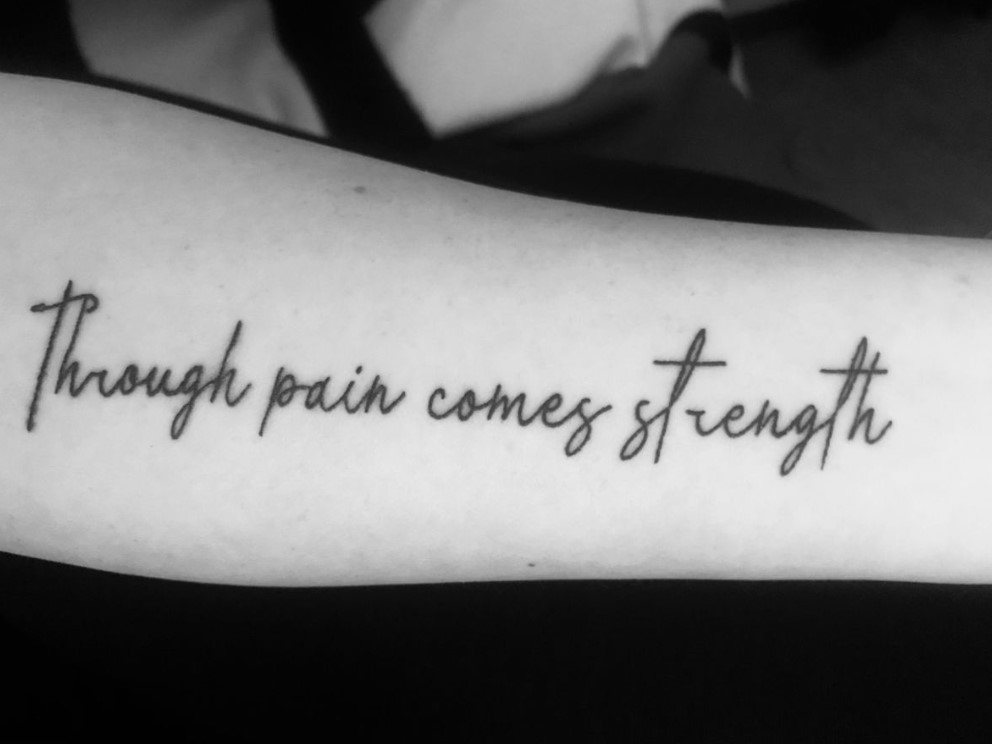
Maintaining Your Tattoo: Tips for Longevity and Vibrancy
After you get a tattoo, proper maintenance is essential to ensure its longevity and vibrancy. Start by following the aftercare instructions provided by your tattoo artist. This often includes keeping the tattoo covered for a designated period to protect it from bacteria and sunlight.
When the initial healing phase is over, begin moisturizing your tattoo regularly. Use unscented lotions or specific tattoo care products to avoid irritation. Applying a thin layer of moisturizer helps maintain skin elasticity and prevents dryness that can lead to fading.
Sun exposure can significantly affect the appearance of your tattoo. Always apply a broad-spectrum sunscreen with a high SPF before exposing your tattoo to sunlight. This protects the colors from ultraviolet rays that can cause fading or discoloration over time.
Hydration is also crucial for the skin’s health. Drinking plenty of water helps maintain skin moisture and elasticity, keeping your tattoo looking fresh. Consider incorporating a nutrient-rich diet that includes vitamins A, C, and E, which promote skin regeneration and healing.
Avoid soaking the tattoo in water, such as in pools, hot tubs, or baths, during the healing process. Once fully healed, limit prolonged exposure to water to maintain the tattoo’s quality. If you participate in water activities, ensure you protect your tattoo with sunscreen.
Lastly, be mindful of how you care for your skin overall. Regular exfoliation, while avoiding direct contact with the tattooed area, can help keep your skin healthy. If you notice any signs of fading or irritation, consult with a professional tattoo artist or dermatologist for advice.
Q&A: Criteria for Achieving Good Tattoos
What are the most important factors to consider when choosing a tattoo artist?
When selecting a tattoo artist, several key factors come into play. First, you should examine their portfolio, which showcases their previous work and helps you gauge their style and skill level. Look for clean lines, attention to detail, and a variety of designs. Second, consider their hygiene practices; it’s crucial that the artist maintains a sterile environment to prevent infections. Third, communication is vital. A good tattoo artist should be open to discussing your ideas and providing feedback. Lastly, reviews and referrals from previous clients can offer valuable insights into the artist’s reputation and professionalism.
How can I ensure my tattoo will age well over time?
To ensure a tattoo ages well, proper care during the healing process is essential. Follow your tattoo artist’s aftercare instructions, which typically include keeping the area clean, moisturized, and protected from sun exposure. Once healed, maintain the tattoo’s vibrancy by using sunscreen on the area when exposed to sunlight and keeping your skin moisturized. Additionally, choosing a design with bold lines and colors tends to stand the test of time better than intricate details, which may blur or fade more quickly. Regular skin care can also help in preserving the quality of your tattoo.
What should I expect during the tattooing process?
During the tattooing process, you can expect several stages. Initially, the artist will discuss the design and placement with you. Afterwards, they will prepare the equipment and clean the skin area where the tattoo will be applied. Once the design is transferred onto your skin, the actual tattooing begins. This involves the use of a tattoo machine, which inserts ink into the skin. Throughout the process, you may feel various levels of discomfort, but the pain is generally manageable. After completing the tattoo, the artist will clean the area and provide you with aftercare instructions to promote healing.
How do I choose the right tattoo design for me?
Selecting a tattoo design can be a personal and meaningful decision. Start by reflecting on what symbols, quotes, or images resonate with you. Consider your interests, life experiences, or values that you wish to express through the tattoo. Research different styles, such as traditional, realism, or abstract, to find what appeals to you aesthetically. Sketching your ideas or collaborating with a tattoo artist can also help you refine the design into something unique. Remember that this tattoo will be a long-term commitment, so take your time to choose something you will cherish.
What are common misconceptions about tattoos that people should be aware of?
There are several common misconceptions about tattoos. One is that tattoos are only for specific demographics or lifestyles; in reality, people from various backgrounds and professions get tattoos for diverse reasons. Another misconception is that tattoos are always painful; while there is some discomfort, many people find the experience more tolerable than expected. Additionally, some believe that tattoos cannot be removed, whereas various techniques can fade or remove tattoos if desired. Lastly, many think that tattoos are permanent and unchanging; however, ink can fade over time, and aging skin can affect the appearance of the tattoo, making proper care important for longevity.
Trendy Tattoo Artist in Chicago is not just a title, but a promise that your new piece of art will be stylish, relevant, and executed using the most cutting-edge techniques.


