
The world of body art is vast and diverse, but one particular form stands out for its personal significance: the custom tattoo. Unlike traditional designs that may be replicated across various individuals, a custom tattoo is uniquely crafted to reflect an individual’s personality, experiences, and aspirations. This bespoke approach to tattooing transforms a mere design into a deeply personal narrative etched onto the skin.
At its core, a custom tattoo is not just an aesthetic choice; it embodies a story or a symbol that resonates on a personal level. It often involves collaboration between the client and the artist, leading to designs that capture the essence of the individual. This relational aspect is essential, as it fosters a connection between the wearer and the art, making the tattoo a living testament to their identity.
Furthermore, the concept of a custom tattoo is shaped by cultural influences, artistic styles, and technological advancements. The rise of social media has made it easier for tattoo artists to showcase their portfolios and for clients to gather inspiration, allowing for a richer exchange of ideas. As such, the modern custom tattoo continuously evolves, embracing both traditional techniques and contemporary trends while remaining anchored in personal meaning.
The Importance of Personalization in Tattoo Design
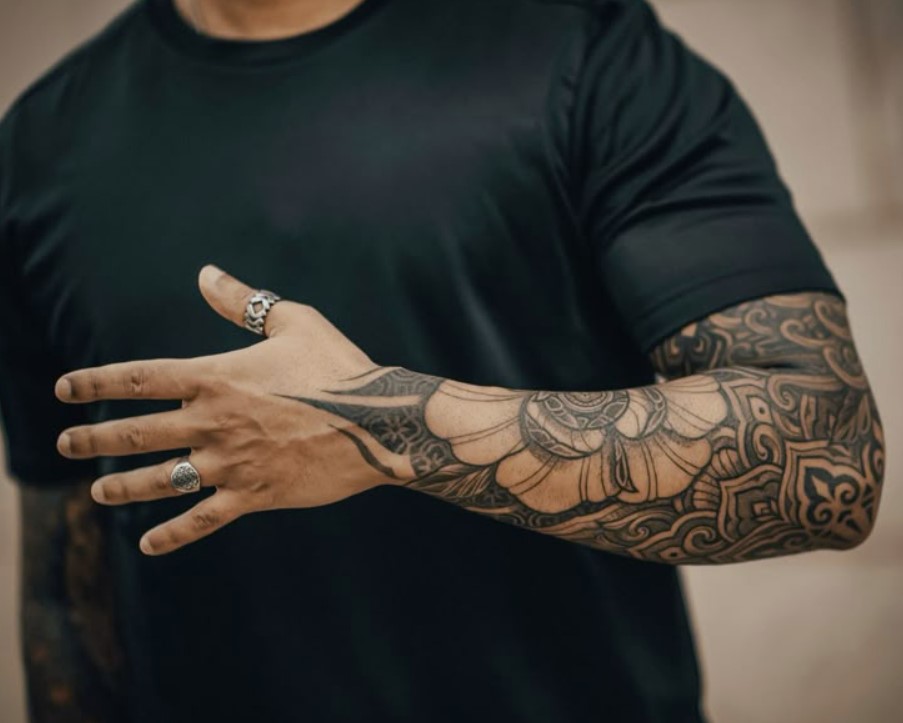
Personalization in tattoo design plays a crucial role in establishing a meaningful connection between the artwork and the individual. A tattoo often serves as a permanent symbol of one’s identity, beliefs, or significant life events. By customizing designs, individuals can reflect their unique stories and perspectives, making the tattoo not just an aesthetic choice but an emotional and personal expression.
Custom tattoos allow for the incorporation of personal symbols, colors, and styles that resonate with the wearer. This level of customization ensures that the final piece aligns with their vision and preferences, creating a sense of ownership and pride in the tattoo. Furthermore, personalized designs can forge a deeper bond with the art, transforming it into a cherished part of one’s identity rather than simply a trend or fashion statement.
Moreover, personalization in tattoo design fosters creativity and innovation. Artists are challenged to think outside the box, combining various styles and elements that reflect the client’s individuality. This collaborative process between the tattoo artist and the client not only results in unique artwork but also enhances the overall experience of getting a tattoo.
Ultimately, personalized tattoos serve as a testament to the journey of self-discovery and the importance of expressing one’s true self. They remind individuals of their values, experiences, and milestones, making personalization an integral aspect of the tattoo culture. In essence, a custom tattoo is not merely a design but a lifelong narrative that celebrates one’s uniqueness.
Choosing the Right Artist for Your Custom Tattoo
When embarking on the journey of getting a custom tattoo, selecting the right artist is crucial to ensure your vision comes to life. A tattoo artist’s experience, style, and professionalism play significant roles in achieving the desired outcome. Here are essential factors to consider when choosing your tattoo artist.
Research and Reviews
Start by researching local tattoo artists and studios. Look for portfolios showcasing their work, as this will give you a sense of their style and expertise. Pay attention to online reviews and testimonials from previous clients to gauge their satisfaction. Reputable artists often have a solid online presence, which reflects their trustworthiness and skill level.
Consultation and Communication
A face-to-face consultation is invaluable in the selection process. Discuss your ideas, preferences, and any concerns you may have. A good artist will listen attentively and provide suggestions based on their experience. Effective communication is vital to ensure you both share a clear understanding of the design and placement of the tattoo.
| Criteria | Importance | Notes |
|---|---|---|
| Portfolio Review | High | Assess the diversity and quality of past work. |
| Style Compatibility | High | Choose an artist whose style aligns with your vision. |
| Hygiene Standards | Critical | Ensure the studio upholds strict sanitation practices. |
| Artist Experience | High | Inquire about their years of practice and specializations. |
| Client Communication | High | Able to convey ideas and make adjustments. |
Choosing the right artist for your custom tattoo requires thorough diligence. By considering their portfolio, reviews, and your interpersonal connection, you can ensure a satisfying tattoo experience that meets your expectations.
Understanding Tattoo Styles and Their Meanings
Tattoo styles are as diverse as the cultures and artists that create them. Each style carries its own unique set of aesthetics, techniques, and cultural significance. Understanding these styles can enhance the meaning and connection behind a chosen design for a custom tattoo.
Traditional and Neo-Traditional
Traditional tattoos, often characterized by bold lines and a limited color palette, emerged from sailor culture in the early 20th century. Common motifs include skulls, roses, and anchors, each symbolizing specific themes such as death, love, and stability. Neo-traditional tattoos build on this foundation but incorporate more elaborate shading, detailed colors, and a broader range of imagery. These designs maintain the classic appeal of traditional tattooing while offering a modern twist and deeper thematic expression.
Realism and Illustrative Styles
Realism tattoos aim to capture lifelike images, whether of people, animals, or objects. This style requires an exceptional skill set, as artists must pay careful attention to detail, light, and shadow. Illustrative tattoos, on the other hand, blend artistic expression with unique interpretations of reality. They often feature whimsical elements or narrative scenes, allowing for a more imaginative take on the tattoo experience. Both styles convey deep meanings, ranging from personal memories to artistic representations of concepts and emotions.
How to Communicate Your Ideas to a Tattoo Artist
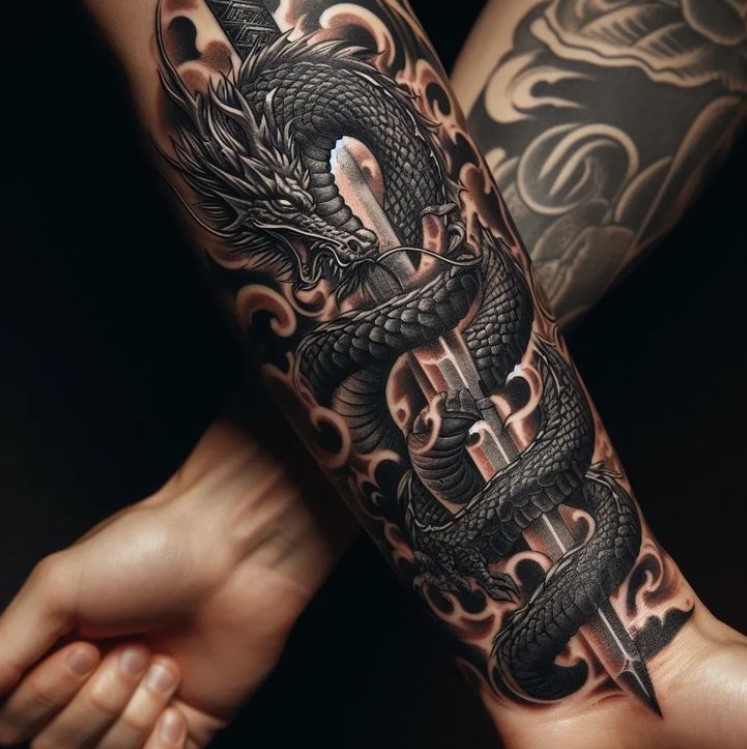
Effective communication with your tattoo artist is crucial to ensure that your vision is accurately translated into a meaningful design. Start by gathering visual references that resonate with your idea. This could include images, sketches, or even color palettes. The more visual material you provide, the clearer your intentions will become.
Next, think about the significance of the tattoo. Explain why you want this particular design and what it represents to you. Sharing personal stories or motivations behind your choice can help the artist understand the emotional aspect, leading to a more personalized art piece.
Discuss specifics, such as size, placement, and style. Be clear about where you want the tattoo on your body and how large or small you envision it. Different styles–such as traditional, realistic, or abstract–can require different techniques, so knowing your preferred aesthetic will guide the artist in creating a piece that aligns with your taste.
Keep an open mind when it comes to suggestions from your artist. They possess the experience and expertise to recommend modifications that enhance the design or make it more suitable for the chosen location on your body. Respect their professional opinion as a collaborative approach often yields the best results.
Clarify any specific elements that must be included or avoided. If your idea has strict components, outline them clearly. Conversely, let the artist know if you are open to their interpretations or suggestions. This balance between direction and freedom can foster creativity.
Finally, maintain an ongoing dialogue throughout the design process. Asking questions, seeking clarification, and providing feedback will ensure that you remain aligned with the artist’s progress. It’s important that both you and the tattoo artist feel satisfied and inspired by the final outcome.
Symbolism and Meaning Behind Custom Tattoo Designs
Custom tattoos are not just art but also a medium of personal expression. Each design carries unique symbolism and meaning, often reflecting the individual’s experiences, beliefs, or aspirations. Understanding the significance behind these tattoos enhances their value and connection to the wearer.
Cultural and Historical Significance
Many custom tattoos draw inspiration from cultural symbols that have deep historical roots. These designs can represent:
- Heritage: Tattoos may symbolize a person’s cultural background, showcasing symbols unique to their ancestry.
- Tradition: Certain designs are traditional in various cultures, often signifying important rites of passage or milestones.
- Spirituality: Symbols such as mandalas or tribal motifs often reflect spiritual beliefs or connections to a higher power.
Personal Significance
Custom tattoos frequently embody personal meanings tailored to the individual’s life story. Here are some common themes:
- Memorial: Tattoos may serve as tributes to loved ones, keeping their memory alive.
- Change: Many choose designs that mark significant life transitions, symbolizing growth or resilience.
- Passions: Custom tattoos can symbolize hobbies or interests, showcasing what defines the individual.
Through thoughtful design choices, custom tattoos become more than mere body art; they transform into powerful symbols that narrate the story of the wearer’s life, values, and individual journey.
Considerations for Placement of a Custom Tattoo
Choosing the right placement for a custom tattoo is as crucial as the design itself. The location can significantly influence not only the aesthetics of the tattoo but also the wearer’s experience and societal perceptions.
Factors to Consider
- Visibility: Decide whether you want your tattoo to be easily visible or concealed. Common visible areas include arms, forearms, and necks, while less visible spots include thighs, ribs, or back.
- Pain Level: Different body parts have varying levels of sensitivity. Areas with more flesh, like the upper arm or thigh, generally hurt less than bony areas, such as the spine or ribs.
- Professional Environment: Consider the culture of your workplace. Visible tattoos may be accepted in creative fields, while more traditional environments might require tattoos to be concealed.
- Size and Detail: Some designs may look better on larger surfaces, while intricate details require sufficient space for clarity. Assess how the design will fit into the chosen area.
- Age and Body Changes: Consider future changes such as weight gain or loss that may affect how the tattoo appears over time. Areas with more elasticity are less likely to distort.
Common Areas for Custom Tattoos
- Forearm: A popular choice for visibility and the ability to showcase larger designs.
- Back: Offers ample space for intricate designs and can be easily hidden under clothing.
- Thigh: A good area for both visibility and concealment, depending on the clothing worn.
- Wrist: A small area ideal for simple designs, but considered less suitable for larger artwork.
- Shoulder: Versatile for both large and small tattoos, with the added benefit of comfort.
Ultimately, select a placement that resonates with your personal style and lifestyle. Investing time in considering these factors will ensure that your custom tattoo is a meaningful addition that you will cherish for years to come.
The Role of Sketches in the Design Process
Sketches play a crucial role in the custom tattoo design process, serving as the initial phase where artistic ideas take tangible form. They offer a unique way for tattoo artists and clients to visualize concepts prior to inking on the skin. Through this stage, various elements such as composition, size, and placement can be explored, allowing both the artist and client to collaborate effectively.
Visual Communication and Concept Development
Sketches facilitate visual communication, making abstract ideas concrete. They allow for the exploration of different styles, motifs, and themes, which helps pinpoint what resonates most with the client. Artists can produce several iterations of a design, tweaking details until a satisfactory outcome is achieved. This back-and-forth exchange is vital for ensuring that the final tattoo reflects the client’s vision while also adhering to the artist’s expertise.
Technical Considerations and Adjustments
Beyond aesthetics, sketches provide a platform to address technical considerations. Artists can assess how the design will flow with the body’s contours and make adjustments to ensure a harmonious fit. This proactive approach reduces potential issues during the tattooing process, such as distortion or loss of detail over time. Ultimately, sketches serve not only as preliminary drafts but also as essential guides for achieving a successful and lasting piece of body art.
Common Mistakes to Avoid When Designing a Custom Tattoo
Designing a custom tattoo can be an exciting yet challenging process. To ensure that your tattoo is a true reflection of your identity and vision, it’s essential to avoid common pitfalls. This section outlines several mistakes that can compromise the quality and significance of your design.
| Mistake | Description |
|---|---|
| Not Researching Tattoo Artists | Choosing an artist without reviewing their portfolio can lead to disappointment. Make sure to explore their style and previous works to ensure they align with your vision. |
| Being Unclear About Your Vision | Lack of clarity in what you want can confuse the artist. Prepare visuals, descriptions, and references to convey your ideas effectively. |
| Ignoring Tattoo Placement | The location of the tattoo significantly impacts its visibility and impact. Consider how the design fits into the chosen area of your body and the implications it may have for your lifestyle. |
| Overcomplicating the Design | While elaborate designs can be striking, overly complex tattoos may lose detail over time. Simplicity often enhances clarity and longevity. |
| Neglecting Meaning | Aesthetics should be balanced with meaning. Tattoos can be permanent, so ensure that your design reflects values or experiences that are significant to you. |
| Failing to Consider Size | Choosing a design that is either too large or too small for the intended area can disrupt proportion. Consult your artist for recommendations on appropriate sizing. |
| Rushing the Process | Custom tattoo design takes time. Hasty decisions can lead to unsatisfactory results. Allow yourself time to refine the design and consult with your artist. |
| Not Understanding Aftercare | Ignoring proper aftercare can hinder the healing process and affect the tattoo’s appearance. Familiarize yourself with aftercare instructions to maintain your tattoo’s integrity. |
By avoiding these common mistakes, you can ensure that your custom tattoo is not only visually appealing but also deeply meaningful and enduring. Taking the time to reflect on your choices leads to a tattoo that you will cherish for years to come.
Aftercare Tips for Custom Tattoos to Ensure Longevity
Proper aftercare is essential for the longevity of a custom tattoo. Following specific guidelines can help to prevent infections, enhance healing, and maintain the vibrancy of the artwork. Here are some essential aftercare tips:
- Keep It Covered: For the first few hours after getting a tattoo, keep it covered with a sterile bandage. This protects the tattooed area from bacteria and external irritants.
- Gentle Cleaning: After removing the bandage, gently wash the tattoo with mild soap and lukewarm water. Avoid fragrances and harsh chemicals that can irritate the skin.
- Pat Dry: Use a clean, soft towel to gently pat the tattoo dry. Avoid rubbing, as this can cause irritation and affect the healing process.
- Moisturize: Apply a thin layer of a recommended tattoo aftercare ointment or fragrance-free moisturizer. This keeps the skin hydrated and promotes healing.
- Avoid Picking: Do not pick at scabs or peeling skin. This can lead to color loss and potential scarring.
- Limit Sun Exposure: Keep the tattoo out of direct sunlight during the healing process. Once healed, always use a high SPF sunscreen to protect the colors.
- Wear Loose Clothing: Opt for loose, breathable clothing over the tattooed area to avoid friction and irritation during the healing period.
- No Swimming: Avoid swimming pools, hot tubs, or ocean water for at least two weeks, as these can expose the tattoo to bacteria and irritants.
- Be Mindful of Activities: Limit strenuous activities that may cause sweating or excessive movement of the tattooed area until it is fully healed.
Following these aftercare tips will not only help your custom tattoo heal properly but also ensure that it retains its beauty for years to come. Remember, a well-cared-for tattoo is an investment in art that tells your unique story.
Exploring Trends in Custom Tattoo Art
Custom tattoo art has seen a remarkable evolution, reflecting a blend of personal expression and cultural influences. As individuals seek to portray their unique stories, the trends in tattoo design have become increasingly diverse and innovative. Understanding these trends can provide insight into the broader context of art and identity.
Minimalism and Fine Line Tattoos
One of the prominent trends in custom tattoos is minimalism, characterized by simple designs and fine lines. This style appeals to those who prefer subtlety and elegance in their body art. Fine line tattoos often depict delicate details and intricate patterns, allowing for a more refined aesthetic. Such designs are not only visually appealing but also offer clients the flexibility to incorporate personal symbolism without overwhelming imagery.
Watercolor and Abstract Styles
Another exciting trend is the adoption of watercolor and abstract styles, which are known for their vibrant colors and free-form designs. These tattoos mimic the appearance of watercolor paintings, often creating a sense of movement and fluidity on the skin. Artists utilizing this technique leverage splashes of color and artistic brush strokes, transforming the tattoo into a canvas of expression. This style allows for a significant degree of creativity, making each piece truly one-of-a-kind.
In conclusion, the trends in custom tattoo art showcase the dynamic nature of individual expression. As tattoo enthusiasts continue to explore diverse styles, the art form continues to evolve, fostering a vibrant community that values personalization and creativity.
Q&A: Defining the Concept of a Custom Tattoo
What is the definition of a custom tattoo?
A custom tattoo is a unique piece of body art that is specifically designed for an individual based on their preferences and ideas. Unlike flash tattoos, which are pre-designed and available for anyone to get, custom tattoos are created through collaboration between the client and the tattoo artist. This ensures that the final design reflects the personal style, experiences, or beliefs of the individual receiving the tattoo.
How do I choose the right design for my custom tattoo?
Choosing a design for a custom tattoo involves several steps. First, think about the themes or symbols that resonate with you personally. This might include significant life events, interests, or values. Research different styles and explore artists’ portfolios to find a style that appeals to you. After gathering ideas, consult with your tattoo artist who can help refine your concepts into a workable design. It’s crucial to ensure that the design holds meaning for you, as tattoos are a permanent form of expression.
What should I consider when selecting a tattoo artist for a custom tattoo?
When selecting a tattoo artist for a custom tattoo, consider their portfolio, cleanliness of the studio, and their communication style. Review their past work to ensure it aligns with the style you desire. A good artist should be open to discussions and willing to collaborate on your design. Check online reviews or ask for recommendations to get a sense of the artist’s reputation. Additionally, confirm that they follow proper health and safety protocols to ensure a safe tattooing experience.
How long does it usually take to create a custom tattoo design?
The time required to create a custom tattoo design can vary significantly based on several factors, including the complexity of the design and the artist’s workload. A simple design might be finalized in a single consultation, while a more intricate piece could take multiple sessions to perfect. Generally, artists spend time sketching and revising based on client feedback, which can take anywhere from a few days to several weeks. It’s important to communicate with your artist about timelines to ensure you have a clear understanding of the process.
Can the meaning of a custom tattoo evolve over time for the wearer?
Yes, the meaning of a custom tattoo can change for the wearer as they experience different stages of life. Initially, a tattoo might symbolize a specific moment, achievement, or belief. However, as years pass, the person’s perspective may shift, and the tattoo might come to represent something new or even become a reminder of their growth. This evolving significance can make the custom tattoo even more personal, illustrating how life experiences influence personal narratives over time.
What are the key elements that define a custom tattoo?
A custom tattoo is characterized by its unique design that is tailored specifically for an individual. The key elements include the originality of the artwork, the personalization aspect, and the collaboration between the tattoo artist and the client. Custom tattoos begin with the client’s ideas and preferences, which the artist transforms into a meaningful piece of art. This process often involves discussions about themes, symbols, and styles that resonate with the client, ensuring that the final design is not just a random image but a significant representation of the wearer’s personality or experiences.
Trendy Tattoo Artist in Chicago is not just a title, but a promise that your new piece of art will be stylish, relevant, and executed using the most cutting-edge techniques.


