
How Much Does a Tattoo Cost is one of the most significant considerations accompanying the decision to get a tattoo. Understanding the factors that contribute to tattoo pricing can help individuals make informed choices when it comes to their body art. Prices can range dramatically, influenced by elements such as the tattoo’s size, complexity, location on the body, and the artist’s experience.
On average, a small, simple tattoo can cost anywhere from $50 to $150, while larger and more intricate designs may start at $200 and can escalate to thousands of dollars. Factors such as the reputation of the tattoo studio and regional differences also play a crucial role in determining the final price of a tattoo. In addition, some artists charge by the hour, which can add to the overall expense depending on the time required to complete the design.
In this article, we will delve deeper into the various aspects that influence the cost of tattoos, providing potential clients with a clear understanding of what to expect financially before embarking on their tattoo journey. Whether you are considering your first tattoo or adding to your collection, being informed will enable you to choose the best options that suit your budget and artistic vision.
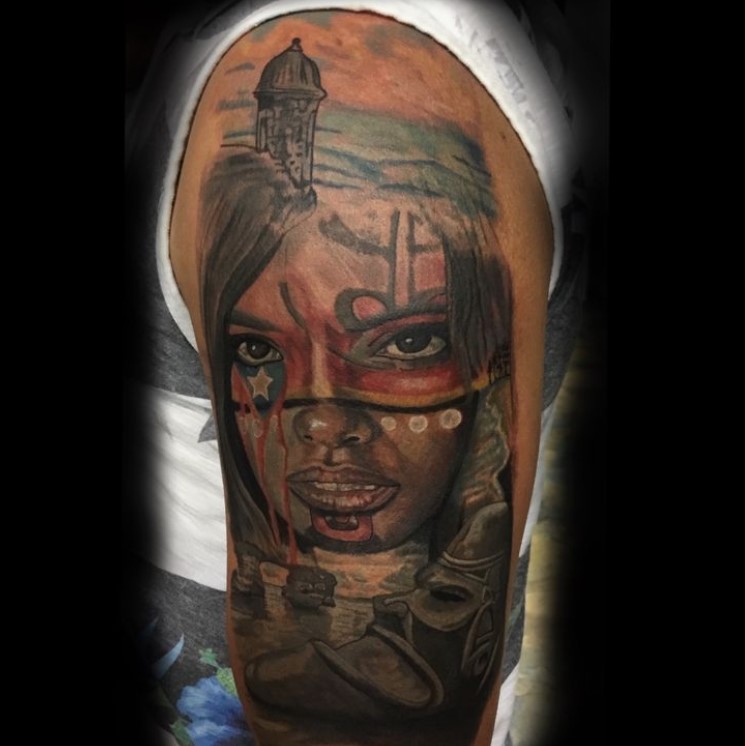
Factors Influencing Tattoo Pricing
The cost of a tattoo can vary widely based on several key factors. Understanding these elements can help you budget appropriately for your desired design.
1. Artist’s Experience and Reputation: The skill level and reputation of the tattoo artist greatly influence pricing. Established artists with a strong portfolio often charge higher rates due to their expertise and demand. Less experienced artists may offer lower prices as they build their portfolios.
2. Tattoo Size and Complexity: Larger and more intricate designs require more time and effort, resulting in higher costs. Simple tattoos may take less time to complete, making them more affordable. Additionally, detailed artwork with shading and color can increase the overall price.
3. Location of the Tattoo Studio: Geographic location plays a significant role in pricing. Studios in major cities or upscale neighborhoods typically have higher overhead costs and may charge more for their services. Conversely, smaller towns or rural areas may offer lower rates.
4. Time Required: Most tattoo artists charge either by the hour or by the piece. If your tattoo requires a lengthy session, this will contribute to a higher overall cost. It’s essential to discuss time estimates with your artist beforehand.
5. Custom vs. Flash Designs: Custom tattoos, which are designed specifically for the client, usually come at a premium price. In contrast, flash designs–pre-made artwork displayed in the studio–are often more affordable since they don’t require additional design time.
6. Aftercare Products: Some studios include aftercare kits in the tattoo price, while others may charge separately. These kits are essential for proper healing and should be considered when calculating the total expense.
7. Studio Reputation and Hygiene Standards: A well-maintained studio that adheres to health regulations may charge more. The importance of safety and hygiene cannot be overstated, as it impacts both the experience and the final outcome of the tattoo.
By taking these factors into account, you can gain a clearer understanding of what influences tattoo pricing and make informed decisions about your tattoo journey.
Average Cost of Small Tattoos
Small tattoos, typically defined as designs measuring less than three inches, are a popular choice for many individuals. The average cost of these tattoos can vary based on several factors, including the artist’s expertise, location, and complexity of the design. Generally, small tattoos range from $50 to $200.
Factors Influencing the Cost
Several elements can affect the pricing of small tattoos:
- Location: Tattoos in urban areas tend to be more expensive due to higher operating costs for tattoo studios.
- Artist’s Experience: Established artists with a strong portfolio may charge more than less experienced tattooists.
- Design Complexity: Intricate designs may require more time and skill, thus increasing the overall price.
Price Breakdown
To provide a clearer picture of tattoo costs, the following table outlines typical pricing based on different factors:
| Factor | Average Cost |
|---|---|
| Basic Design (Simple Black Ink) | $50 – $100 |
| Colorful Design | $100 – $150 |
| Highly Detailed Design | $150 – $200 |
| Location (Urban vs. Rural) | Urban: +$20 – $50 |
| Hourly Rate of Artist | $100 – $250 |
When considering a small tattoo, it is essential to research and discuss pricing with your chosen artist. Many tattoo studios may also offer consultation sessions to provide accurate estimates based on your design ideas.
Price Range for Medium Tattoos
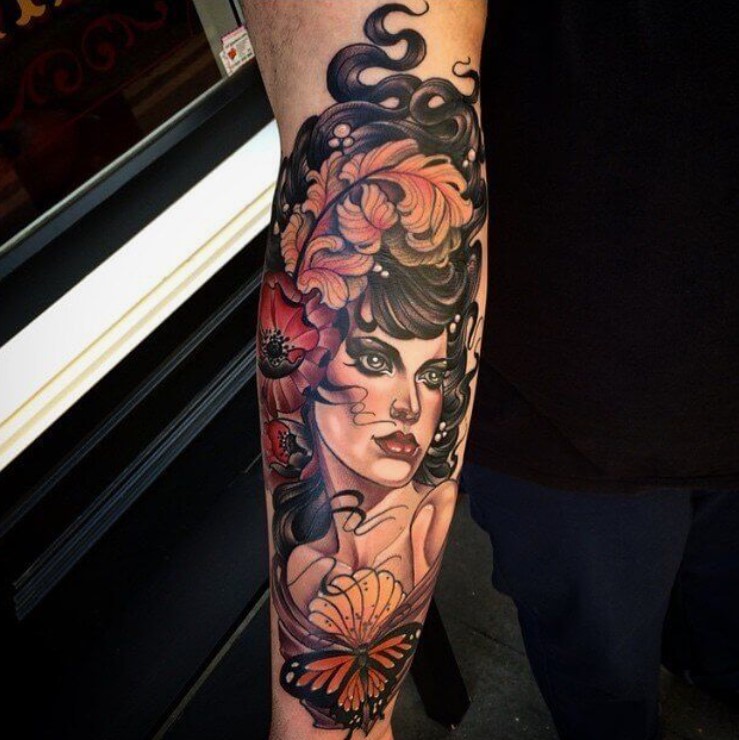
Medium tattoos typically cover an area of approximately 4 to 6 inches and can vary significantly in price based on several factors.
The average cost for medium tattoos generally falls within the following ranges:
- Basic Designs: $150 – $300
- Detailed Designs: $300 – $600
- Custom Artwork: $500 – $1000
Several factors influence the final price:
- Artist Experience: More experienced tattoo artists may charge higher rates due to their skills and reputation.
- Location: Prices may vary based on geographical location; urban areas often have higher costs than rural regions.
- Complexity: Intricate designs requiring more time and detail generally incur higher fees.
- Ink Quality: The type and quality of ink used can impact overall costs, with premium inks often leading to higher prices.
- Studio Reputation: Well-established studios with strong safety practices and customer satisfaction ratings may charge a premium.
In addition to the tattoo’s cost, clients should also consider potential aftercare expenses, which may include ointments and bandages. It’s essential to discuss pricing and any additional fees with the tattoo artist before proceeding with the design to avoid surprises.
Understanding the Cost of Large Tattoos
Large tattoos, often defined as those covering significant areas of skin or requiring several hours to complete, can vary greatly in cost due to several pivotal factors. The size, design complexity, artist’s experience, and location of the tattoo studio all play crucial roles in determining the final price.
Factors Influencing the Cost
One of the primary determinants of cost is the size of the tattoo. Typically measured in square inches, larger tattoos will require more ink and time, directly increasing the pricing. Moreover, intricate designs with detailed shading, vivid colors, or custom artistry necessitate greater skill and longer session times, resulting in higher fees.
The artist’s experience and reputation also significantly influence pricing. Established tattoo artists with a strong portfolio may charge premium rates due to their expertise and unique style. Additionally, geographic location matters; tattoo studios in urban areas usually have higher overhead costs, which can affect how much they charge clients.
Average Pricing and Payment Considerations
Generally, clients can expect to pay between $150 to $300 per hour for large tattoos, depending on the factors mentioned. However, some artists may offer a flat rate for the entire piece, especially if it is a complex design expected to take multiple sessions. It is crucial to clarify pricing details before the tattooing process begins.
Many studios require a deposit that goes toward the total cost, which secures your appointment and compensates the artist for their time in designing the work. Understanding these aspects allows clients to better prepare financially for their desired large tattoo while ensuring they choose an artist that meets their artistic expectations and budget constraints.
Hourly Rates of Tattoo Artists
The pricing structure of tattoo artists typically operates on an hourly basis, varying significantly based on several factors. Generally, the hourly rates for tattoo artists can range from $50 to $300 or more, influenced by location, experience, and the artist’s reputation. In metropolitan areas, where living costs are higher, rates tend to be at the upper end of the scale. Conversely, artists in smaller towns may offer more affordable rates.
Experience and Skill Level
Experienced tattoo artists with a strong portfolio often charge higher rates due to their refined skills and artistic capabilities. Newer artists or those still building their clientele may offer lower prices as they work to establish themselves in the industry. It’s important to note that rates not only reflect the technical skill of the artist but also their unique style and specialization. Custom designs and intricate work typically command higher hourly rates due to the time and effort involved.
Studio Overhead and Reputation
The studio environment also affects pricing. Well-established studios with a solid reputation may charge premium rates, incorporating overhead costs such as rent, utilities, and supplies. Some artists may charge a flat fee for specific designs, while others base their costs on the estimated time required to complete the tattoo. Ultimately, understanding the factors that influence hourly rates can help clients make informed decisions when selecting an artist for their tattoo experience.
Geographical Variations in Tattoo Pricing
The cost of tattoos can vary significantly based on geographical location. Each region has its own economic factors, average income levels, and cultural attitudes towards body art, which all play a role in determining pricing. Understanding these geographical variations can help individuals budget more effectively for their tattoo.
In metropolitan areas, such as New York City or Los Angeles, tattoo prices tend to be higher due to higher living costs and increased demand for skilled artists. Conversely, smaller towns and rural areas often have more affordable pricing. Here’s a comparison of average tattoo costs across different regions:
| Region | Average Cost per Hour | Minimum Price for Small Tattoo | Percentage Increase for Large Tattoo |
|---|---|---|---|
| North America | $150 – $250 | $50 – $150 | 20% – 50% |
| Europe | $100 – $200 | $60 – $120 | 15% – 40% |
| Australia | $120 – $220 | $70 – $130 | 25% – 45% |
| Asia | $30 – $150 | $20 – $80 | 10% – 30% |
In addition to regional differences, factors such as the artist’s reputation, style of tattoo, and shop location within a city can also contribute to the variability in prices. Cities known for their vibrant tattoo culture often command higher rates due to their competitive environment and the presence of renowned artists.
Traveling to different regions for tattoo work can also influence costs. While some may find lower prices in distant locations, one should also consider travel expenses, potential costs for aftercare, and the overall experience of working with a familiar local artist versus an unfamiliar one.
Cost of Custom vs. Flash Tattoos
When considering a tattoo, one of the most significant factors is the cost, which can vary greatly depending on whether you opt for a custom or flash tattoo.
Flash Tattoos
Flash tattoos are pre-designed artworks offered by tattoo shops. They are typically displayed on walls in the studio and are ready for immediate application. Here are key points regarding flash tattoos:
- Pricing: Flash tattoos usually cost less, ranging from $50 to $150, depending on size and complexity.
- Quick Turnaround: Since the designs are pre-existing, you can usually receive your tattoo on the day of your visit.
- Standard Designs: Flash tattoos often feature common motifs, making them popular among those looking for something straightforward.
Custom Tattoos
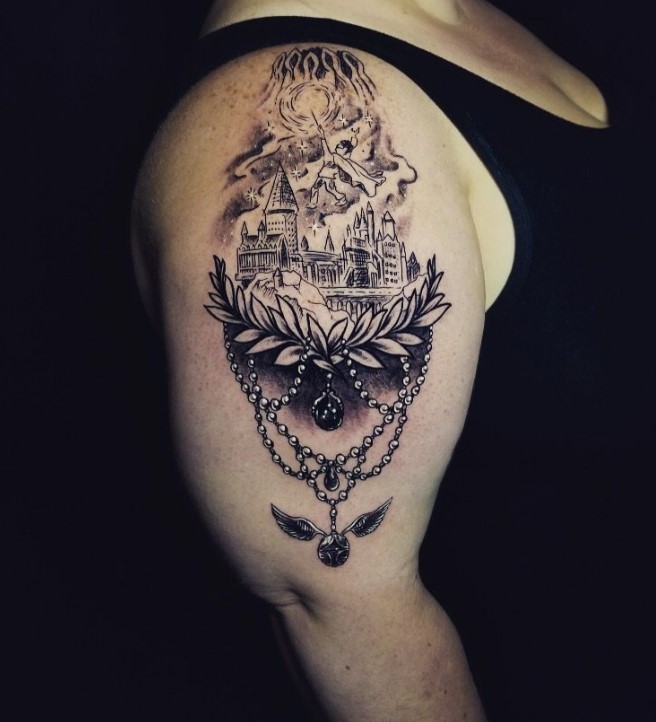
Custom tattoos are unique designs created specifically for an individual. This process can involve consultations and multiple design drafts. Consider the following aspects:
- Pricing: Custom tattoos generally cost more, varying from $100 to several thousand dollars, depending on size, intricacy, and the artist’s reputation.
- Personalization: Custom tattoos allow for a personal touch, making them ideal for those seeking meaningful and unique art.
- Time Investment: The process may take longer, requiring multiple appointments for design development and application.
In conclusion, the choice between custom and flash tattoos depends largely on your budget and personal preferences. Flash tattoos offer affordability and speed, while custom tattoos provide individuality and artistic expression.
Aftercare Expenses to Consider
Aftercare is a crucial aspect of the tattooing process, ensuring that your new ink heals properly and maintains its vibrancy. While the initial cost of the tattoo may capture most of your attention, it’s essential to budget for aftercare products and services as well.
First and foremost, you will need to purchase a good quality aftercare ointment or lotion. These products are specifically formulated to promote healing and reduce the risk of infection. Prices can vary, but you can expect to spend anywhere from $10 to $30 on a suitable product. Popular options include Aquaphor, Hustle Butter, and Tattoo Goo.
In addition to aftercare ointments, some individuals choose to invest in specialized cleansing solutions. These gentle cleansers help keep the tattooed area clean without causing irritation. Prices typically range from $5 to $20, depending on the brand and ingredients.
It’s also wise to have protective coverings, such as plastic wrap or healing bandages, on hand, especially in the first few days after getting the tattoo. These items can cost around $5 to $15 depending on the quality and quantity purchased. They play an essential role in safeguarding the tattoo from dirt and bacteria.
Furthermore, consider the effect of your environment on your tattoo’s healing process. If you live in an area with harsh weather conditions, such as extreme heat or cold, you may need to invest in additional moisturizing products to keep your skin hydrated. This additional expense could amount to $10 to $30.
Lastly, if you experience any complications during the healing process, such as an infection or allergic reaction, you may require medical treatment. This can lead to additional out-of-pocket expenses, which can vary greatly depending on the required care.
In summary, aftercare expenses can add significant costs to your initial tattoo budget. It’s important to set aside funds for the necessary products and potential medical needs to ensure your tattoo heals beautifully and safely.
Tips for Budgeting Your Tattoo
Getting a tattoo is an exciting experience, but it also requires careful financial planning. Here are some essential tips to help you budget effectively for your new body art.
1. Research Tattoo Costs
Before setting a budget, research the average costs of tattoos in your area. Prices can vary significantly based on factors such as the tattoo artist’s experience, the complexity of the design, and the size of the tattoo. Check local studios, read reviews, and look at portfolios to understand pricing trends.
2. Factor in Additional Expenses
When budgeting, remember to include additional expenses such as tips for the artist, aftercare products, and potential touch-ups. Tipping is generally 15-20% of the tattoo cost, which can add up. Aftercare supplies, including ointments and lotions, can also contribute to your overall budget. Plan for these expenses to avoid surprises.
3. Set a Realistic Budget
Determine a realistic budget based on your finances. Consider how much you can comfortably spend without affecting your essential living expenses. It’s often wise to save a bit more than your initial estimate to account for unforeseen costs.
4. Consider Financing Options
If you find that the tattoo you want exceeds your budget, some studios offer financing plans. These options can help spread the cost over time, making it easier to afford a larger piece. Be sure to read the terms carefully to understand any interest or fees involved.
By following these tips, you can effectively budget for your tattoo and ensure a satisfying and enjoyable experience without financial stress.
Hidden Costs Associated with Tattoos
While the upfront cost of getting a tattoo is significant, there are several hidden expenses that can add up over time. It’s essential to consider these factors to fully understand the financial commitment involved.
- Touch-ups Many tattoos require touch-ups after healing, especially if the ink has faded or the lines have blurred. This can incur additional costs ranging from $50 to $200, depending on the size and complexity of the tattoo.
- Aftercare Products Proper aftercare is crucial for healing and maintaining the quality of the tattoo. Purchasing specialized aftercare products, such as ointments and moisturizers, can cost between $20 to $100.
- Cover-ups If you decide to modify or completely cover an existing tattoo, this process can require further investment. Cover-ups often cost more than the original tattoo due to the additional time and skill required by the artist.
- Health Considerations Allergic reactions or infections can occur following a tattoo. Medical treatment for such issues may involve doctor visits and medications, leading to unanticipated costs.
- Travel Expenses If your chosen artist is located far from your home or if you are planning to attend a tattoo convention, consider the travel expenses involved, which can include transportation, accommodation, and food.
- Time Off Work Depending on the placement and size of the tattoo, you might need to take time off work for the procedure and recovery, leading to lost wages.
When planning for a tattoo, it’s important to take these hidden costs into account to avoid any financial surprises down the line. A thorough understanding of all potential expenses will help ensure a positive tattoo experience.
Insurance and Tattoo Expenses
When considering the financial aspects of getting a tattoo, understanding how insurance can influence costs is essential. Most traditional health insurance plans do not cover tattoo expenses since they are usually classified as elective procedures. This means that individuals are typically responsible for the full cost of their tattoos.
There are exceptions, however. Some medical insurances may provide partial coverage for tattooing in specific circumstances, such as tattoos used for medical purposes, like covering scars from surgery or burns. In such cases, documentation from a healthcare professional may be required to substantiate the need for tattooing as a part of treatment.
Another important point to note is that tattoo removal, should it be necessary, often comes with significant costs. Many health insurance plans also do not cover tattoo removal, which can lead to hefty out-of-pocket expenses. Therefore, potential clients should carefully consider their choice of design, placement, and the possibility of future regrets before proceeding.
Additionally, individuals should inquire about any possible insurance coverage options. Some specialized tattoo artists may offer payment plans or financing, allowing clients to manage the expense more effectively. Overall, understanding the relationship between insurance and tattoo expenses is crucial for anyone looking to get inked.
Q&A – How Much Does a Tattoo Cost:
What factors influence the cost of getting a tattoo?
The cost of a tattoo can vary significantly based on several factors. Firstly, the size of the tattoo plays a major role; larger designs typically require more time and ink, resulting in higher costs. Secondly, the complexity of the design is important; intricate details may take longer to complete, which can increase the price. The artist’s skill level and reputation also affect costs; established artists usually charge more for their expertise. Additionally, location matters, as tattoo shops in urban areas often have higher prices compared to those in rural settings. Lastly, the type of ink and materials used can contribute to the overall expense.
How much can I expect to pay for a small tattoo?
The price for a small tattoo can vary, but generally, you can expect to pay anywhere from $50 to $200. This variation depends on the shop’s location, the artist’s experience, and the level of detail in the design. Some artists may have a minimum charge, so even simple designs could start at a higher price. It’s advisable to consult with the artist to get a quote tailored to your specific design.
Are there additional costs involved with getting a tattoo?
Yes, there can be additional costs associated with getting a tattoo. Aftercare products, such as ointments and lotions to promote healing, may be recommended by the artist, which can add to the total expense. Additionally, if you plan on making multiple sessions for a large piece or getting touch-ups in the future, those will incur extra charges as well. Finally, it’s worth considering the possible expense of any travel if you’re seeking a specific artist or shop that’s not local.
Is it possible to find affordable tattoo options without compromising quality?
Yes, it is possible to find affordable tattoo options while still ensuring quality, but it requires some research. Look for reputable artists who may not have as much experience but still produce good work. Many shops offer discounts or promotions, especially for first-time customers. Additionally, considering tattoos during off-peak times or events can lead to better rates. Always prioritize hygiene and the artist’s portfolio; a lower price shouldn’t come at the expense of quality or safety.
Trendy Tattoo Artist in Chicago is not just a title, but a promise that your new piece of art will be stylish, relevant, and executed using the most cutting-edge techniques.


