
How Much Is a Tattoo is a question whose answer can vary significantly based on a multitude of factors. Understanding these factors is essential for anyone considering getting inked. While the tattoo industry has generally become more accessible, pricing still remains variable, influenced by a combination of artistry, location, and personal preference.
One of the primary aspects that affects tattoo pricing is the experience and skill level of the artist. Renowned artists with a strong portfolio and established reputation can command higher fees compared to less experienced practitioners. This is due to the quality, detail, and creativity that come with established skills, which ultimately reflect in the final product.
Another significant factor is the size and complexity of the design. A small, simple tattoo will naturally cost less than a large, intricate piece that requires several hours of work. Detailed designs with multiple colors or shading techniques often entail more time and expertise, leading to increased costs. Additionally, custom designs typically demand a premium since they require more of the artist’s time and effort to create a unique piece tailored to the client’s preferences.
Location also plays a critical role in determining tattoo prices. Tattoo studios in urban areas or regions with a higher cost of living usually have elevated prices compared to those in smaller towns or rural areas. Local market demand for tattoos can further influence pricing, as studios in high-demand areas may charge more due to their popularity.
Ultimately, understanding these factors allows potential clients to make informed decisions about their tattoo investments. Knowing what influences the price can help in choosing the right artist and setting realistic expectations for budget and outcome.

How Much Is a Tattoo: Location of the Tattoo Studio
The location of a tattoo studio plays a crucial role in determining the overall cost of a tattoo. Urban areas tend to have higher living costs, which often translates into higher service prices, including tattoos. Studios situated in major cities typically charge more due to increased rent and operational expenses. Customers in these areas may find their tattoo costs significantly higher compared to those in rural settings.
Market Demand
In addition to operational costs, the demand for tattoos in specific locations greatly influences prices. High-demand areas, where tattoo culture is popular and widely accepted, might see tattoo studios setting premium prices due to the consistent flow of clients. Conversely, in less populated or less tattoo-friendly regions, studios may lower their prices to attract customers, reflecting the localized demand.
Accessibility and Clientele
The accessibility of a tattoo studio also affects its pricing. Studios located in easily accessible areas with high foot traffic can often charge more as they attract spontaneous clients. Moreover, studios that cater to an affluent clientele may implement higher rates, establishing an image of luxury and exclusivity. In contrast, studios aimed at a broader audience may adopt competitive pricing strategies to build a diverse client base.
Experience Level of the Artist
The experience level of a tattoo artist plays a significant role in determining the overall cost of a tattoo. Artists with varying levels of expertise offer different pricing structures based on their skills, reputation, and demand.
Generally, experienced artists who have spent years honing their craft command higher prices due to their refined techniques and deep understanding of tattooing. They often possess extensive portfolios showcasing previous work, which can attract clients willing to pay a premium for their expertise.
In contrast, less experienced artists typically charge lower rates as they are still building their skills and client base. While this may present an opportunity for budget-conscious clients, it is essential to consider the quality of work and potential risks associated with choosing a novice artist.
Below is a table that outlines different experience levels and their corresponding average price ranges:
| Experience Level | Average Price Range (per hour) |
|---|---|
| Novice (0-2 years) | $50 – $100 |
| Intermediate (3-5 years) | $100 – $200 |
| Experienced (6-10 years) | $200 – $350 |
| Master (10+ years) | $350 and up |
Choosing an artist based on their experience level not only affects the cost but also impacts the quality and longevity of the tattoo. Investing in a skilled artist can lead to a more satisfying and enduring result, making it a crucial consideration for prospective clients.
Complexity of the Design
The complexity of a tattoo design significantly influences its overall cost. Intricate designs often require more time and skill from the tattoo artist, resulting in higher prices. Detailed patterns, realistic portraits, or elaborate scenes demand precision and a higher level of artistry, which contributes to the labor involved.
Moreover, the time required to complete a design plays a crucial role. More complex tattoos may take several hours, or even multiple sessions, to finish. Artists typically charge by the hour, so intricate designs can lead to increased expenses as each session accumulates time spent on the artwork.
Another important aspect is the level of detail involved. Fine lines, shading, and color gradients add layers of difficulty that can elevate costs. For example, a simple single-needle tattoo will generally be less expensive than a multi-colored piece with various elements intertwined in a sophisticated manner.
Artists’ expertise also varies. Those who specialize in complex designs may have higher rates due to their experience and mastery in this area. Consumers often seek out these skilled artists, which can further drive up the price of intricate tattoos.
In summary, the complexity of the tattoo design directly affects the cost, with factors such as the level of detail, time required, and the artist’s experience all contributing to the final price. It is essential for individuals to consider these elements when deciding on their desired tattoo to ensure they receive both the quality and artistry they expect.

Size of the Tattoo
The size of a tattoo is one of the most significant factors influencing its cost. Generally, larger tattoos require more time, skill, and resources to complete, leading to a higher price tag. A small tattoo may take only a short period, while a full sleeve or back piece can take several sessions, each with its own associated costs.
Moreover, larger tattoos often necessitate more intricate designs and detail work. This level of complexity can demand skilled artists, who may charge higher rates for their expertise. In contrast, simpler and smaller designs may be available at more affordable prices due to the reduced labor involved.
Additionally, the placement of a tattoo can affect its size requirements. For instance, a design that looks great on a wrist may need to be significantly sized up to fit across the back or thigh, which can lead to increased costs due to the sheer amount of ink and time necessary.
Clients should also consider the longevity of larger tattoos. Bigger designs may require more maintenance to keep them looking vibrant, potentially influencing the overall investment in the tattoo in the long run.
In conclusion, when determining the price of a tattoo, size cannot be overlooked. It plays a crucial role in shaping the pricing structure, reflecting the time, skill, and materials needed to create a piece that meets the client’s vision.
Color vs. Black and Grey Ink
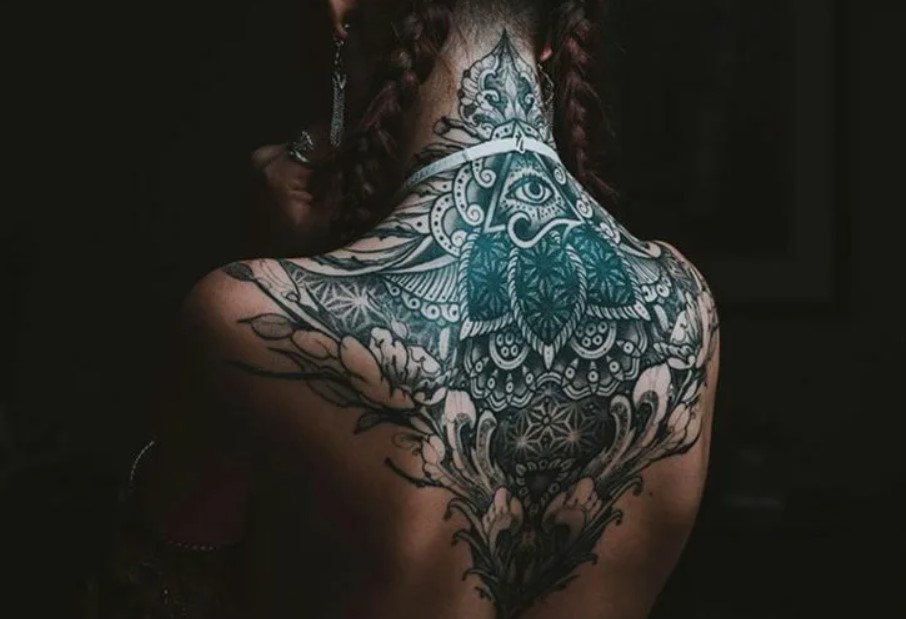
When it comes to tattoos, the choice between color and black and grey ink significantly impacts the overall cost. Color tattoos often require more time, skill, and materials compared to their black and grey counterparts. The range of pigments and the complexity of blending colors can increase the artist’s labor, which often translates to a higher price.
Additionally, the use of multiple colors may necessitate a longer healing time and more sessions to achieve the desired vibrancy, further influencing the final cost. Artists specializing in color work typically command higher fees due to the extra expertise needed to create visually appealing and effective color palettes.
On the other hand, black and grey tattoos can be more cost-effective due to several factors. These designs primarily utilize shading techniques and require fewer color variations, which can reduce the overall time and effort needed for completion. Many artists can execute black and grey tattoos more quickly, resulting in lower financial investment for the client.
However, it is essential to consider that the final price can also depend on the intricacy of the design. Highly detailed black and grey tattoos still demand significant skill and artistry, potentially driving up the cost in those specific scenarios. In conclusion, while color tattoos generally bear a higher price tag due to their complexity and maintenance, black and grey tattoos can offer a more affordable alternative while still delivering stunning visual impact.
Time Required for the Tattoo
The time required to complete a tattoo is a crucial factor that can significantly impact its overall cost. Generally, tattoo artists charge by the hour, so longer sessions will lead to a higher price. Several aspects influence how much time a tattoo will take.
Firstly, the size of the tattoo is a major consideration. Smaller tattoos typically require less time compared to larger pieces, which can take several hours or even multiple sessions to complete. Detailed designs, such as portraits or intricate patterns, necessitate additional time to accurately achieve the desired result.
Secondly, the complexity of the design plays a pivotal role. Simple designs may take less than an hour, while highly detailed artwork may extend over several hours or even days. The artist must invest time in each element of the tattoo, ensuring precision and quality.
The tattoo’s placement on the body can also affect the time required. Areas with more delicate skin or those that are challenging to reach may require a more careful approach, extending the duration of the session. Additionally, an artist’s familiarity with specific body areas can influence how quickly they can work.
Moreover, the need for breaks during long sessions is essential. Both the artist and the client may need to take short pauses, contributing to the total time spent. This consideration is crucial for ensuring comfort and maintaining the quality of the work.
Lastly, factors like the individual artist’s speed and experience level can impact completion time. Experienced tattoo artists may work faster without sacrificing quality, while less experienced artists might take longer to ensure precision and accuracy.
In conclusion, the time required for a tattoo is a multifaceted aspect that varies based on size, complexity, placement, breaks, and the artist’s skill level. Understanding these elements provides a clearer picture of how time influences the overall tattooing process and its associated costs.
Studio Reputation and Cleanliness
When considering getting a tattoo, two crucial factors that significantly affect the price are the studio’s reputation and its cleanliness standards. These elements not only contribute to the overall tattooing experience but also ensure the safety and satisfaction of clients.
Importance of Studio Reputation
The reputation of a tattoo studio is often established through the following:
- Artist Skills: Well-regarded studios typically feature highly skilled artists known for their exceptional work and creativity.
- Client Reviews: Positive feedback and testimonials from previous clients showcase the reliability and quality of the studio.
- Award Recognition: Awards or recognition from tattoo conventions or industry publications can enhance a studio’s status.
- Social Media Presence: A strong and active social media presence demonstrates a studio’s engagement with the community and highlights their work effectively.
Higher reputation often leads to higher demand, which can influence pricing. Clients are generally willing to pay more for the assurance of quality and safety that comes with trusted establishments.
Impact of Cleanliness Standards
Cleanliness is a critical factor that should never be overlooked. A clean studio signals professionalism and a commitment to health and safety:
- Sanitation Practices: Reputable studios maintain strict sanitation protocols, including sterilization of equipment and use of disposable materials.
- Workspace Environment: A tidy and organized workspace reflects the studio’s attention to detail and commitment to client safety.
- Licensed Certifications: Studios that follow health regulations and possess appropriate licenses increase client confidence and justify higher pricing.
Failure to adhere to cleanliness standards can lead to health risks and infections, thus making clients more hesitant and potentially devaluing the overall service provided. Therefore, studios that prioritize hygiene not only enhance their reputation but also often charge premium prices for their services.
Equipment and Supplies Used
The cost of a tattoo can be significantly influenced by the equipment and supplies used in the tattooing process. Different artists and studios may utilize varying types of tools and materials, which can affect the overall price.
- Tattoo Machines: The primary tool for tattooing is the tattoo machine. There are two main types:
- Coil Machines: Often used by traditionalists, coil machines require adjustments and can be more labor-intensive.
- Rotary Machines: Known for their consistency, rotary machines are easier to use and may come at a higher initial cost.
- Needles: The type and configuration of needles also play a crucial role.
- Single Needles: Typically used for fine lines and detailed work.
- Group Needles: Used for shading and filling in larger areas.
- Inks: Quality of ink affects both the vibrancy and longevity of a tattoo.
- Vegan and Organic Inks: Often more expensive but offer safer alternatives and are cruelty-free.
- Standard Inks: They can vary in price based on brand and color.
- Power Supply: Professional power supplies ensure consistent performance.
- Standard Power Supplies: Basic yet effective for everyday use.
- Advanced Power Supplies: Feature digital displays and multiple preset options but cost more.
- Sanitation Supplies: Maintaining hygiene is critical for a safe tattooing experience.
- Gloves: Disposable gloves are essential to prevent cross-contamination.
- Autoclaves: Used for sterilizing equipment, they add to the operational costs.
- Surface Barriers: Plastic wraps and covers protect surfaces and equipment, requiring regular replacement.
- Aftercare Products: Proper aftercare is important for healing and preserving the tattoo.
- Ointments and Lotions: High-quality products can enhance healing but increase overall costs.
- Aftercare Kits: Some artists offer packaged kits as part of their service, which can also impact pricing.
In summary, the diversity and quality of equipment and supplies directly influence tattoo prices. Artists who invest in high-grade materials often charge more, ensuring a better experience and outcome for their clients.
Consultation Fees and Aftercare Products
Consultation fees are an essential factor that can affect the overall cost of a tattoo. Many artists charge a fee for the initial consultation, where clients discuss their ideas, designs, and any specific requirements. This fee typically covers the artist’s time and expertise used to create a custom design tailored to the client’s preferences. The amount can vary significantly based on the artist’s experience and reputation, as well as the complexity of the proposed tattoo. Some artists might include this fee in the final tattoo price, while others list it separately.
Moreover, aftercare products play a crucial role in the tattooing process. Proper aftercare is vital for healing and maintaining the vibrancy of the tattoo. Many tattoo studios recommend specific aftercare products, such as ointments and moisturizers, which can add to the total cost. These products are essential for preventing infections and ensuring the tattoo heals correctly. Clients may also opt to purchase high-quality products recommended by the artist for optimal results, which can further increase expenses.
Additionally, some studios offer aftercare kits that include a range of products necessary for tattoo maintenance, which can be a convenient option for clients. These kits usually feature everything from cleansers to moisturizers, ensuring the client has the essential items for proper care. Understanding both consultation fees and aftercare product costs can help potential tattoo clients budget more effectively and make informed decisions about their tattoo experience.
Local Market Rates and Trends
The cost of a tattoo is significantly influenced by local market rates and trends. Understanding these factors can help potential clients make informed decisions when choosing an artist and design. The following elements play a crucial role in determining tattoo prices in a given area.
Regional Variations
Different regions exhibit distinct pricing patterns for tattoos. Factors contributing to these variations include:
- Cost of Living: In high-cost areas, artists may charge more to offset their operating expenses.
- Competitiveness: In cities with many tattoo shops, prices may be lower due to competition.
- Popularity of Tattoo Culture: Regions where tattoos are highly accepted may see slightly higher prices due to demand.
Current Trends and Styles
Current trends in tattoo art can also impact pricing. Popular styles may command higher rates because of artist specialization. Key trends include:
- Realism: Highly detailed tattoos that require skilled artists often come with a premium price tag.
- Geometric Designs: Intricate geometric tattoos can take more time and skill, influencing cost.
- Traditional vs. Modern: Traditional styles may have established pricing, while modern interpretations may differ based on demand.
Understanding local market rates and staying informed about current trends can empower individuals to navigate the tattoo pricing landscape more effectively. By analyzing these factors, clients can choose artists whose prices align with their budget and preferences.
Legal Regulations and Licensing Costs
The tattoo industry is subject to various legal regulations that can significantly influence the overall cost of getting a tattoo. These regulations vary by region, affecting both artists and clients. Compliance with these laws ensures the safety and hygiene standards in tattoo practices.
Licensing Requirements
Most jurisdictions require tattoo artists to obtain specific licenses or permits before they can legally operate. The licensing process often involves health and safety inspections, which verify that the studio meets local sanitation standards. The costs associated with obtaining these licenses can vary widely based on location and the specific requirements set by local health departments.
| Location | License Cost | Renewal Frequency |
|---|---|---|
| United States (average) | $150 – $1,000 | 1-2 years |
| European Union (average) | €200 – €800 | 2-5 years |
| Australia | AUD 400 – AUD 1,200 | 3 years |
Health and Safety Regulations
In addition to licensing, tattoo studios must also adhere to strict health regulations, including proper sterilization protocols and the use of high-quality inks. These operational costs can influence the pricing structure for clients, as studios that invest in compliance may charge higher prices to cover expenses associated with maintaining standards. Furthermore, studios may need to undertake regular training or certification programs for their artists, adding to the overall costs.
Consequently, both legal regulations and licensing costs play a critical role in determining how much a tattoo will ultimately cost for the client, ensuring not just compliance but also safety and quality in the tattooing experience.
Booking and Cancellation Policies
Understanding the booking and cancellation policies of a tattoo studio is essential for potential clients. These policies not only help in managing appointments effectively but also influence the overall cost of the tattoo. Each studio may have unique rules, so it’s crucial to review them carefully before making a commitment.
Booking Procedures
Usually, clients are required to book appointments in advance, particularly for larger or complex designs. Some studios demand a deposit to secure the booking, which is often deducted from the total cost of the tattoo. This deposit safeguards the artist’s time and ensures that only serious clients commit to the appointment. In addition, some studios may allow walk-ins, but this practice can be more common for smaller designs or touch-ups. It’s advisable to check the studio’s website or call ahead for specific booking requirements.
Cancellation Terms
Cancellation policies are critical in tattoo studios due to the nature of the artistry and time involved. Most studios expect at least 24 to 48 hours’ notice for cancellations or rescheduling. Failing to provide adequate notice may result in losing the deposit or incurring additional fees. Furthermore, repeated cancellations can lead to being blacklisted from future appointments. Therefore, clients should be certain of their decision before booking or be willing to accept the financial implications of any changes in their plans.
Q&A – How Much Is a Tattoo:
What are the primary factors that impact the cost of getting a tattoo?
The cost of a tattoo can be influenced by several key factors. First, the size of the tattoo plays a significant role; larger designs typically require more time and resources, leading to higher prices. Second, the complexity of the design can significantly affect pricing; intricate details or custom artwork usually entail additional labor. Third, the experience and reputation of the tattoo artist can also impact costs, as more established artists often charge premium rates. The location of the tattoo studio is another factor; studios in urban areas may have higher operating costs, which can be reflected in their pricing. Finally, the type and quality of ink and materials used can also contribute to the overall cost of the tattoo.
How does tattoo placement affect its pricing?
Tattoo placement can influence the overall cost in a few ways. Certain areas of the body may be more challenging to tattoo due to their size or sensitivity. For instance, tattoos on the ribs or spine could require more skill and patience, potentially raising the price. Additionally, the visibility of the placement may factor into pricing; tattoos in more discreet areas might be priced differently due to demand or artist expertise. Furthermore, if the area requires special preparation or additional aftercare, this could also lead to a higher overall cost.
Are there any additional fees I should expect beyond the base price of a tattoo?
Yes, when getting a tattoo, you may encounter several extra fees beyond the base price. Some artists charge for consultation, especially if you’re seeking a personalized design. Additionally, there may be costs associated with aftercare products, such as ointments or bandages, which some studios recommend. If you’re requesting a touch-up after the tattoo has healed, this could also come with its own fee. Furthermore, if your tattoo requires more setup time or equipment than originally estimated, expect that to be reflected in the final cost as well.
Do certain styles of tattoos cost more than others?
Certain styles of tattoos indeed come with different price points. For example, realism and detailed portraits often require a high level of skill and time investment, making them more expensive than simpler designs like outlines or basic symbols. Styles such as watercolor or intricate geometric designs might also increase costs due to their complexity and the artist’s expertise required. Additionally, trends and popularity can influence prices; if a style is currently in high demand, artists might charge more due to the increased workload. However, this can also vary from one artist to another, depending on their specific skills.
How can I find a tattoo artist who aligns with my budget?
Finding a tattoo artist that fits your budget involves a few strategic steps. Start by researching local shops and looking at their portfolios online; many artists have websites or social media pages showcasing their work. This will allow you to gauge their style and determine if it aligns with what you’re looking to get, which is essential before contacting them about pricing. Next, consider reaching out for consultations; many artists will discuss pricing options and can provide estimates based on your design and placement. Be upfront about your budget, as some artists may be willing to work with you to create a design that fits within your financial limits. Lastly, don’t forget to check online reviews and recommendations to find artists who balance quality with affordability.
What are the primary factors that determine the cost of a tattoo?
The cost of a tattoo can be influenced by several key factors. Firstly, the artist’s experience and reputation play a significant role. Skilled artists with a strong portfolio tend to charge more due to their expertise. Secondly, the size and complexity of the design affect the price. Larger and more intricate tattoos require more time and effort, leading to higher costs. Additionally, the location of the tattoo shop can impact pricing; shops in urban areas might have higher overheads, which can be reflected in their prices. Lastly, the type of ink and materials used can also add to the overall cost, as some inks are more expensive or require special techniques for application.
How does the location of the tattoo studio affect tattoo pricing?
The location of the tattoo studio is a significant factor in determining tattoo prices. Studios situated in metropolitan areas tend to have higher rents and operational costs, which can lead to increased pricing for customers. This is often seen in larger cities where the demand for tattoos is high, allowing artists to charge a premium. Conversely, studios in smaller towns may have lower prices due to reduced overhead costs and possibly less competition. Additionally, the local market’s average tattoo prices can influence how much artists charge. If a town has only a few studios, prices might be higher, while in an area with numerous talented artists, prices could be more competitive, potentially benefiting the consumer.
Trendy Tattoo Artist in Chicago is not just a title, but a promise that your new piece of art will be stylish, relevant, and executed using the most cutting-edge techniques.


