
Custom Tattoos allow you to express your individuality and create a lasting piece of art that reflects your identity, experiences, or beliefs, making the decision to get a tattoo a significant one that often involves thoughtful consideration and a desire for something deeply personal. However, commissioning a high-quality custom tattoo requires more than just visiting a shop; it entails a clear understanding of the process, communication with the artist, and an appreciation of their craft.
First and foremost, research is crucial in finding the right tattoo artist. Different artists have distinct styles, techniques, and specializations. Whether you are drawn to traditional, neo-traditional, watercolor, or realism, familiarize yourself with various artists and their portfolios. High-quality tattoos are characterized not only by artistry but also by adherence to hygiene and safety standards. Ensure that the artist operates in a clean, regulated environment.
Once you have identified potential artists, the next step is to engage in meaningful conversations. Clearly articulate your vision and ideas, providing as much detail as possible about the design and placement. Be open to the artist’s suggestions and feedback; their expertise can lead to a more refined concept. Remember that a great tattoo is a collaboration, blending your vision with the professional’s artistic insight.
Lastly, understand that commissioning a custom tattoo is an investment of both time and money. Quality artwork often takes time to create, and a reputable artist will take the necessary steps to ensure that every detail is perfect. Patience is key in this process, as rushing can lead to an unsatisfactory result. By following these guidelines, you can ensure that your custom tattoo experience is rewarding and yields a remarkable piece of art that you will cherish for years to come.
Researching Tattoo Artists and Their Styles
When it comes to commissioning a high-quality custom tattoo, thorough research into tattoo artists and their specific styles is essential. Understanding the unique characteristics of various styles will help you find an artist who aligns with your vision.
Start by identifying the type of tattoo design you want. Familiarize yourself with the following popular styles:
- Traditional: Features bold outlines and vibrant colors, often depicting classic imagery such as roses, skulls, and eagles.
- New School: Known for exaggerated features, bright colors, and cartoon-like designs often incorporating storytelling elements.
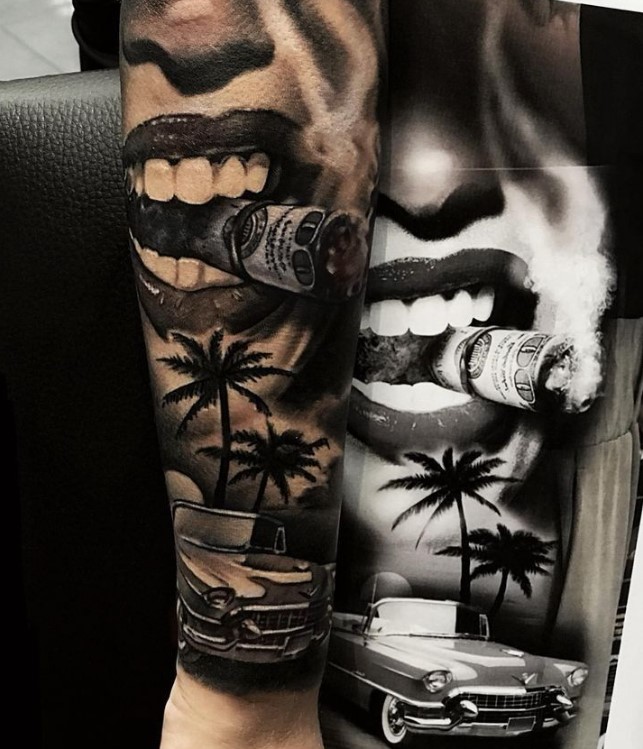
- Realism: Focuses on detailed representation of subjects, making tattoos look like photographs or lifelike images.
- Watercolor: Mimics the effect of watercolor paintings, with splashes of color and a less defined outline.
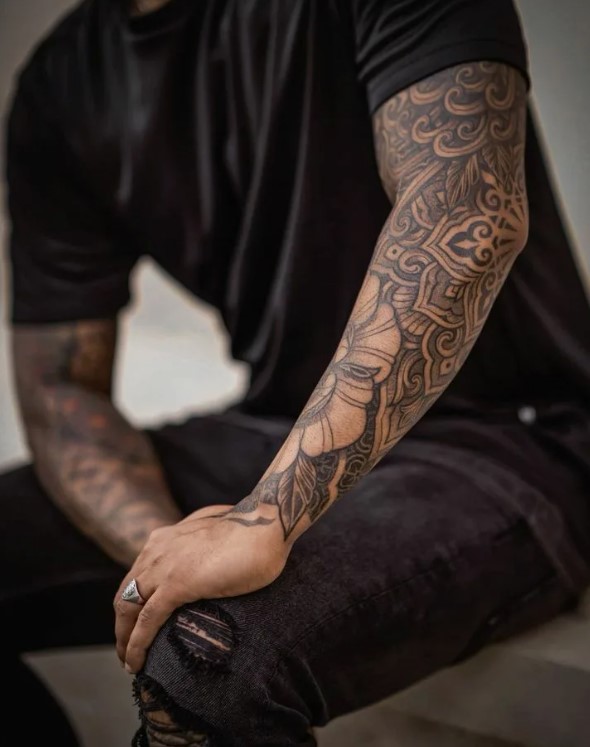
- Geometric: Uses shapes and patterns to create intricate designs that convey a sense of balance and symmetry.
- Japanese: Rich in symbolism and often features motifs like koi fish, cherry blossoms, and waves, using bold lines and bright colors.
Once you determine the style you prefer, begin researching artists who specialize in that area. Here are some strategies to find the right tattoo artist:
- Online Portfolios: Review artists’ websites or social media profiles to examine their portfolios. Look for consistent quality, creativity, and a body of work that resonates with your preferences.
- Client Reviews: Read reviews and testimonials from previous clients to gauge their experiences. Pay attention to comments about the artist’s professionalism, cleanliness, and ability to bring ideas to life.
- Local Shops: Visit tattoo studios in your area. Many artists have portfolios displayed in the shop, allowing you to see their work up close and meet them in person.
- Art Conventions: Attend tattoo conventions where artists showcase their skills. It’s an excellent opportunity to see their work, watch them tattoo live, and ask questions directly.
After narrowing down potential artists, reach out to them. Discuss your ideas, inspiration, and any specific requirements. A good artist will be open to collaboration and provide insights on design, placement, and size.
Assess their communication style and responsiveness, as a positive rapport can lead to a smoother commissioning process. Ultimately, investing time in researching tattoo artists and their styles will lead to a satisfying and rewarding tattoo experience.
Understanding the Tattoo Design Process
The tattoo design process is a collaborative journey between the client and the tattoo artist. It involves several stages that ensure the final design is both personal and artistically polished. The first step is establishing clear communication. This includes discussing ideas, inspiration, and the meaning behind the desired tattoo. Clients should come prepared with references, such as images or sketches, to convey their vision effectively.
Concept Development
Once ideas are shared, the tattoo artist will begin the concept development phase. This involves translating verbal ideas into visual sketches. Artists often utilize their style and expertise to enhance the client’s vision, which may include suggesting adjustments for better flow, size, or placement on the body. This stage may result in multiple iterations of the design, allowing clients to provide feedback and request changes. Effective collaboration during this phase ensures that the design captures the intended message while being artistically compelling.
Final Design Approval
After several rounds of sketching and revisions, the final design is created. Before scheduling the tattoo appointment, it is crucial for clients to review the design thoroughly to ensure it meets their expectations. Artists may present the design digitally or as a printed piece, allowing clients to visualize the tattoo on their skin. Upon approval, the artist will prepare for the tattooing process, including selecting appropriate materials and planning the session’s duration. This thorough approach guarantees a high-quality custom tattoo that resonates with the client’s personal journey.
Choosing the Right Tattoo Placement on Your Body
Finding the ideal location for your tattoo is as crucial as the design itself. The placement can influence not only the tattoo’s visibility but also its meaning and the experience you’ll have during the process. Consider the following factors when deciding where to get inked.
Visibility and Personal Preference
Assess how visible you want your tattoo to be. If you prefer a tattoo that is easily covered or concealed, consider areas like the upper thigh, back, or the inside of the wrist. Conversely, if you wish for your art to be prominently displayed, popular locations include the forearm, bicep, or even the neck. Remember that each location carries different perceptions in social and professional environments, so think about how much exposure feels comfortable for you.
Pain Levels and Body Sensitivity
Tattoo pain varies by location due to the density of nerve endings and proximity to bone. Areas with more flesh, such as the upper arm or thigh, typically experience less discomfort compared to bony regions like the ribs or spine. If you have a low pain tolerance, opt for fleshier areas. Researching pain levels associated with different placements will help you prepare for the experience. Additionally, consider how your body might change over time; tattoos on areas prone to weight fluctuations may stretch or distort.
Ultimately, the right tattoo placement is a balance of personal significance, aesthetic desire, and comfort. Take your time to reflect on how and where you want your tattoo to exist on your body for years to come.
Developing Your Tattoo Concept Clearly
Creating a meaningful and visually appealing tattoo begins with a well-defined concept. This stage is crucial, as it lays the foundation for the entire design process. Start by reflecting on what you want the tattoo to represent. Consider personal experiences, profound beliefs, or significant symbols that resonate with you. Jot down your thoughts and feelings, as this will help you clarify your vision.
Research and Inspiration
Once you have a basic idea, delve into research. Look for inspiration in art, nature, culture, or mythology. Explore tattoo styles that resonate with your concept, whether it’s traditional, realistic, or abstract. Websites like Pinterest, tattoo artist portfolios, and social media platforms can be valuable resources. Collect images that align with your vision and showcase elements you find captivating.
Define Specific Elements
After gathering inspiration, start to define specific elements that you want in your tattoo. This includes choosing symbols, colors, and styles that speak to your concept. Be precise about size and placement on your body, as this can significantly affect the overall look. Clearly articulate these details to your tattoo artist, as it will help them translate your ideas into a coherent design.
By developing your tattoo concept clearly, you pave the way for a successful collaboration with your artist. Taking the time to reflect, research, and specify your ideas ensures that the final piece will be a true reflection of your individuality and story.
Setting a Realistic Budget for Custom Tattoos
When considering a custom tattoo, establishing a budget is a crucial step. Tattoos are not only an expression of art but also an investment in your body and personal story. Here are some key factors to consider when setting a realistic budget.
Understanding Tattoo Pricing
Prices for custom tattoos can vary widely based on several elements:
- Artist’s Experience: Renowned artists or those with extensive portfolios may charge higher rates due to their skill and reputation.
- Design Complexity: Intricate designs with fine details typically require more time and may cost more than simple tattoos.
- Location of the Studio: Tattoo prices can vary depending on the geographic area. Studios in cities with a higher cost of living often charge more.
- Size of the Tattoo: Larger tattoos require more time and materials, leading to higher costs.
Budgeting for Your Tattoo
To create a realistic budget, follow these steps:
- Research Artists: Look for local tattoo artists, review their portfolios, and check for pricing on their websites. Contact them for quotes based on your desired design.
- Determine Your Price Range: Based on your research, establish a budget that reflects the quality and experience you seek. Consider a range, as prices may vary between artists.
- Factor in Additional Costs: Include potential costs for touch-ups, aftercare products, and tips for the artist, which are generally 15-20% of the total price.
- Save Over Time: If your ideal tattoo exceeds your current budget, consider saving over time instead of rushing into a decision. This ensures you can afford the design and artist you truly desire.
By carefully considering these factors, you can set a budget that aligns with your needs and ensures a satisfying experience when commissioning your custom tattoo.
Scheduling Consultations with Tattoo Artists
Scheduling a consultation with a tattoo artist is a crucial step in ensuring that you get the design and execution you desire. A consultation allows you to communicate your ideas, discuss the feasibility of your vision, and establish a rapport with the artist. Here’s how to effectively schedule and prepare for your consultation.
Steps to Schedule a Consultation
1. Research Artists: Start by identifying tattoo artists whose work aligns with your vision. Look at their portfolios and read reviews to ensure they have a style you appreciate.
2. Contact the Studio: Reach out to the tattoo studio through their official website, email, or social media. Many studios have specific procedures for consultations, so follow their guidelines.
3. Propose Times: When contacting the artist, suggest a few times that work for you, while being flexible to accommodate their schedule. Artists often have limited availability, so being open-minded can help secure an appointment sooner.
4. Confirmation: Once you agree on a time, ensure you receive a confirmation. This may include a reminder message the day before the appointment, helping to avoid any scheduling conflicts.
Preparing for Your Consultation
Preparation is key for a productive consultation. Here are some essential tips:
| Preparation Step | Description |
|---|---|
| Gather Inspiration | Bring images or sketches that reflect the style and elements you want in your tattoo. This helps the artist understand your vision clearly. |
| Know Your Budget | Be upfront about your budget. This allows the artist to suggest designs and modifications that align with your financial limits. |
| Consider Placement | Think about where on your body you want the tattoo. This can affect the design size and details, so have a few placement ideas ready. |
| List Questions | Prepare questions regarding aftercare, the tattooing process, and the artist’s experience. Having these ready will ensure you cover all necessary topics. |
Ultimately, scheduling a consultation is about establishing a collaborative process with your tattoo artist. Take the time to prepare adequately, and you will set the stage for a successful tattoo experience.
Communicating Your Ideas and Preferences Effectively
Effective communication is essential when commissioning a custom tattoo. Clearly expressing your vision, preferences, and any specific details can greatly enhance the artist’s understanding and ensure a successful collaboration. Start by gathering inspiration from various sources, such as tattoo portfolios, social media, or art websites. This will help you articulate your ideas more vividly.
Organizing Your Thoughts
Before meeting with your tattoo artist, take time to organize your thoughts. Write down the key elements you want in your tattoo, including themes, colors, styles, and placement on your body. Creating a mood board or a collection of images that resonate with your vision can provide visual references for your artist, making it easier for them to capture your desired outcome.
Engaging in Dialogue
Once you meet with your tattoo artist, engage in an open dialogue. Be willing to discuss your ideas in detail, explaining the meaning behind your tattoo concept if it holds significance for you. Listen to your artist’s feedback and suggestions, as they can offer valuable insights based on their experience. A collaborative approach fosters a better understanding and helps refine your vision into a tattoo design that suits both your preferences and the artist’s style.

Reviewing Tattoo Portfolios and Client Feedback
When commissioning a custom tattoo, assessing an artist’s portfolio is crucial. A tattoo artist’s portfolio showcases their style, skill level, and versatility. It provides insight into the techniques they use and their ability to execute different design elements. Pay close attention to the following aspects while reviewing portfolios:
Artistic Style and Consistency
Artists have unique styles that reflect their personal aesthetics. Choose an artist whose portfolio resonates with your vision for the tattoo. Look for consistency in execution across their works. A well-rounded portfolio should display a range of projects, from intricate line work to vibrant colors. Consider the following:
| Aspect | What to Look For |
|---|---|
| Style | Illustrative, Traditional, Realistic, Abstract, etc. |
| Technique | Linework quality, color application, shading |
| Variety | Diversity in subject matter and tattoo sizes |
Client Feedback and Testimonials
In addition to visual aesthetics, client feedback can provide valuable information. Testimonials can give insight into the artist’s professionalism, communication skills, and overall client satisfaction. Look for feedback that highlights the following:
- Responsiveness: How promptly does the artist respond to inquiries?
- Collaboration: Are they willing to work with clients to refine designs?
- Aftercare Instructions: Do they provide clear aftercare guidelines to ensure tattoo healing?
Social media platforms and tattoo-specific review sites are great resources for gathering feedback. Look for patterns in the reviews, such as recurring praises or criticisms. A tattoo artist with consistently positive feedback is often a safer choice for commissioning your custom tattoo.
Discussing Tattoo Aftercare with Your Artist
Aftercare is a critical aspect of the tattoo process that should not be overlooked. It is essential to engage in a thorough discussion with your artist about the specific aftercare instructions tailored to your new tattoo. Each tattoo can have unique healing requirements based on its size, location, and the techniques used during application.
Key Aftercare Questions to Ask
Begin by inquiring about the recommended cleaning methods. Your artist can advise you on the best products to use, such as gentle soaps that do not irritate the skin. Ask about how often to clean the tattoo and when to transition from cleansing to moisturizing products. It’s also wise to discuss the type of ointments or lotions that are suitable for healing, as some products may be too heavy or contain irritants.
It’s important to clarify the signs of an infection or poor healing. Understanding what symptoms to look for can help you take action quickly. Ensure you know how long the healing process typically takes and when you can expect your tattoo to flake or peel. This information will help you set realistic expectations and care for your new artwork effectively.
Follow-Up Care and Touch-Ups
Discuss the importance of follow-up care with your artist. Some tattoos may require touch-ups after the initial healing period. Understanding their policy on touch-ups, including any associated costs and timelines, will help you maintain the quality of your tattoo. Additionally, ask about long-term care to preserve the vibrancy of the ink and to maintain the integrity of the design over time, as sun exposure and skin care products can affect appearance.
By having an open conversation about aftercare with your tattoo artist, you can ensure that your new tattoo heals beautifully and remains a source of pride for years to come.
Preparing for Your Tattoo Appointment Day
Preparing for your tattoo appointment is crucial to ensure a smooth and enjoyable experience. Proper planning helps both you and the artist achieve the desired outcome. Here are key steps to take before your appointment day.
1. Confirm Your Appointment
Reach out to your tattoo artist a few days before the appointment to confirm the time and location. This is also a good opportunity to discuss any last-minute changes to your design or placement.
2. Gather Necessary Items
Make sure to prepare the following items:
- A valid ID, if required by the tattoo studio.
- Any reference images or sketches that will assist the artist.
- A comfortable outfit that allows easy access to the tattoo area.
- A written list of questions or concerns to discuss with the artist.
3. Pre-Appointment Care
Taking care of your body is important leading up to the appointment:
- Stay hydrated to keep your skin healthy.
- Avoid alcohol and blood-thinning medications for at least 24 hours prior to the appointment.
- Get a good night’s sleep before the day of your tattoo.
4. Plan for Pain Management
Understand your pain tolerance and prepare accordingly. Consider the following:
- Bring a distraction such as headphones and music to help with anxiety.
- Ask your artist about numbing creams if you are particularly sensitive.
5. Dietary Considerations
Eat a balanced meal before your appointment:
- Include protein to help maintain energy levels.
- Avoid excessive caffeine, as it may increase anxiety or sensitivity.
By following these steps, you will be better prepared for your tattoo appointment, making it a more enjoyable and successful experience. Go in with a clear mind, and trust your artist to bring your vision to life.
Knowing What to Expect During the Tattoo Session
Understanding what to expect during your tattoo session can significantly enhance the overall experience. Firstly, arrive at the studio a bit early to fill out any necessary paperwork and to discuss final details with your tattoo artist. This is the time to clarify any last-minute questions about the design, placement, and size of the tattoo.
Once the paperwork is complete, your artist will prepare the workspace and set up their equipment. Sterilization is critical, and you should observe that all tools are sanitized and that gloves are worn to maintain hygiene standards. Do not hesitate to ask your artist about their sterilization processes if you’re unsure.
Next, your artist will apply the stencil of your design to your skin. This step is essential as it outlines where the tattoo will go, allowing you to visualize the placement. If you’re not satisfied, this is the time to make adjustments before the actual tattooing begins.
When the tattooing starts, the sensation can vary depending on the area being tattooed. Some areas are more sensitive than others, and while many find the experience tolerable, it can be uncomfortable. It’s advisable to stay relaxed during the session, focusing on your breathing to help manage any discomfort.
Most sessions will involve taking breaks, especially for larger pieces. These breaks allow you to stretch, hydrate, and evaluate your comfort level with the ongoing process. Your artist will typically check in with you throughout the session to ensure you are doing okay.
Once the tattoo is complete, your artist will clean the area and apply a bandage or ointment. Follow their aftercare instructions carefully to ensure proper healing. Expect a follow-up conversation about when to return for touch-ups if needed, as well as specific aftercare guidelines to maintain the tattoo’s quality over time.
By understanding these steps, you can prepare yourself mentally and physically for the tattoo session, ensuring that it goes as smoothly as possible.
Following Up After the Tattoo is Completed
After your tattoo is completed, it is essential to follow up to ensure proper healing and satisfaction with the final result. Start by adhering to the aftercare instructions provided by your tattoo artist. This is crucial for preventing infections and ensuring that the colors remain vibrant and the design stays intact.
Reach out to your tattoo artist within a week after the session. Express your gratitude and share your initial thoughts about the tattoo. This feedback can help the artist understand your experience and improve future work.
Monitor the healing process closely. If you notice any unusual changes, such as excessive redness, swelling, or prolonged pain, contact your tattoo artist or a medical professional immediately. They can offer guidance on how to remedy potential issues.
Once the tattoo is fully healed, consider scheduling a follow-up appointment for any touch-ups if needed. This is especially important for intricate designs that require precision. Discuss any adjustments with your artist to achieve the desired look.
Lastly, share your new tattoo on social media and tag your artist. This not only promotes their work but also creates a sense of community among tattoo enthusiasts. Engaging with your artist and others who appreciate tattoo art can enrich your experience and potentially lead to future collaborations.
Q&A – Custom Tattoos:
What should I consider when choosing a tattoo artist for a custom design?
When selecting a tattoo artist for a custom design, it’s important to review their portfolio to assess their style and skills. Look for examples of their previous work that align with your vision. Consider the artist’s experience, as well as customer reviews and testimonials. Additionally, ensure the shop maintains high hygiene standards and follows local regulations. The artist’s ability to communicate effectively and their willingness to collaborate on your design are also key factors in your decision-making process.
How can I ensure that my custom tattoo idea is executed correctly?
To ensure that your custom tattoo idea is executed correctly, start by having a clear concept of what you want. Provide your artist with reference images, sketches, or descriptions to illustrate your vision. Open communication is critical; discuss the design, size, placement, and colors in detail during your consultation. Be open to the artist’s suggestions, as they can offer valuable insights based on their experience. Finally, request a stencil of the tattoo before it is applied, allowing you to visualize the design on your skin and make any last-minute adjustments.
What are the common mistakes people make when commissioning a tattoo?
Common mistakes when commissioning a tattoo include not doing enough research on the artist’s previous work, neglecting to ask about the design process, and failing to communicate specific preferences. Some individuals may rush the decision, choosing an artist quickly without considering their suitability for the desired style. Others might overlook the importance of hygiene and cleanliness in the tattoo studio. Taking the time to address these factors can lead to a more satisfying outcome.
How can I make sure my tattoo design is unique and personal to me?
To create a unique and personal tattoo design, begin by reflecting on your interests, experiences, and values. Think about symbols, imagery, or quotes that resonate with you. Collaborate with your tattoo artist to combine elements that hold personal significance while integrating their artistic style. Don’t hesitate to share your story with the artist, as this can inspire them to craft a design that truly represents you. Customization can also involve altering existing designs to make them your own, ensuring the final tattoo is one-of-a-kind.
Trendy Tattoo Artist in Chicago is not just a title, but a promise that your new piece of art will be stylish, relevant, and executed using the most cutting-edge techniques.


