

Finding a qualified Japanese tattoo artist can be a rewarding yet challenging endeavor, especially if you are passionate about this art form. Japanese tattoos, or irezumi, are renowned for their rich history, intricate designs, and deep cultural significance. It is crucial to choose an artist who not only possesses technical expertise but also understands the profound meanings behind traditional Japanese motifs. To ensure a satisfactory and authentic tattoo experience, it’s essential to conduct thorough research and approach the selection process with careful consideration.
Start by exploring local studios and artists who specialize in Japanese-style tattoos. Look for online portfolios showcasing their work, paying close attention to the quality, precision, and attention to detail in their designs. A qualified artist should demonstrate a strong understanding of traditional techniques as well as modern adaptations. Additionally, seeking recommendations from friends or online communities can provide valuable insights into the artists’ reputations and customer experiences.
Once you narrow down your options, schedule consultations with potential artists. This is an opportunity to discuss your ideas, understand their creative process, and gauge their knowledge of Japanese tattoo culture. During these meetings, consider factors like communication style, comfort level, and the artist’s willingness to collaborate on your design. Remember that a qualified Japanese tattoo artist will not only bring your vision to life but will also respect and honor the cultural significance that underlies the art.
Understanding the Styles of Japanese Tattoos
Japanese tattoos, known as “irezumi,” are rich in history and symbolism, reflecting various cultural aspects of Japan. Understanding the distinct styles of Japanese tattoos can help you communicate your preferences to a tattoo artist and ensure that you get a piece that resonates with you.
Traditional Irezumi
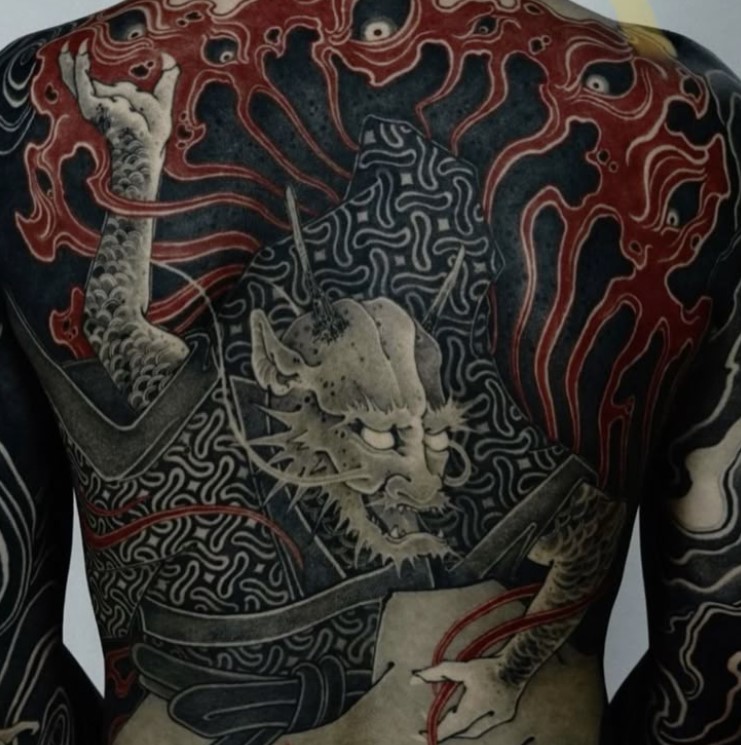
Traditional irezumi is characterized by large, detailed designs that often cover significant portions of the body. This style typically includes motifs such as koi fish, dragons, cherry blossoms, and skulls, each with its own meaning. For instance, koi fish represent perseverance and strength, while dragons signify wisdom and protection. The intricate line work and vibrant colors used in traditional irezumi require skilled craftsmanship, which is why finding a qualified tattoo artist is essential. The focus is on creating a cohesive narrative across the body, with designs flowing naturally together.
Modern Japanese Tattoos
Modern Japanese tattoos sometimes adapt traditional elements while incorporating contemporary influences. These tattoos may use simplified designs and bolder colors but still draw on traditional motifs. Artists often blend irezumi with styles such as realism or neo-traditional, showcasing their creativity while respecting cultural heritage. The modern approach allows for customization and personal expression, appealing to a new generation of tattoo enthusiasts. Nonetheless, it is crucial to find an artist who understands the historical roots of these designs to ensure cultural integrity is maintained.
Researching Local Tattoo Studios Specializing in Japanese Art
Finding a qualified tattoo artist who specializes in Japanese art can significantly enhance your tattoo experience. Japanese tattoos, known for their intricate designs and traditional techniques, require an artist skilled in these styles. Follow these steps to research local tattoo studios effectively.
Start by considering the following factors:
- Online Reviews and Ratings: Platforms such as Yelp, Google Reviews, and Instagram can provide insight into customers’ experiences. Look for artists with consistently high ratings and positive feedback.
- Portfolio Evaluation: Check the tattoo studio’s website or social media pages for portfolios. Focus on the quality of their Japanese art adaptations, including elements like koi fish, cherry blossoms, and other culturally significant motifs.
- Artist Background: Research the artist’s experience and training in Japanese tattooing. Look for information about their apprenticeship and any specialized courses they may have taken.
Further refine your search by considering the following:
- Local Recommendations: Ask friends or acquaintances for recommendations. Personal referrals can often lead to discovering hidden gems.
- Attend Tattoo Conventions: Visit tattoo conventions in your area. These events allow you to meet artists directly, view their work firsthand, and discuss their styles and techniques.
- Consultation Meetings: Schedule consultations with potential artists to discuss your ideas. Gauge their understanding of Japanese tattoo culture and their ability to bring your vision to life.
In addition to specific artists, evaluate the overall environment of the studio:
- Cleanliness and Safety: Ensure the studio follows hygiene protocols and maintains a clean workspace.
- Professionalism: Observe the staff’s professionalism. Friendly, knowledgeable artists are more likely to create a comfortable experience.
- Artistic Collaboration: Seek a studio that encourages collaboration between the artist and client, allowing for personalization of your tattoo design.
By conducting thorough research, you can find a tattoo studio that not only specializes in Japanese art but also aligns with your aesthetic preferences and ensures a satisfactory tattooing journey.
Checking Artist Portfolios for Authenticity and Skills
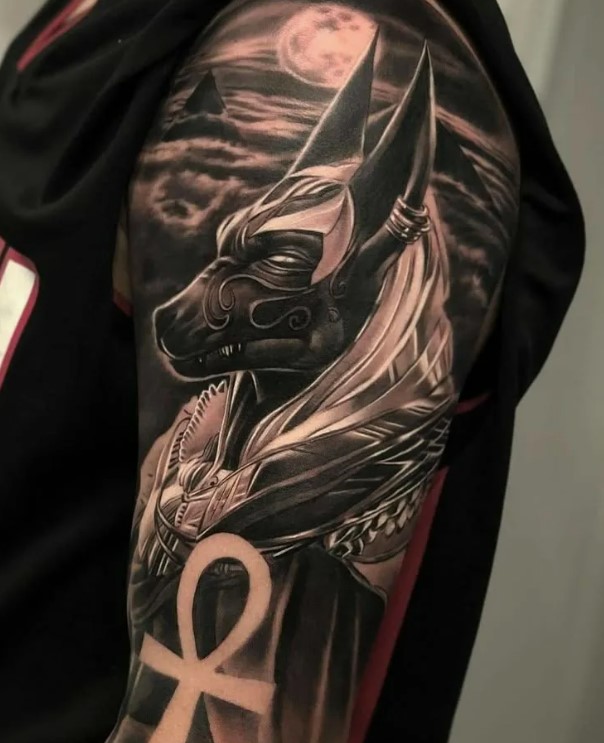
When searching for a qualified Japanese tattoo artist, examining their portfolio is crucial. A portfolio serves as a visual resume, showcasing the artist’s style, technique, and the range of their work. Start by looking for consistency in their designs. Authentic artists often have a distinct style that is evident in multiple pieces, which can indicate mastery of specific techniques.
Evaluate the Quality of Work
Assess the quality of the tattoos displayed in the portfolio. Look for clarity in line work, color saturation, and overall finish. High-quality tattoos should appear clean and well-executed, demonstrating the artist’s skills and attention to detail. Pay attention to healed tattoos; they should maintain their vibrancy and not show excessive fading or distortion.
Research Cultural Representation
Authenticity in Japanese tattoos extends beyond technique to cultural representation. Ensure that the designs are respectful and aligned with traditional Japanese tattoo art, including elements such as motifs, symbolism, and placement. A knowledgeable artist will provide context for their designs, and feedback from fellow enthusiasts can further validate their expertise. Engaging with the artist about their inspirations and techniques can also help gauge their authenticity and commitment to the craft.
Reading Reviews and Testimonials from Previous Clients
When searching for a qualified Japanese tattoo artist, one of the best resources at your disposal is the reviews and testimonials from previous clients. Reading firsthand accounts can provide invaluable insight into the artist’s skills, professionalism, and overall client experience.
Importance of Client Feedback
Client feedback serves multiple purposes. It enables potential customers to gauge an artist’s proficiency in Japanese tattooing techniques, such as calligraphy and traditional imagery. Additionally, reviews often reveal how well the artist communicates with clients regarding design ideas, pain management, and aftercare instructions. A consistent pattern of positive reviews can indicate reliability and quality.
Where to Find Reviews
There are several platforms where you can find genuine reviews. Social media pages, tattoo forums, and specialized review websites are great starting points. Here’s a quick overview of where to look:
| Platform | Description |
|---|---|
| Google Reviews | Offers a broad spectrum of client experiences and is easy to search by location. |
| Yelp | A platform specifically designed for service reviews; great for detailed testimonials. |
| Many artists showcase their work and client feedback in comment sections. | |
| Facebook Groups | Local tattoo communities often share recommendations and personal experiences. |
By thoroughly researching reviews and testimonials, you enhance your chances of selecting a Japanese tattoo artist who meets your expectations and requirements.
Inquiring About Artists’ Training and Credentials
When searching for a qualified Japanese tattoo artist, it’s essential to assess their training and credentials. Proper education and apprenticeship are critical indicators of an artist’s skill level and adherence to safety standards. Inquire about the artist’s background, including where they trained and who they studied under, as this can provide insight into their expertise in traditional Japanese tattooing techniques.
Understanding Apprenticeship
Many reputable Japanese tattoo artists undergo a lengthy apprenticeship, often lasting several years. This process typically includes hands-on training, learning the cultural significance behind the designs, and mastering the intricate styles specific to Japanese tattooing. Ask potential artists about their apprenticeship experience and the specific skills they developed during this period.
Checking Credentials and Certifications
In addition to artistic training, it’s important to verify that the artist possesses the necessary certifications and licenses required by local health departments. This ensures they comply with health and safety regulations, such as maintaining a sterile workspace and using proper aftercare methods. Don’t hesitate to request copies of these credentials, as a professional artist will be proud to provide them.
Ultimately, investing time in understanding an artist’s training and credentials can greatly enhance your tattoo experience. Choosing an artist who is well-trained and certified not only ensures a high-quality result but also emphasizes your commitment to safety and professionalism in the tattooing process.
Scheduling a Consultation to Discuss Your Design
When considering a Japanese tattoo, scheduling a consultation with a qualified artist is crucial to ensure your design vision aligns with their expertise. This initial meeting serves as an opportunity to discuss your ideas, preferences, and any specific cultural elements you wish to incorporate into your tattoo.
Preparation for the Consultation
Before your consultation, take some time to gather inspiration. Compile images, sketches, or descriptions that represent what you envision. This will provide a starting point for the discussion and help the artist understand your aesthetic. Additionally, think about the location on your body where you want the tattoo, as this can impact the design’s scale and intricacy.
Discussion Points During the Meeting
During the consultation, communicate openly about your design concepts. Discuss colors, size, and the symbolism you wish to convey. A good artist will offer insights into traditional Japanese tattooing techniques and how they might apply to your ideas. Ask questions regarding the artist’s experience with similar designs, their approach to the tattooing process, and any aftercare recommendations they may have.
Ultimately, the consultation is about establishing a rapport with your artist. A strong connection can lead to a more comfortable tattooing experience, as trust is essential in this intimate process. Ensure that you feel heard and understood before moving forward.
Asking About Health and Safety Standards in the Studio
When searching for a qualified Japanese tattoo artist, it is essential to prioritize health and safety standards in their studio. Here are key points to consider and questions to ask:
- Sanitation Practices: Inquire about the sanitation protocols in place. Ask how they sterilize equipment and what methods they use to ensure a clean environment.
- Personal Protective Equipment: Confirm if the artist wears appropriate personal protective equipment (PPE) such as gloves and masks during the tattooing process.
- Disposal Procedures: Understand their waste disposal methods, particularly for sharps like needles. Proper disposal is crucial for preventing infections and contamination.
- Workspace Cleanliness: Take note of the studio’s overall cleanliness. A tidy and organized workspace reflects the artist’s commitment to hygiene.
- Licensing and Certification: Check if the artist and the studio are licensed according to local regulations. Ask about any certifications they have completed regarding health and safety in tattooing.
- Client Health Questions: Discuss how they assess client health prior to the procedure. A good artist will inquire about any allergies, medical conditions, or medications that could affect the tattooing process.
- Aftercare Instructions: Ask for aftercare instructions to minimize the risk of infection post-tattooing. Proper guidance is essential for healing.
By addressing these points, you can ensure that you choose a tattoo artist who prioritizes your health and safety along with their artistic skill.
Comparing Pricing and Transparency of Costs
When seeking a qualified Japanese tattoo artist, understanding pricing and cost transparency is crucial. Tattoo pricing can vary significantly based on factors such as the artist’s experience, the complexity of the design, and geographical location. A clear pricing structure helps potential clients gauge affordability and avoid unexpected expenses.
Understanding Pricing Structures
Many tattoo artists employ different pricing models. Some charge by the hour, while others use a flat rate for specific designs. Hourly rates can range from $100 to $300 or more, depending on the artist’s reputation and skills. On the other hand, flat rates usually apply to pre-defined designs, allowing clients to know the total cost upfront. Comparing these structures among local artists can provide insight into market rates and help clients select an artist that fits their budget.
Assessing Cost Transparency
Transparency regarding costs is vital in establishing trust between the client and the artist. A qualified tattoo artist should openly discuss all potential costs, including any additional fees for color, size variations, or complex designs. Clients should feel comfortable asking about the total expected investment before the appointment. Review online reviews or testimonials to see if previous clients appreciated the clarity of pricing and whether the artist honored the quoted prices. Clear communication about costs can significantly enhance the overall tattoo experience.
Evaluating Aftercare Instructions and Support
Choosing a qualified Japanese tattoo artist goes beyond just evaluating their portfolio; aftercare instructions and support are equally crucial for ensuring the longevity and health of your tattoo. A professional tattoo artist should provide clear and comprehensive aftercare guidelines tailored to their specific techniques and ink types.
Firstly, assess how detailed the aftercare instructions are. A qualified artist will outline steps for cleaning the tattoo, moisturizing, and avoiding sun exposure. Look for instructions that specify when and how to wash the tattoo, what products to use, and how often to apply ointments. Clear recommendations help prevent infections and ensure optimal healing.
Next, consider the artist’s availability for post-treatment support. A knowledgeable tattoo artist should encourage clients to reach out with questions or concerns during the healing process. This support can be vital if any issues arise, such as unexpected irritation or fading. Verify if the artist provides direct contact information or follows up with clients after their sessions.
Additionally, an evaluation of aftercare can include the materials and products that the artist recommends. Reputable artists typically suggest specific brands known for their efficacy and safety. It’s beneficial when an artist has suitable aftercare products available for purchase, as this demonstrates their commitment to the overall tattoo experience.
Lastly, consider customer reviews regarding aftercare. Feedback from previous clients can shed light on how effectively the artist supports their clients during the healing phase. Positive testimonials indicate that the artist not only prioritizes artistry but also client care post-tattoo, allowing for a fulfilling experience overall.
Understanding the Legal Requirements for Tattoos in Your Area
Before getting a tattoo, it is essential to familiarize yourself with the legal requirements governing tattoo practices in your specific location. Different regions have varying regulations that may affect both tattoo artists and clients.
In many countries, tattooing is regulated at the local or state level. This often means that tattoo artists must obtain specific licenses or permits to operate legally. Check with your local health department or governing body to ensure that the studio you are considering is properly licensed.
Additionally, some areas have age restrictions for getting tattoos, typically requiring clients to be at least 18 years old. In certain jurisdictions, minors may receive tattoos only with parental consent. Always verify the age-related regulations to avoid any legal issues.
Health and safety standards are also crucial in the tattooing process. Most regions require studios to adhere to strict sanitation protocols to prevent the spread of infections and diseases. Ensure that the tattoo artist follows these guidelines, including using sterile equipment and maintaining a clean workspace.
In some places, specific laws govern the types of tattoos that can be legally applied. For instance, tattoos that are deemed obscene or offensive may be prohibited. Familiarize yourself with local ordinances to understand what is acceptable in your area.
Finally, consider the transient nature of tattoo regulations. Laws can change, and new regulations can be enacted. Stay informed about the evolving legal landscape by engaging with local tattoo communities or regularly checking official government resources.
Q&A: Identifying a Qualified Japanese Tattoo Artist Near Me
How can I find a qualified Japanese tattoo artist near me?
To find a qualified Japanese tattoo artist in your area, begin by researching local tattoo studios that specialize in this style. Look for reviews and testimonials online to gauge the quality of their work. Social media platforms like Instagram can also provide insights into artists’ portfolios. Additionally, visit tattoo conventions or events where Japanese tattoo artists may showcase their work. Don’t hesitate to ask for recommendations within your community or from friends who have experience with Japanese tattoos.
What should I consider when choosing a Japanese tattoo artist?
Choosing a Japanese tattoo artist involves several factors. First, examine their portfolio to see if their style aligns with your vision. Look for their experience specifically in Japanese tattoo art, as this style has unique techniques and cultural significance. It’s also important to discuss hygiene practices and ensure the studio follows industry standards. Finally, consider the artist’s ability to communicate effectively and understand your ideas, as a good rapport can significantly enhance the tattooing experience.
Are there specific certifications or qualifications I should look for in a Japanese tattoo artist?
While there are no universal certifications specifically for Japanese tattoo artists, you should look for artists who have completed formal training in tattooing or have apprenticed under reputable professionals. Additionally, check if the artist is licensed according to local laws, as this ensures that they adhere to health and safety regulations. Engaging with their previous clients can also provide insights into their professionalism and expertise in Japanese tattoo techniques.
How much should I expect to pay for a Japanese tattoo?
The price of a Japanese tattoo can vary greatly depending on size, detail, and the artist’s experience. Small pieces may start around $100, while larger, intricate designs can cost several thousand dollars. It’s important to have a consultation with the artist, during which they will discuss your design, the estimated time for completion, and the overall cost. Remember that investing in a quality tattoo from a skilled artist is often worth the price, given the art’s permanence and significance.
What style and symbolism should I consider for my Japanese tattoo?
Japanese tattoos are rich in symbolism, often incorporating elements like koi fish, dragons, cherry blossoms, and waves, each with its own meaning. Koi fish symbolize perseverance and strength, while dragons represent wisdom and power. Consider what personal significance you want your tattoo to hold. Moreover, consult your artist about traditional Japanese motifs and their meanings, as they can guide you in selecting a design that resonates with you while honoring the culture behind it.
How can I find a qualified Japanese tattoo artist nearby?
To locate a qualified Japanese tattoo artist in your area, start by researching local tattoo studios online. Look for artists who specialize in Japanese tattooing. Check their portfolios on social media platforms and websites to see the quality and style of their work. Reading customer reviews and testimonials can also provide insight into their skills and professionalism. Additionally, consider asking for recommendations from friends or online tattoo communities to find artists with a good reputation.
Trendy Tattoo Artist in Chicago is not just a title, but a promise that your new piece of art will be stylish, relevant, and executed using the most cutting-edge techniques.


