

Getting a belly piercing is an exciting way to express your personal style, but it’s important to prioritize safety and choose a professional piercing near me studio. Whether you are considering your first piercing or adding to your collection, understanding the procedure can make the experience more comfortable and enjoyable.
A belly piercing involves inserting a jewelry piece through the skin of the abdomen, typically around the navel area. To ensure a safe procedure, look for a studio that follows strict hygiene protocols, uses sterilized equipment, disposable gloves, and high-quality jewelry. Finding the right piercing near me professional can significantly reduce the risk of infection and ensure proper aftercare guidance.
Before getting pierced, it’s recommended to have a consultation with a qualified piercer. Discuss your medical history, any allergies, and ask questions about the process, aftercare, and potential risks. Being informed will help you make the best decision and enjoy a smooth, positive experience.
In the following sections, we’ll explore the safety measures and step-by-step process of belly piercings, giving you the knowledge you need for a successful piercing journey.
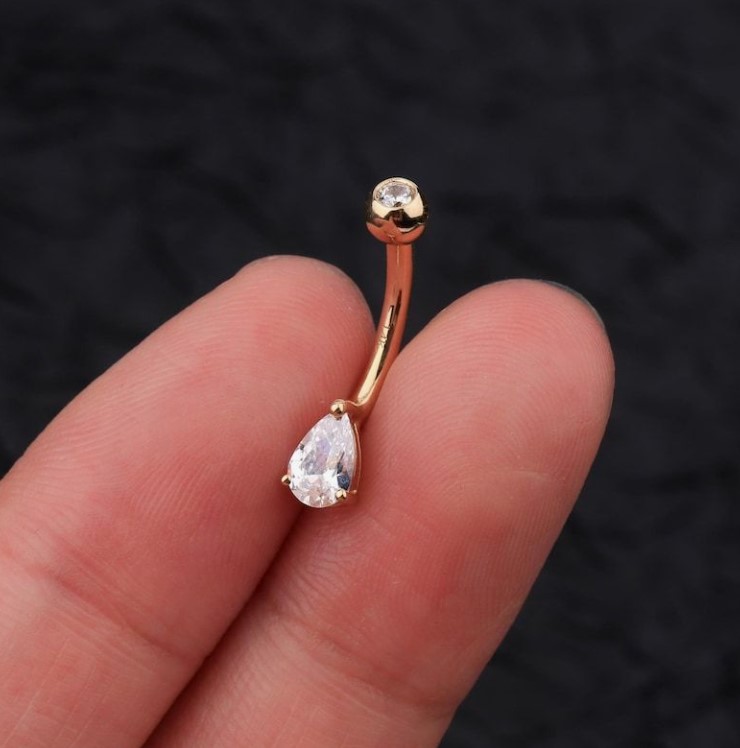
Choosing a Licensed Piercer Near Me in Your Area
Selecting a licensed piercer is a crucial step in ensuring a safe and successful belly piercing experience. To begin your search, consult local regulations and guidelines regarding body piercings, as these vary by region. Look for studios that display their licensing and certification prominently, as this demonstrates a commitment to professional standards.
Research is essential when selecting your piercer. Check reviews and testimonials from previous clients online, using platforms such as Google, Yelp, or social media. Pay particular attention to comments regarding hygiene practices, customer service, and overall satisfaction with the piercing experience.
Once you narrow down your options, visit the studios in person. A reputable studio should maintain a clean and sanitary environment, with sterilization equipment visible and properly labeled. Observe the overall atmosphere and the professionalism of the staff.
During your visit, engage in a conversation with the piercer about their experience and techniques. Inquire about their background, training, and how long they have been practicing. A skilled piercer should be able to answer your questions confidently and provide you with detailed information regarding aftercare procedures.
Additionally, ensure that the piercer uses high-quality, sterile jewelry that is appropriate for initial piercings. Materials such as titanium or surgical stainless steel are recommended to minimize irritation and promote healing.
Lastly, trust your instincts. If something feels off during your research or visit to the studio, do not hesitate to choose another piercer. Your safety should be the top priority, so take the time to find a licensed professional you feel comfortable with for your belly piercing.
Understanding the Sterilization Process for Piercing Tools
Proper sterilization of piercing tools is crucial to ensure the health and safety of individuals undergoing body piercings. The process eliminates harmful pathogens that could lead to infections or other complications. There are several methods commonly used for sterilization, which include autoclaving, chemical sterilization, and ultrasonic cleaning.
Autoclaving
Autoclaving is the most effective method for sterilizing piercing tools. This process involves using high-pressure steam at temperatures exceeding 121°C (250°F) for a specified period. The combination of heat and pressure destroys bacteria, viruses, and fungi. Tools should be placed in steam-permeable pouches, allowing the steam to penetrate and sterilize the instruments effectively.
Chemical Sterilization and Ultrasonic Cleaning
Chemical sterilization involves immersing tools in a solution containing disinfectants capable of killing microorganisms. While effective, this method requires careful handling and adequate contact time to ensure sterilization. Ultrasonic cleaning, on the other hand, uses high-frequency sound waves in a cleaning solution to remove dirt and debris from instruments. Although it does not achieve sterilization on its own, it is often used as a preliminary step before autoclaving or chemical sterilization.
In conclusion, understanding the sterilization process for piercing tools ensures a safe experience. Individuals should always inquire about the methods used by their piercing studio and verify that proper protocols are followed to protect their health.

Aftercare Guidelines for Belly Piercings
Proper aftercare is essential for ensuring the health and longevity of your belly piercing. Follow these guidelines to promote healing and minimize the risk of infection.
Initial Care (First Few Weeks)
- Clean the Piercing: Use a saline solution or an antiseptic solution recommended by your piercer to clean the area twice daily.
- Avoid Touching: Do not touch the piercing with unwashed hands. Only touch it when cleaning or changing jewelry.
- Do Not Remove Jewelry: Keep the initial jewelry in place for at least 6-12 weeks, or as advised by your piercer.
- Wear Loose Clothing: Opt for loose-fitting clothing during the healing process to avoid irritation or friction around the piercing.
- Limit Water Exposure: Avoid swimming pools, hot tubs, and baths until the piercing is fully healed.
Ongoing Care (After Initial Healing)
- Continue to Clean: Clean the piercing consistently, even after the initial healing period, to prevent infection.
- Monitor for Infection: Be vigilant for signs of infection such as redness, swelling, or unusual discharge. Seek medical advice if these symptoms occur.
- Switch to Hypoallergenic Jewelry: After healing, consider switching to high-quality hypoallergenic jewelry like titanium or surgical steel.
- Avoid Changing Jewelry Too Soon: Wait at least 6 months before changing to a new piece of jewelry, to ensure the piercing is fully healed.
By adhering to these aftercare guidelines, you can facilitate a safe and successful healing process for your belly piercing.
Identifying Safe Jewelry Materials for Piercing
Choosing the right jewelry material for your belly piercing is crucial for both safety and comfort. Using incompatible materials can lead to irritation, allergic reactions, or infections. Below are key materials that are considered safe for piercings:
- Titanium:This metal is lightweight, strong, and highly resistant to corrosion. Titanium is hypoallergenic, making it a great choice for sensitive skin. Look for implant-grade titanium, which is specifically designed for body jewelry.
- Stainless Steel:Medical-grade stainless steel is another popular option for body piercings. It is durable and corrosion-resistant. Ensure that the jewelry is nickel-free to prevent allergic reactions.
- Gold:Only high-quality gold, such as 14k or 18k, should be used for piercings. Gold must be alloyed properly, and it’s best to choose pieces that are free from nickel and other irritating metals. Pure gold is not suitable for initial piercings due to its softness.
- Bioplast:Bioplast is a flexible, plastic material that is often used in body jewelry. It is biocompatible and suitable for those with sensitive skin. This material is particularly beneficial during the healing process.
- Silicone:Silicone is often used for healed piercings due to its flexibility and comfort. It is important to choose medical-grade silicone, as regular silicone may cause irritation or allergic reactions.
When selecting your body jewelry, it’s also essential to:
- Consult with a professional piercer about material options that suit your body.
- Ensure all jewelry is sterilized and comes from a reputable source.
- Monitor your piercing for any signs of irritation or infection and change the jewelry if necessary.
By understanding the safe materials for jewelry, you can minimize your risk of complications and enjoy your new belly piercing confidently.
Common Risks Associated with Belly Piercings
Belly piercings are a popular form of body art, but they come with specific risks that should be carefully considered. Understanding these risks can help in making an informed decision and ensuring proper care post-piercing.
Infection Risks
One of the most significant risks associated with belly piercings is the possibility of infection. The navel area is often a breeding ground for bacteria due to moisture and natural oils. If not properly cared for, bacteria can infiltrate the piercing site, leading to infections that may require medical intervention.
Allergic Reactions
Another common risk is an allergic reaction to the jewelry material. Many individuals may have sensitivities to certain metals, such as nickel, which can cause redness, swelling, and irritation at the piercing site. Choosing high-quality materials, such as titanium or surgical stainless steel, can help minimize this risk.
| Potential Complication | Description |
|---|---|
| Infection | Increased redness, swelling, and discharge from the piercing site. |
| Allergic Reactions | Skin irritation and inflammation caused by metal sensitivities. |
| Keloids | Overgrowth of scar tissue that can form at the piercing site. |
| Migration or Rejection | The piercing may move from its original position or be pushed out by the body. |
Addressing these risks proactively through research, proper aftercare, and consulting with a professional piercer can significantly enhance the safety of belly piercing procedures. Being informed allows individuals to enjoy their body art with reduced anxiety and improved wellbeing.
Steps to Prepare for Your Belly Piercing Appointment
Preparing for your belly piercing appointment is essential to ensure a smooth and safe experience. Here are the key steps to follow:
1. Choose a Reputable Studio: Research local piercing studios to find one with a good reputation. Read reviews, check ratings on websites, and ensure they follow health and safety regulations.
2. Schedule a Consultation: If possible, schedule a consultation before your actual appointment. This allows you to meet the piercer, ask questions, and discuss the procedure in detail.
3. Select the Right Jewelry: Discuss with your piercer the type of jewelry suitable for belly piercings. Surgical stainless steel, titanium, or gold are common materials. Choose a piece that fits your style but is also safe for your body.
4. Practice Good Hygiene: Before your appointment, maintain good hygiene. Take a shower, wash your hands, and avoid applying lotions or creams on your stomach area to reduce the risk of infection.
5. Wear Comfortable Clothing: Opt for loose-fitting clothing that makes it easy for the piercer to access your belly area. Avoid tight clothes that could irritate the fresh piercing after the procedure.
6. Avoid Alcohol and Blood Thinners: In the 24 hours leading up to your appointment, abstain from alcohol and any medications that may thin your blood. This will help reduce the risk of excess bleeding during the procedure.
7. Eat a Light Meal: Have a light meal before your appointment to avoid feeling faint or weak. Ensure you are well-hydrated as well, but avoid heavy or greasy foods.
8. Bring an ID and Payment: Don’t forget to bring a valid form of identification and payment. Many studios require this information to complete the process.
9. Prepare Mentally: Take a moment to relax and mentally prepare for the appointment. Understand the procedure, its benefits, and the aftercare needed.
10. Plan Your Aftercare: Research the aftercare required for a belly piercing. Prepare any necessary supplies like saline solution, cleaning solutions, and comfortable clothing for the recovery period.
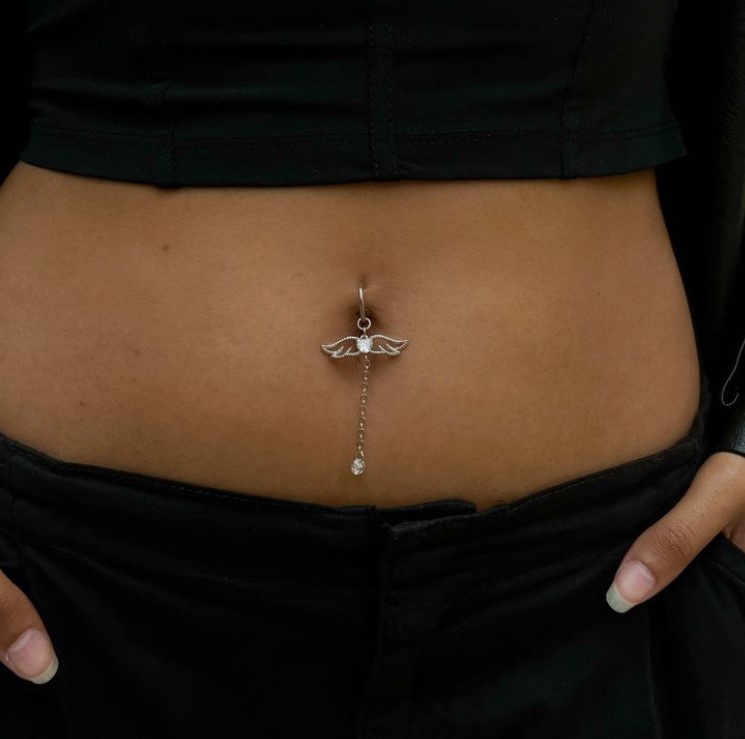
What to Expect During the Piercing Procedure
Undergoing a belly piercing can be an exciting experience, but it’s important to know what to expect during the actual procedure. Arriving at your chosen piercing studio, you will typically find a clean and sanitized environment. Professional piercers prioritize hygiene, using sterilized equipment and following strict safety protocols.
Preparation and Consent
Before the procedure begins, your piercer will ask you to fill out a consent form, outlining any risks and care instructions. They will then discuss the type of jewelry that will be used, ensuring it is suitable for your body and personal style. It’s crucial to communicate any allergies or medical conditions to your piercer at this stage. Once you’re ready, the piercer will guide you to a private area for the procedure.
The Piercing Process
The actual piercing process usually begins with the piercer marking the spot on your belly where the piercing will take place. They will ensure the placement is symmetrical and to your liking before proceeding. After confirming the placement, the area will be cleaned thoroughly with an antiseptic solution to minimize the risk of infection.
Next, the piercer will use a specialized needle to create the hole. Unlike conventional needles, piercing needles are hollow, allowing for a cleaner and more precise piercing with minimal trauma to the surrounding tissue. You may feel a brief sting or pinch, which is usually quick. After the piercing is completed, the jewelry will be inserted, followed by another quick cleaning to ensure everything is sterile before you leave.
Post-procedure, your piercer will provide aftercare instructions, outlining how to care for your new piercing to promote healing and avoid complications. Expect to be in and out in a relatively short time, usually around 30 minutes, depending on the piercer’s pacing and guidelines.
Signs of Infection After a Belly Piercing
After getting a belly piercing, it is essential to monitor the area for signs of infection. An infection can occur if proper aftercare is not followed or if the piercing is exposed to unsanitary conditions. Here are some common symptoms to watch for:
Common Symptoms
The initial stage of infection often includes mild symptoms, which can escalate if not addressed promptly. Look out for:
| Symptom | Description |
|---|---|
| Redness | A pronounced redness surrounding the piercing site that does not fade over time. |
| Swelling | Increased swelling around the jewelry that may feel warm to the touch. |
| Pain | Persistent pain or tenderness that exceeds normal post-piercing discomfort. |
| Pus or Discharge | Presence of yellow or green pus, which may have a foul odor. |
| Fever | Development of a low-grade fever could indicate a systemic infection. |
What to Do If You Suspect an Infection
If you notice any of these symptoms, it is crucial to take action. Start by keeping the piercing clean and avoid removing the jewelry, as this can trap bacteria in the wound. Contact a professional piercer or a healthcare provider to assess the situation and receive appropriate treatment. Early intervention can prevent complications and promote faster healing.
How to Care for Your Belly Piercing in Different Seasons
Taking care of your belly piercing requires attention to seasonal changes that can affect healing and comfort. Here are some guidelines for each season:
Spring
As the weather warms up, you’re likely to spend more time outdoors. Follow these tips:
- Keep the area clean by washing with mild soap and water daily.
- Avoid harsh scrubs or exfoliants that may irritate the skin.
- Wear breathable fabrics to prevent moisture accumulation and friction.
Summer
Summer activities like swimming and sun exposure can pose risks to your piercing. Consider these precautions:
- Limit swimming in pools and hot tubs to avoid exposure to chlorine and bacteria.
- Apply a broad-spectrum sunscreen around the piercing (avoid direct application on the jewelry).
- Stay hydrated to promote skin health and healing.
Fall
As temperatures cool down, adjust your care routine to accommodate the changing weather:
- Moisturize the skin around the piercing to prevent dryness and irritation.
- Layer clothing carefully; avoid tight or rough fabrics that may rub against the piercing.
- Continue to clean the area regularly, especially if wearing longer clothing.
Winter
Exposure to cold weather can affect your skin’s condition. Follow these winter care tips:
- Keep the piercing well-hydrated; consider using a fragrance-free moisturizer.
- Be cautious of heavy winter clothing that may constrict the area and cause friction.
- Monitor for signs of irritation as skin may become more sensitive in colder temperatures.
Regardless of the season, maintaining proper hygiene and following aftercare instructions from your piercer is essential. Regularly check your piercing for any signs of infection or irritation, and consult a professional if you have concerns.
Consultation Questions to Ask Your Piercer
Before getting a belly piercing, it’s crucial to have an informative consultation with your piercer. Here are some essential questions to ask during your appointment.
Experience and Qualifications
How long have you been piercing? Knowing your piercer’s experience can give you confidence in their skills. Inquire if they have specialized training in body piercings.
Are you certified by a professional organization? Certification from a recognized body indicates that your piercer adheres to industry standards and best practices.
Procedure and Aftercare
What will the procedure involve? Understanding the steps involved can help alleviate any anxiety you may have about the process. Ask about the tools and materials that will be used.
What type of jewelry do you recommend for a belly piercing? Discussing jewelry options, such as materials and styles, can help you choose what will best suit your body and lifestyle.
What aftercare do you recommend? Proper aftercare is vital for preventing infections and ensuring healing. Get detailed instructions on how to care for the piercing post-procedure.
What should I watch for during the healing process? It’s important to know the signs of potential complications, such as excessive redness or swelling.
Understanding Healing Time for Belly Piercings
Healing time for belly piercings can vary widely depending on individual factors and care practices. On average, a belly piercing takes between 6 to 12 months to fully heal. During this period, proper aftercare is crucial to avoid complications.
Factors Influencing Healing Time
- Body Type: Individuals with different body compositions may experience varied healing rates.
- Aftercare Routine: Following the recommended aftercare guidelines can expedite healing.
- Quality of the Jewelry: High-quality, hypoallergenic materials can reduce irritation and promote faster healing.
- Level of Activity: Physical activities may impact healing; excessive movement can irritate the piercing.
- Health Conditions: Conditions like diabetes can affect healing times significantly.
Stages of Healing
The healing process can be broken down into several stages, each lasting different lengths of time:
- Initial Healing (1-2 Weeks): The piercing will likely be red, swollen, and tender during this phase.
- Intermediate Healing (3-6 Months): Most of the initial sensitivity will decrease, but the piercing is still healing internally.
- Final Healing (6-12 Months): The skin should appear normal, but the piercing can still take up to a year to fully mature, where the tissue adjusts around the jewelry.
Monitoring the healing process helps in identifying potential complications early, such as infections or allergic reactions. Understanding these aspects can provide clarity and encourage proper care for a successful belly piercing experience.
When to Seek Medical Attention After Piercing
After a belly piercing, it is crucial to monitor the site for signs of complications. While some swelling and redness may occur, certain symptoms warrant immediate medical attention. Recognizing these signs can help prevent severe infections or other complications.
Symptoms Requiring Immediate Attention
| Symptom | Action |
|---|---|
| Excessive swelling | Visit a healthcare provider to assess possible infection. |
| Persistent or increasing pain | Consult a medical professional for evaluation. |
| Discharge of pus | Seek immediate medical attention to address infection. |
| Red streaks extending from the piercing | Go to a doctor to check for systemic infection. |
| Fever over 101°F (38.3°C) | Contact a healthcare provider to discuss symptoms. |
| Allergic reaction (itching, rash) | See a doctor for potential allergy treatment. |
Post-Piercing Care and Prevention
To reduce the risk of complications, follow proper aftercare guidelines. Clean the area regularly with a saline solution, avoid touching the piercing with unwashed hands, and refrain from swimming in pools or hot tubs until fully healed. Additionally, ensure that your jewelry is made from hypoallergenic materials to minimize allergic reactions.
Finding Reviews and Recommendations for Local Piercing Studios
When considering a belly piercing, locating a reputable studio is crucial for ensuring safety and quality. Start by checking online platforms such as Yelp, Google Reviews, and Facebook. These sites often feature customer feedback that outlines personal experiences, cleanliness, and the professionalism of the staff.
Look for studios with high ratings and detailed reviews. Pay attention to repeated comments regarding the sterilization of tools, the demeanor of the piercers, and the overall atmosphere of the studio. A positive pattern in reviews can indicate a reliable establishment.
Engage with local community forums or social media groups where individuals discuss their tattoo and piercing experiences. This can provide insider knowledge about which studios are favored in your area and why. Often, you will find personal stories that highlight aspects not mentioned in typical reviews.
Ask friends, family, or acquaintances who have had piercings for their recommendations. Personal referrals can lead you to trusted artists and help you avoid places with negative reputations. Additionally, visiting the studio in person may allow you to gauge the environment, inspect hygiene practices, and meet the staff before making your decision.
When researching, don’t hesitate to reach out directly to studios for information about their health and safety protocols. A professional studio will be transparent about their procedures and happy to answer any questions regarding their experience and certifications.
Q&A: Safety and Procedure for a Belly Piercing Near Me
What should I consider before getting a belly piercing?
Before deciding on a belly piercing, it’s important to research reputable piercing studios in your area. Check their hygiene practices, the experience of the piercer, and customer reviews. Consider any personal health issues, especially if you have skin sensitivities or a history of keloids. It’s also wise to evaluate your lifestyle and how a belly piercing may affect activities like swimming or certain physical activities.
What is the process of getting a belly piercing?
The belly piercing process typically begins with a consultation where the piercer discusses design options and placement. After agreeing on details, the area will be cleaned thoroughly. A sterilized needle will be used to pierce the skin, followed by inserting the chosen jewelry. Aftercare instructions will be provided to promote healing and prevent infection. The whole process usually takes less than an hour.
How long does it take for a belly piercing to heal?
Healing time for a belly piercing varies from person to person, but it generally takes around 6 to 12 months to fully heal. During the healing phase, it’s common to experience some swelling and tenderness. Following aftercare guidelines, such as keeping the area clean and avoiding certain clothing, can help speed up the healing process and reduce the risk of complications.
What should I do if my belly piercing gets infected?
If you suspect an infection in your belly piercing, look out for symptoms like increased redness, swelling, pus, or a persistent itch. It’s essential to clean the area with saline solution and avoid removing the jewelry, as this can trap the infection. If symptoms worsen or do not improve, consult a healthcare professional for further advice. They may prescribe antibiotics or recommend proper care to manage the infection.
Can I change my belly ring right after getting the piercing?
It’s recommended to wait until your belly piercing has fully healed before changing the jewelry. This usually means waiting at least 6 months. Changing the ring too early can irritate the piercing and increase the risk of infection. Once healed, you have various jewelry options, but always ensure that any new jewelry is made from body-safe materials to prevent allergic reactions.
Trendy Tattoo Artist in Chicago is not just a title, but a promise that your new piece of art will be stylish, relevant, and executed using the most cutting-edge techniques.


