

Significance of the Tattoo is deeply rooted in human history, as the art of tattooing is an ancient practice that transcends geographical boundaries and cultural contexts, weaving a rich tapestry of tradition and meaning throughout history. Tattoos have served as symbols of identity, status, and belonging in various societies, marking significant life events and cultural rites of passage. From the tribal markings of indigenous peoples to modern artistic expressions, this significance reflects the evolution of human culture and self-expression.
In many cultures, tattoos have been used as a form of storytelling, capturing the narratives and values of a community. The designs often carry deep spiritual or social meanings, representing ancestry, wisdom, and the individual’s journey through life. For example, the Maori tattoos of New Zealand, known as ta moko, are not merely decorative; they symbolize the wearer’s lineage, achievements, and connection to their heritage.
As the world continues to globalize, the perception of tattoos has evolved dramatically. Once associated with marginalization or rebellion, tattoos have gained mainstream acceptance and are increasingly seen as a legitimate art form. However, the historical and cultural significance of tattoos persists, inviting us to explore the interplay between personal identity, cultural heritage, and the artistic dimensions of tattooing.

Origins of Tattooing in Ancient Civilizations
Tattooing is an ancient practice that dates back thousands of years, with evidence of its existence found in various ancient civilizations across the globe. The origins of tattooing can be traced to distinct cultural, spiritual, and social contexts, each providing insight into the significance of body art in those societies.
One of the earliest examples of tattooing comes from the Ötzi the Iceman, a naturally mummified man from around 3300 BCE discovered in the Alps. His body featured over 60 tattoos, primarily made from incisions filled with charcoal. These tattoos are believed to have served therapeutic purposes, as well as potential spiritual significance, reflecting the healing practices of that time.
In ancient Egypt, tattoos were often associated with religious practices and societal status. Women, in particular, adorned their bodies with tattoos that symbolized fertility and protection. Archaeological findings indicate that the tattoos of these women featured intricate designs, which were thought to invoke the favor of the gods.
The Polynesian Islands provide another notable example, where tattooing, or “tatau,” holds deep cultural and social implications. For the Samoan people, tattoos signify a rite of passage and are integral to identity and social status. The process of tattooing involves not only physical pain but also a significant personal journey, marking important milestones in an individual’s life.
In ancient China, tattoos have been historically associated with punishment, as they were often used to mark criminals and slaves. However, during the Tang Dynasty, some tattooed individuals emerged as artists and performers, showcasing a dual perception of tattoos that evolved over time.
The significance of tattoos transcended individual cultures and often intersected with motifs from nature, mythology, and societal values. Each civilization imbued the practice of tattooing with its own meanings and purposes, from the expression of individuality to the reinforcement of collective identity.
Overall, the origins of tattooing in ancient civilizations reveal a complex interplay between art, spirituality, and identity, suggesting that the practice has long served as a powerful form of self-expression and cultural heritage.
Symbolism of Tattoos in Different Cultures
Tattoos have served as powerful symbols throughout history, conveying a wide array of meanings across various cultures. In Polynesian societies, tattoos, or “tatau,” represent a person’s identity, social status, and life experiences. These intricate designs are often deeply spiritual, linking individuals to their ancestry and the natural world.
In Japanese culture, tattoos, known as “irezumi,” have been associated with the Yakuza, the Japanese organized crime syndicate. Historically, these tattoos were utilized as a form of punishment and later evolved into a mark of pride and resilience. They often feature motifs such as koi fish, dragons, and cherry blossoms, each embodying values like strength, perseverance, and the transient nature of life.
Native American tribes utilize tattoos for various reasons. They may signify achievements, rites of passage, or tribal identity. Designs often reflect elements of nature and spirituality, acting as a connection to the earth and ancestral heritage.
In ancient Egypt, tattoos predominantly adorned women and were believed to possess protective qualities. These markings were thought to ward off evil spirits and communicate one’s relationship with deities. The designs were often symbolic and included protective symbols like the Eye of Horus.
Western cultures have adopted tattoos for self-expression and personal significance, often reflecting individuality or belonging to a specific subculture. The meanings can range from memorializing loved ones to showcasing artistic expression, embodying personal stories or beliefs.
In India, tattoos, or “mehndi,” are often ceremonial and temporary. Traditionally applied during weddings and festivals, they symbolize auspiciousness, joy, and femininity. The patterns used are rich in cultural significance, representing fertility, love, and prosperity.
In conclusion, tattoos across different cultures carry profound symbols that reflect societal values, personal identity, and spiritual beliefs. Understanding these varied meanings enriches the appreciation of tattoos as an art form and a means of communication that transcends time and geography.
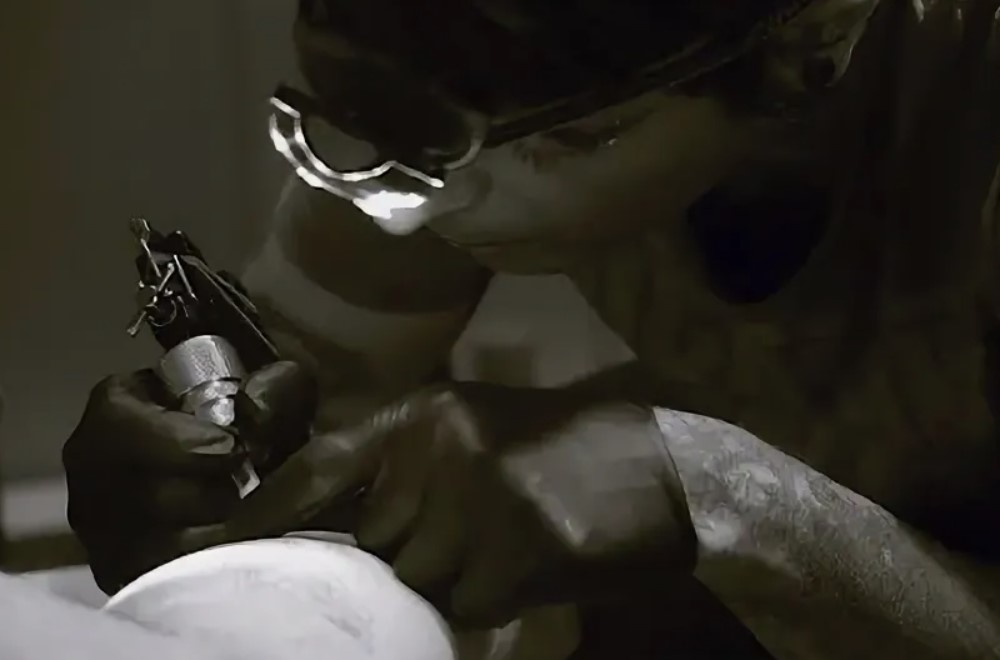
The Role of Tattoos in Social Identity and Status
Tattoos have long served as a powerful means of expressing personal identity and societal status across various cultures. They reflect individual narratives, group affiliations, and social hierarchies.
In many indigenous communities, tattoos signify important life milestones, social rank, or tribal affiliation. These body markings often indicate:
- Warrior status
- Marital status
- Membership in a specific clan or tribe
Such tattoos create a visible connection to heritage and tradition, reinforcing the wearer’s identity within their community. In this context, tattoos function as both personal art and social markers.
Conversely, in Western societies, tattoos can serve varied roles in social identity and status. They may be used to:
- Signal rebellion or non-conformity
- Exhibit affiliations to subcultures (e.g., punk, goth)
- Showcase personal beliefs or philosophies
For many, tattoos provide a sense of belonging and camaraderie within a specific group, creating bonds through shared body art. This communal aspect often transcends geographical boundaries, leading to a global exchange of tattoo styles and meanings.
However, tattoos in contemporary society can also reflect issues of status and privilege. The perception of tattoos varies widely, impacting social interactions. In professional settings, for instance, visible tattoos may influence hiring decisions or career advancement, affecting how individuals are perceived based on their body art.
Despite these challenges, societal attitudes towards tattoos are gradually evolving. An increasing number of people view them as legitimate forms of self-expression, breaking down stigma and promoting acceptance across various demographics.
In conclusion, tattoos play a multifaceted role in shaping social identity and status. They serve as markers of personal history, group belonging, and even social stratification. As attitudes continue to shift, the significance of tattoos in the social landscape remains a vibrant and dynamic topic of cultural exploration.
Religious and Spiritual Significance of Tattoo Practices
Tattoo practices have deep roots in various religious and spiritual traditions around the world. In many cultures, tattoos serve as a means of expressing faith, identity, and devotion to spiritual beliefs. These body art forms can hold profound meanings and be integral to the rituals and ceremonies within specific communities.
Historical Context of Tattoos in Religion
Throughout history, tattoos have been utilized for a variety of religious purposes. For instance, in ancient Egypt, tattoos were often associated with protection and spiritual resilience, particularly among women. Designs could represent deities or protective symbols, aimed at ensuring safety in the afterlife. Similarly, in Polynesian cultures, tattoos convey one’s lineage and social status, serving as a rite of passage that connects individuals to their ancestors and the spiritual realm.
In Japan, traditional tattooing, known as Irezumi, has historical ties to Buddhism. Certain motifs signify spiritual concepts, such as koi fish representing perseverance and dragons symbolizing strength. These tattoos often tell stories that integrate personal identity with broader cultural and religious narratives.
Modern Spiritual Practices and Tattoos
In contemporary society, tattooing remains significant within various spiritual practices. Some individuals choose to adorn themselves with symbols that reflect their personal spiritual journeys or philosophies. For example, many followers of New Age movements opt for tattoos that embody concepts like peace, love, and enlightenment. These tattoos serve as constant reminders of their values and beliefs, transforming the body into a canvas for spiritual expression.
Moreover, certain Indigenous tribes continue to uphold tattooing as a sacred tradition. In these communities, tattoos often signify crucial life events or personal transformations, reinforcing a deeper connection to cultural heritage and ancestral wisdom. In these contexts, tattoos are more than mere decoration; they are powerful emblems of one’s faith and a collective identity.
In conclusion, the religious and spiritual significance of tattoo practices illustrates a profound link between body art and deeper existential beliefs. Whether through historical customs or modern expressions, tattoos serve as vital symbols that reinforce connections to the divine, culture, and individual identity.
Historical Figures and Their Influence on Tattoo Culture
Tattooing has long been a powerful form of self-expression, and several historical figures have notably influenced its cultural significance. Their roles and decisions have shaped societal perceptions and trends regarding body art.
One of the most influential figures in tattoo history is Captain James Cook, an English explorer in the 18th century. His voyages to the South Pacific brought him into contact with indigenous tattooing practices, which he documented in his journals. Cook’s accounts sparked European fascination with tattoos, leading to their adoption among sailors and eventually the upper classes.
Another pivotal figure is the French artist Paul Gauguin, who traveled to Tahiti in the late 19th century. Gauguin’s artistic representation of Polynesian life, including tattoos, introduced Western audiences to the aesthetic and spiritual dimensions of this body art. His work contributed to the romanticization of tattoos and their associations with exoticism and freedom.
In the 20th century, the American tattoo artist Norman “Sailor Jerry” Collins played a crucial role in evolving tattoo artistry. Known for his bold colors and intricate designs, Collins popularized traditional American tattoo styles. His contributions to tattoo culture included the use of high-quality pigments and sanitation practices, paving the way for modern tattooing standards.
The table below summarizes some key historical figures and their contributions to tattoo culture:
| Historical Figure | Contribution | Impact on Tattoo Culture |
|---|---|---|
| Captain James Cook | Documented Polynesian tattoo practices | Introduced tattoos to European audiences |
| Paul Gauguin | Artistic representation of tattoos in Polynesia | Romanticized tattoos, linking them to concepts of freedom |
| Norman “Sailor Jerry” Collins | Innovated American tattoo styles | Established modern tattooing standards and hygiene practices |
These individuals not only advanced the art of tattooing but also transformed its perception from taboo to a celebrated form of personal and cultural expression. Their legacies continue to resonate in contemporary tattoo culture, influencing both artists and enthusiasts alike.
Changing Perceptions of Tattoos Through the Ages
Tattoos have undergone significant transformations in societal perception throughout history. What was once a mark of identity or status has seen a vast shift in meaning and acceptance.
In ancient cultures, tattoos served various purposes:
- Religious and Spiritual Significance: Many indigenous tribes used tattoos as a means to connect with deities or as rites of passage.
- Social Status: In cultures like the Maori, tattoos indicated rank and achievements, marking an individual’s place in society.
- Protection and Healing: Some believed that tattoos offered spiritual protection from evil spirits or illness.
During the Middle Ages, tattoos were often associated with criminality and outcasts. The practice declined in Europe as Christianity spread, with tattoos viewed negatively; they were linked to paganism and sin.
In the 18th and 19th centuries, the perception began to shift again. The fascination with exploration and exotic cultures led to a revival of tattooing:
- Adventurers and Sailors: Tattoos became popular among sailors and explorers, symbolizing bravery and adventure.
- Artistic Expression: Tattooing began to be seen as a form of art, gaining respect among artists.
In the 20th century, tattoos reached a tipping point in mainstream culture:
- Post-World War II: Many veterans returned with tattoos, which helped further normalize the practice.
- Counterculture Movements: The 1960s and 1970s saw tattoos embraced by punk and alternative cultures, symbolizing rebellion and individuality.
Currently, tattoos are widely accepted in contemporary society. They are often seen as a form of personal expression rather than a mark of deviance:
- Celebrity Influence: High-profile individuals sporting tattoos have contributed to their normalization.
- Gender and Age Diversity: Tattoos are now common among various demographics, breaking previous stereotypes.
- Business Acceptance: Many workplaces have adopted more relaxed policies regarding visible tattoos.
This ongoing evolution reflects broader societal changes regarding self-identity, expression, and acceptance of diverse forms of culture. The perception of tattoos continues to transform, illustrating society’s complex relationship with body art.
Regional Variations: Polynesian vs. Japanese Tattoo Traditions
Tattoo traditions in Polynesia and Japan showcase the diverse cultural significance and techniques used across different regions. Both styles possess deep-rooted histories, yet they reflect unique values, beliefs, and artistic expressions inherent to their respective cultures.
Polynesian Tattoo Tradition
Polynesian tattoos, known as “tatau,” are an integral element of identity, spirituality, and social status within Polynesian societies. Originating in the islands of the South Pacific, these tattoos often convey personal narratives, genealogy, and the wearer’s achievements. Traditional Polynesian tattooing techniques involve hand-tapping, where tools made from natural materials are used to apply ink, resulting in bold black patterns that have significant meaning.
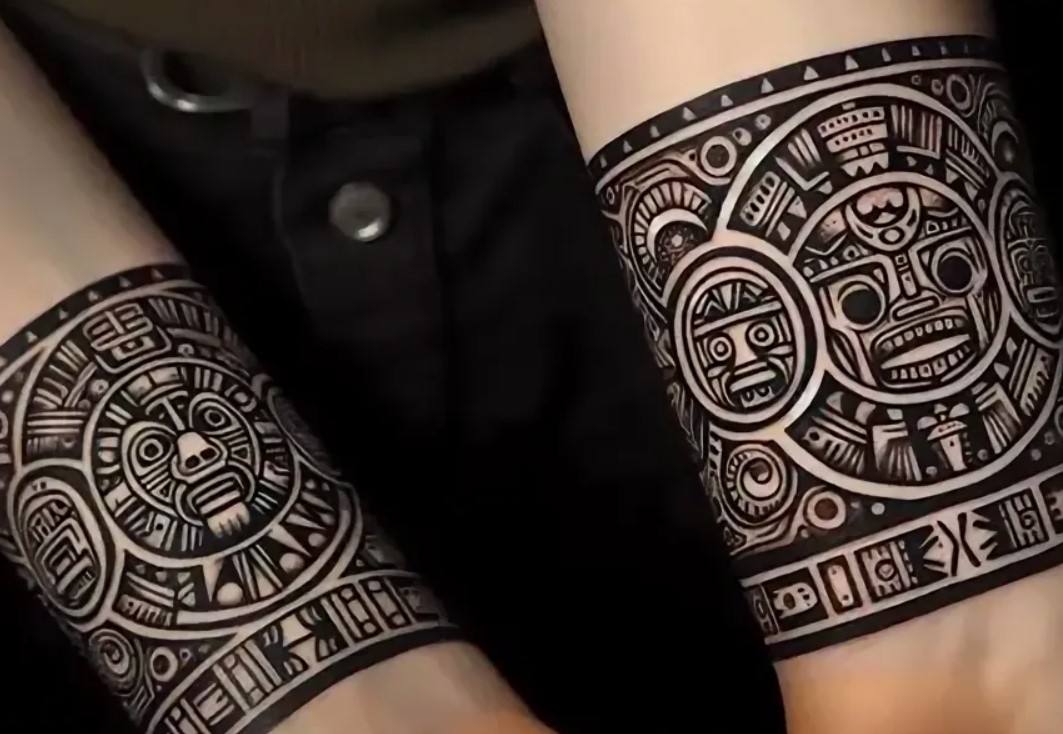
Designs often incorporate geometric patterns, sacred symbols, and motifs that represent the wearer’s community, family lineage, and connection to the natural world. Each symbol carries distinct meanings, making the practice a form of storytelling deeply embedded in Polynesian culture. The process of receiving a tattoo is sacred, often accompanied by rituals and communal celebration, signifying a rite of passage or personal transformation.
Japanese Tattoo Tradition
In contrast, Japanese tattooing, or “irezumi,” has evolved over centuries and is often associated with both artistry and outcast communities such as the Yakuza. Traditional Japanese tattoos are characterized by elaborate full-body designs that typically include motifs such as koi fish, dragons, and cherry blossoms, each symbolizing specific attributes like strength, perseverance, and beauty.
The technique of Japanese tattooing relies on hand-poked methods and the use of vibrant color palettes, contributing to the intricate detail found in each piece. Unlike Polynesian tattoos, which often emphasize individual identity, Japanese tattoos tend to reflect broader themes of nature, mythology, and the interplay between life and death. The practice also involves a cultural stigma, particularly in modern Japanese society, where tattoos are often associated with criminality and social exclusion.
Both Polynesian and Japanese tattoo traditions highlight the rich cultural heritage and the complex narratives that tattoos can convey. While Polynesian tattoos celebrate personal identity and community connection, Japanese tattoos focus on artistry and cultural storytelling. Understanding these regional variations enhances appreciation for the historical and cultural significance of tattooing in different societies.
Contemporary Art Forms: Tattoos as a Medium of Expression
Tattoos have evolved significantly from their historical roots to become a prominent form of contemporary art. Once associated primarily with marginalized communities, tattoos are now embraced by diverse groups as a legitimate medium of personal expression and artistic creativity. This transformation highlights the emergence of tattooing as a recognized art form that communicates individual narratives and cultural identities.
In the contemporary art scene, tattoos serve various purposes, ranging from personal storytelling to social commentary. Artists utilize skin as a canvas, creating intricate designs that reflect the wearer’s experiences, beliefs, and emotions. The permanence of tattoos adds a layer of depth to their significance, as they often commemorate important life events or symbolize personal transformations.
The rise of tattoo conventions and exhibitions underscores the growing recognition of tattooing as art. These events showcase the work of talented tattoo artists, celebrate diverse styles, and foster a sense of community among enthusiasts. The interaction between tattoo artists and clients also emphasizes the collaborative nature of this medium, where ideas are exchanged and artistic visions are co-created.
Furthermore, tattoos challenge societal norms and aesthetics, often pushing boundaries of traditional art forms. Contemporary tattoo artists experiment with various techniques and styles, incorporating elements from fine art, pop culture, and graphic design. This fusion not only enriches the tattooing practice but also invites discussions about the nature of art itself and its role in society.
As tattoos gain acceptance in mainstream culture, they have begun to permeate other art forms, including photography, fashion, and digital media. This interplay between different creative expressions highlights how tattoos transcend their physical form, leading to broader conversations about identity, self-expression, and the significance of body art in today’s world.
Overall, tattoos as a contemporary art form reflect the dynamic interplay between personal narrative and cultural expression, embodying a fusion of tradition and innovation. They are not merely decorative; they serve as vital conduits for communication, identity affirmation, and artistic exploration.
Legal and Social Implications Surrounding Tattoos
The legal landscape surrounding tattoos varies significantly across different jurisdictions, influencing both the tattoo industry and individual rights. In many countries, regulations govern the practice of tattooing, often focusing on health and safety standards. Tattoo artists are typically required to attain licenses, undergo training in hygiene practices, and use sterilized equipment to minimize the risk of infections and diseases. Compliance with these laws not only protects public health but also establishes professional legitimacy within the industry.
Moreover, the age at which individuals can legally obtain tattoos is another critical legal implication. Most regions set a minimum age, often requiring parental consent for minors. These regulations aim to prevent impulsive decisions made by younger individuals while acknowledging the potential for lasting consequences associated with tattoos.
Socially, tattoos carry diverse meanings that can fluctuate depending on cultural contexts. Historically, tattooing has been associated with rebellion, self-expression, and identity. In contemporary society, perceptions of tattoos are undergoing significant shifts. Once stigmatized, tattoos are now increasingly accepted and even celebrated within mainstream culture, influenced by celebrity endorsements and the rise of tattoo conventions.
Despite gains in acceptance, individuals with tattoos can still face discrimination in professional settings. Certain employers may uphold policies that discourage visible tattoos, reflecting outdated biases. This societal perception can create barriers for job seekers and professionals, contributing to ongoing debates about personal expression in the workplace.
Additionally, the permanence of tattoos raises ethical considerations, particularly regarding informed consent. Individuals may later regret their tattoos, leading to calls for comprehensive discussions about the implications of this form of body art before getting inked. Removal procedures, although available, can be costly and painful, further complicating this issue.
In conclusion, the legal and social implications surrounding tattoos are multifaceted, affecting industry practices, personal rights, and societal attitudes. As culture evolves, ongoing dialogue regarding regulation, acceptance, and individual expression will shape the future landscape of tattooing.
Tattoo Removal: Historical Context and Modern Practices
The practice of tattoo removal can be traced back to ancient times, with various cultures employing methods to eliminate or alter body art. Historically, tattoo removal was often necessitated by changes in personal circumstances, social status, or religious beliefs. In ancient Rome, for example, tattoos were commonly associated with slavery, and freedmen would sometimes seek to remove their tattoos for social acceptance.
Traditional methods of tattoo removal varied widely across cultures. Techniques included the use of abrasive substances, such as salt or pumice, and physical methods, such as dermabrasion or surgical excision. The effectiveness of these methods was often limited, resulting in scarring or incomplete removal of the tattoo.
Modern practices of tattoo removal have evolved significantly, largely due to advancements in technology. The introduction of laser removal technology in the late 20th century marked a groundbreaking shift. Lasers operate by emitting concentrated light beams that selectively target and break down the ink particles in the skin. This method is less invasive than earlier techniques and minimizes damage to the surrounding tissue.
| Method | Year Introduced | Advantages | Disadvantages |
|---|---|---|---|
| Traditional Abrasion | Ancient | Accessible, low cost | High risk of scarring, painful |
| Dermabrasion | 1950s | Effective on small tattoos | Requires downtime, potential scarring |
| Laser Removal | 1980s | Less invasive, lower risk of scarring | Multiple sessions required, cost |
| Surgical Excision | Historically Used | Immediate removal | Leave significant scars, invasive |
Despite the advances in laser technology, tattoo removal remains a complex and often costly process. The final results can vary depending on several factors, including the type and color of the ink used, the size of the tattoo, and the individual’s skin type. Many people require multiple sessions for optimal results.
Furthermore, the societal perceptions of tattoo removal have also shifted. Once primarily associated with shame or regret, it has become more recognized as a form of personal empowerment and reclamation. Individuals seek removal not only to erase past decisions but also to embrace new narratives and identities.
In summary, tattoo removal has a rich historical background and has transformed significantly over time. While traditional methods were often painful and ineffective, contemporary practices offer more efficient and safer options, reflecting broader changes in societal attitudes towards tattoos and personal expression.
Future Trends in Tattoo Culture and Acceptance
The tattoo culture is at a pivotal moment as societal norms and perceptions continue to evolve. Several trends are emerging that highlight the increasing acceptance and diversification of tattoos.
Firstly, tattoos are becoming more mainstream, breaking away from being exclusive to specific subcultures. More professionals, including those in corporate environments, are embracing body art as a form of self-expression. This shift is leading to:
- Increased visibility of tattooed individuals in leadership positions.
- Corporate policies becoming more lenient regarding visible tattoos.
- A growing market for professional appearance tattoos designed to look aesthetically pleasing yet not overly provocative.
Secondly, the rise of technology in tattooing is paving the way for innovative designs and techniques. Developments include:
- 3D tattoos that create an illusion of depth.
- Smart tattoos that can change color or pattern based on biological signals.
- Augmented reality tattoos that can be viewed differently through devices.
Furthermore, the diversity of tattoo styles is expanding as artists draw inspiration from various cultures and art forms, leading to:
- A fusion of traditional and contemporary designs.
- Greater recognition and appreciation for indigenous tattoo practices.
- Collaborations between tattoo artists and fine artists, stimulating creative dialogues.
In addition, the health and safety of tattooing continue to gain traction, with an emphasis on:
- Improved hygiene standards in tattoo studios.
- Better education for both artists and clients about potential risks.
- The introduction of vegan and cruelty-free ink options.
Lastly, social media platforms play a crucial role in shaping tattoo culture. The potential trends include:
- Increased sharing of tattoo stories and experiences, fostering community.
- Influencer collaborations that normalize and celebrate intricate designs.
- Viral tattoo challenges encouraging creativity and personal expression among a wider audience.
Overall, the future of tattoo culture reflects a broader acceptance and appreciation of individuality, artistry, and personal stories. As society progresses, tattoos will likely continue to be not only a form of self-expression but also a medium that bridges cultural divides.
Q&A – Significance of the Tattoo:
What is the historical origin of tattoos?
Tattoos date back thousands of years and have been found on mummies in Egypt, with evidence suggesting they were used as a form of body art and spiritual protection. In various ancient cultures, such as the Polynesians and Native Americans, tattoos were often used to signify status, achievements, or tribal affiliation. Each design carried specific meanings and was deeply intertwined with the cultural practices of the respective communities.
How do tattoos reflect cultural identity?
Tattoos serve as powerful symbols of cultural identity and community belonging. For many Indigenous peoples, tattoos are deeply rooted in tradition and spirituality, representing ancestral ties and heritage. In modern contexts, individuals may choose tattoos that reflect their cultural background or personal beliefs, showcasing their heritage or commemorating significant life events. For instance, in Japanese culture, tattoo art has a rich history that signifies social class and personal stories through intricate designs.
What roles do tattoos play in modern society?
In contemporary society, tattoos can embody self-expression, allowing individuals to showcase their personalities, beliefs, and life experiences. They can also challenge societal norms regarding beauty and body image. Additionally, tattoos have been adopted by various subcultures, including punk and goth movements, serving as a means of solidarity and identity within those groups. The increasing acceptance of tattoos in professional environments has led to a shift in perceptions, making them more mainstream.
Can tattoos have spiritual or religious significance?
Yes, many cultures view tattoos as having spiritual or religious significance. For example, in some tribal societies, tattoos are believed to offer protection and strength during life’s challenges. In Buddhism, tattoos may be used as a form of spiritual awakening or empowerment, often incorporating sacred symbols. Additionally, individuals may choose tattoos that represent their faith or spiritual beliefs, using them as reminders of personal convictions or milestones in their spiritual journeys.
How do perceptions of tattoos vary around the world?
Perceptions of tattoos can differ significantly across cultures and regions. In some societies, tattoos are celebrated as art, while in others, they may be viewed with suspicion or associated with criminality. For instance, in Western societies, tattoos have gained popularity and are often seen as a form of self-expression. Conversely, in certain parts of Asia, tattoos may still carry negative connotations. This cultural dichotomy points to the varying historical contexts and significance attached to body art in different communities.
Trendy Tattoo Artist in Chicago is not just a title, but a promise that your new piece of art will be stylish, relevant, and executed using the most cutting-edge techniques.


