

After getting a tattoo, proper aftercare is crucial for ensuring a vibrant and lasting design. The skin undergoes a healing process that requires careful attention to prevent infections and promote optimal healing. Understanding the recommended protocols for tattoo aftercare can significantly impact the overall appearance and longevity of your new ink.
The initial days post-tattooing are particularly delicate. During this period, the skin is vulnerable, and adherence to specific guidelines can make all the difference. Common practices include keeping the area clean, moisturized, and protected from external irritants. It is essential to distinguish between general advice and personalized recommendations provided by your tattoo artist based on your skin type and the location of the tattoo.
Furthermore, avoiding certain activities during the healing phase is key to preventing complications. For instance, swimming in pools, hot tubs, or the ocean can expose the tattoo to harmful bacteria and excess moisture. Staying informed about what to avoid, as well as when and how to properly care for your tattoo, can empower you to take the right steps towards maintaining its integrity.
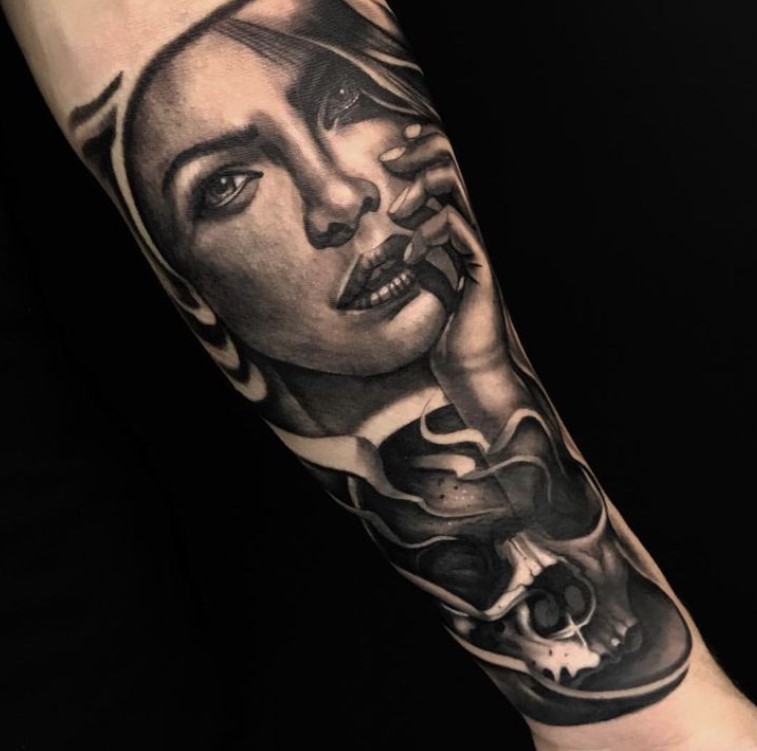
Understanding the Healing Process of Tattoos
The healing process of a tattoo is a critical phase that can influence the final appearance and longevity of the artwork on your skin. Understanding this process helps in effective aftercare and ensuring optimal results.
After getting a tattoo, the skin goes through several healing stages:
- Initial Healing (Days 1-7)
- Immediately after the tattooing, the skin may experience redness, swelling, and tenderness.
- For the first few days, it is crucial to keep the tattoo clean and moisturized to prevent infection.
- Bodily fluids like ink, plasma, and blood may seep from the tattoo, which is normal.
- Peeling Phase (Days 7-14)
- The tattoo may begin to flake and peel, similar to a sunburn.
- Avoid picking at the flakes to prevent scarring and maintain the integrity of the design.
- Moisturizers should be used to minimize itching and dryness during this stage.
- Final Healing (Days 14-30)
- The tattoo should gradually start looking clearer and more vibrant as the skin regenerates.
- Scabs, if any, will fall off naturally, revealing the final outcome.
- Skin may appear shiny initially but will eventually return to its normal texture.
Throughout this healing process, consider the following tips:
- Keep the tattoo covered during the first few hours based on the artist’s advice.
- Avoid excessive sun exposure; UV rays can damage the healing tattoo.
- Stay hydrated and maintain a balanced diet to promote skin recovery.
- Consult a professional if signs of infection, such as increased redness or pus, occur.
By understanding the stages of healing and following recommended aftercare, you can ensure that your tattoo heals properly, ultimately enhancing its beauty and durability.
Initial Cleaning Guidelines for Fresh Tattoos
Proper cleaning is crucial for the healing process of a new tattoo. Initial cleaning should take place immediately after removing the bandage, as this marks the first step in protecting your skin and ensuring optimal healing.
Step-by-Step Cleaning Process
Begin by thoroughly washing your hands with soap and water to prevent introducing any harmful bacteria to the tattooed area. Once your hands are clean, gently remove the bandage that was applied by your tattoo artist. If the bandage sticks, moisten it with warm water to ease the removal process.
After removing the bandage, rinse the tattoo under lukewarm water. It is essential to avoid hot or cold water as extreme temperatures can irritate the skin. Use your fingertips to lightly clean the tattooed area, avoiding any scrubbing or harsh movements. A fragrance-free, antibacterial soap is recommended for this purpose, as it will effectively clean the area without causing irritation.
Drying and Moisturizing
Once the tattoo is clean, gently pat the area dry with a clean, soft towel. Do not rub the tattoo, as this can cause damage to the healing skin. After drying, apply a thin layer of fragrance-free moisturizer or a specific tattoo aftercare ointment as recommended by your artist. This will help to hydrate the skin and create a barrier against contaminants.
Following these initial cleaning guidelines will set the stage for a successful healing process. Remember to continue keeping the tattoo clean and moisturized in the days to follow to ensure the best possible outcome.

Choosing the Right Moisturizer for Tattoo Care
Proper aftercare plays a crucial role in the healing process of a new tattoo, and selecting the right moisturizer is an essential component. The right product can enhance healing, maintain vibrancy, and prevent complications. When choosing a moisturizer, consider ingredients, texture, and skin sensitivity.
Key Ingredients to Look For
Opt for moisturizers that contain natural ingredients and avoid those with artificial fragrances or harsh chemicals. Look for products with aloe vera, which soothes and hydrates the skin, and shea butter, known for its deep moisturizing properties. Ingredients like essential fatty acids and vitamins A, C, and E promote skin repair and resilience. Additionally, a fragrance-free formula is ideal to minimize irritation during the healing process.
Texture and Application
The texture of the moisturizer can significantly affect its effectiveness. A thicker, ointment-like consistency may provide a protective barrier, while a lotion is easier to spread and absorb quickly. Consider your skin type; for oily skin, a lightweight lotion may suffice, while dry skin might benefit from a cream or ointment. When applying moisturizer, use clean hands to avoid introducing bacteria, and ensure a light, even layer that does not suffocate the tattoo.
Daily Cleaning Routine to Follow
Establishing a consistent daily cleaning routine for your new tattoo is crucial for ensuring proper healing and preventing infection. The following guidelines will help you maintain the cleanliness and integrity of your tattoo throughout the healing process.
Step-by-Step Cleaning Process
Follow these steps at least twice a day, or more frequently if recommended by your tattoo artist:
| Step | Instructions |
|---|---|
| 1. Wash Your Hands | Before touching your tattoo, thoroughly wash your hands with antibacterial soap to minimize the risk of introducing bacteria to the area. |
| 2. Clean the Tattoo | Use lukewarm water and a mild, unscented soap to gently cleanse the tattooed area. Avoid scrubbing; instead, use your fingertips to lightly wash away any residue. |
| 3. Rinse | Carefully rinse off all soap from the tattoo with lukewarm water. Make sure no soap residue remains, as it can irritate the fresh ink. |
| 4. Pat Dry | Using a clean paper towel, gently pat the tattoo dry. Avoid rubbing the area as it can cause damage to the skin. |
| 5. Apply Aftercare Product | Apply a thin layer of recommended aftercare ointment or lotion. Ensure to use products suggested by your tattoo artist to prevent adverse reactions. |
Additional Tips
In addition to the basic cleaning routine, consider the following:
- Avoid exposing your tattoo to direct sunlight, as UV rays can fade and damage the ink.
- Do not pick or scratch at the tattoo; this can lead to scarring and affect the final appearance.
- Keep an eye out for any unusual signs, such as excessive redness or swelling. If you notice anything concerning, consult a healthcare professional.
By adhering to this cleaning routine and incorporating these additional tips, you’ll help ensure a smooth and successful healing process for your new tattoo.
When to Avoid Soaking Your Tattoo
Soaking your tattoo can be tempting, especially during warm baths or swimming. However, it is crucial to avoid soaking your tattoo during specific periods to ensure proper healing and prevent complications. The first few weeks after getting a tattoo are critical, and exposure to excessive moisture can interfere with the healing process.
First Two Weeks Post-Tattoo
During the first two weeks, the tattooed area is highly sensitive and susceptible to infections. Soaking your tattoo in water, whether in a bath, pool, or hot tub, can introduce harmful bacteria, which may lead to inflammation or infections.
Additionally, excessive moisture can cause the tattoo to become overly soft, leading to potential fading or distortion. It is recommended to keep the tattoo clean and dry during this initial healing phase. Opt for quick showers instead of long baths, ensuring the tattoo is fully covered to avoid direct water exposure.
Signs of Healing Complications
If you notice any unusual symptoms such as prolonged redness, swelling, or discharge, it is advisable to avoid soaking the tattoo altogether. These signs may indicate an infection or allergic reaction that requires medical attention. Consult your tattoo artist or a healthcare professional for guidance before any further exposure to water.
In summary, to maintain the integrity of your new tattoo and support its healing, avoid soaking your tattoo in water for at least the first two weeks and consult a professional if complications arise.

Recognizing Signs of Infection After Tattooing
After getting a tattoo, it’s crucial to monitor the healing process closely. While some redness and swelling are normal, certain symptoms may indicate an infection. Recognizing these signs early can help prevent further complications and ensure proper healing.
Common Symptoms of Infection
One of the first signs of infection is increased redness around the tattooed area. Unlike the mild redness that typically appears right after getting inked, infected skin may become more vibrant and spread beyond the edges of the tattoo. Additionally, swelling may intensify rather than subside, leading to a puffy appearance.
Another key indicator is the presence of pus or any unusual discharge. Healthy healing skin should have minimal fluid. If you notice yellow, green, or foul-smelling discharge, this is a strong warning sign. Accompanying these symptoms, persistent pain that worsens over time rather than improving is another critical factor to consider.
Systemic Symptoms
In some cases, the effects of infection can manifest systemically. Fever or chills can indicate that the body is fighting an infection, especially if accompanied by any localized symptoms mentioned above. Lethargy or fatigue may also occur as the body diverts energy to combat the infection.
If you encounter any of these symptoms, it is important to seek medical advice promptly. Early intervention can significantly affect the healing outcome and reduce the risk of further complications.
How to Protect Your Tattoo from Sun Exposure
Protecting your tattoo from sun exposure is crucial for maintaining its vibrancy and preventing damage. Here are some effective strategies to ensure your ink stays fresh and vibrant:
- Use Sunscreen: Apply a broad-spectrum sunscreen with an SPF of 30 or higher on your tattooed skin. Choose a product that is water-resistant and free from harmful chemicals.
- Cover Up: Wear protective clothing, such as long sleeves or pants, whenever possible. Choose loose-fitting, breathable fabrics to allow your skin to breathe.
- Avoid Direct Sunlight: Try to stay in the shade, especially during peak sun hours (10 AM to 4 PM). Planning outdoor activities for early morning or late afternoon can minimize sun exposure.
- Use Protective Bandages: If you know you’ll be outdoors for an extended period, consider using a protective bandage or wrap specifically designed for tattoos. This adds an extra layer of protection.
- Moisturize: Keeping your tattoo moisturized helps it heal and reduces the risk of fading. Use a fragrance-free lotion or specialized tattoo aftercare products that offer hydration.
- Monitor Your Tattoo: Regularly check your tattoo for signs of fading or damage. If you notice any color loss, reevaluate your sun protection methods and consider seeing a professional.
By following these guidelines, you can effectively protect your tattoo from sun exposure and preserve its beauty for years to come.
Best Practices for Clothing Choices During Healing
Choosing the right clothing during the healing process of a tattoo is essential to ensure proper recovery and protection of the artwork. The fabric type, fit, and overall style can significantly impact healing.
Select Soft Fabrics: Always opt for soft, breathable materials like cotton or bamboo. These fabrics are less likely to irritate the sensitive skin around your new tattoo. Avoid synthetic materials that may trap moisture and create an environment conducive to bacteria growth.
Avoid Tight Clothing: Loose-fitting clothing is crucial during healing. Tight fabrics can rub against the tattoo, causing friction that may lead to irritation or even damage. Ensure that your attire allows for ample airflow and doesn’t cling to the tattooed area.
Dress Appropriately for the Weather: If it’s cold, choose layers that can be easily adjusted without putting pressure on the tattoo. In warmer weather, lighter clothing will help keep the area cool and prevent sweating, which can aggravate the healing process.
Color Considerations: Light-colored clothing is preferable, as darker colors may bleed dye onto the tattoo. This is particularly relevant in the early stages of healing when the skin is still volatile and susceptible to interactions with external materials.
Avoid Embellishments: Stay away from clothing with heavy embellishments, such as zippers, studs, or rough textures. These elements can come into contact with the tattoo, causing scratches and irritation during the healing phase.
Consider Bandaging: If advised by your tattoo artist, keep the tattoo covered with a breathable bandage or protective wrap. Ensure that your clothing accommodates this wrap without putting undue pressure on the healing tattoo.
By adhering to these practices, you can promote a smoother healing process and maintain the integrity of your new tattoo. Proper clothing choices contribute significantly to your comfort and the quality of the final result.
What to Avoid: Products and Activities
Proper aftercare is crucial for the healing process of your new tattoo. To ensure optimal healing and preserve the integrity of your artwork, avoid the following products and activities:
- Harsh Cleansers: Stay away from soaps and cleansers that contain sulfates, alcohol, or fragrances. These can irritate the skin and delay healing.
- Moisturizers with Fragrance: Avoid lotions and creams infused with extensive fragrances and chemicals, as they can cause allergic reactions and inflammation.
- Ointments with Petroleum: Products containing petroleum jelly may suffocate the skin and trap bacteria. Choose tattoo-specific aftercare products instead.
- Excessive Sun Exposure: Direct sunlight can cause fading and damage to your tattoo. Cover the tattoo with clothing or use a strong SPF once it is healed enough to be exposed.
- Submerging in Water: Avoid pools, hot tubs, and bathtubs during the initial healing phase. Standing water can introduce bacteria to the tattooed area.
- Scratching or Picking: Do not scratch or pick at scabs. This can lead to scarring and loss of ink. Let any scabs fall off naturally.
- Excessive Exercise: High-intensity workouts that lead to excessive sweating can irritate the tattoo. It’s best to refrain from strenuous activities in the early days.
- Wearing Tight Clothing: Tight garments can rub against the tattoo, causing irritation. Opt for loose-fitting clothing that allows the skin to breathe.
By avoiding these products and activities, you can help ensure a smooth healing process and maintain the quality of your tattoo for years to come.
Mastering the Art of Tattoo Touch-ups
Tattoo touch-ups are an essential part of maintaining the integrity and beauty of your ink. Over time, tattoos can fade, blur, or experience changes due to skin elasticity, sun exposure, or other environmental factors. Understanding when and how to conduct a touch-up can prolong the life of your tattoo and ensure it remains vibrant.
When to Consider a Touch-up
The ideal time for a touch-up typically falls between six months to a year after getting the tattoo. However, several signs indicate it may be time for a refresh:
- Fading colors or loss of vibrancy.
- Smudging or blurring of lines.
- Skin inconsistencies around the tattooed area.
Consulting with a professional tattoo artist can provide clarity on the necessity of a touch-up based on the specific condition of the tattoo.
Touch-up Process
The process for a touch-up is similar to the original tattoo application but with some considerations:
- Skin preparation is crucial; ensuring the area is clean and moisturized is essential.
- A skilled artist will evaluate the original design and make necessary adjustments to enhance it.
| Step | Description |
|---|---|
| 1. Consultation | Discuss desired outcomes and evaluate the current state of the tattoo. |
| 2. Skin Preparation | Clean the area and may apply a numbing agent if necessary. |
| 3. Touch-up Application | Reapply ink to faded areas, following the original design closely. |
| 4. Aftercare | Follow aftercare instructions to ensure proper healing and vibrant color retention. |
By following these guidelines for tattoo touch-ups, you can maintain the quality of your tattoo for years to come. Regular upkeep not only enhances the appearance but also shows respect for the artistry that went into your unique piece of body art.
Long-term Tattoo Maintenance Tips
To ensure your tattoo retains its vibrancy and clarity over time, regular and proper maintenance is essential. One of the most important aspects of long-term care is consistent moisturizing. Use a fragrance-free lotion or a specialized tattoo moisturizer to keep the skin hydrated and prevent fading.
Sun protection is another critical factor. UV rays can significantly affect the appearance of tattoos, causing them to fade. Always apply a broad-spectrum sunscreen with a high SPF to your tattoos when exposed to sunlight. Wearing protective clothing or seeking shade can also help preserve the integrity of your ink.
Regular cleansing is vital for maintaining skin health and the appearance of your tattoo. Use mild, unscented soap to wash the area daily. Gently pat the tattoo dry with a clean towel, avoiding any friction that could irritate the skin.
Stay hydrated by drinking plenty of water. Proper hydration maintains skin elasticity and overall health, contributing to the long-term appearance of your tattoo.
Avoid activities that could cause excessive friction or abrasion on the tattooed area, such as wearing tight clothing or heavy jewelry. Likewise, refrain from prolonged soaking in pools, hot tubs, or the ocean, as saltwater and chlorine can lead to fading.
Regularly check your tattoo for signs of fading or discoloration. If you notice any issues, consider consulting a professional tattoo artist for advice on touch-ups and maintenance options. Annual touch-ups can refresh the colors and outlines of your tattoo, ensuring it looks its best over the years.
Lastly, consider your overall health, as it plays a significant role in skin quality. A balanced diet rich in vitamins and minerals supports skin regeneration and can help maintain your tattoo’s appearance for the long haul.
Q&A: Recommended Protocols for Tattoo Aftercare
What should I avoid doing with my new tattoo during the healing process?
It’s important to avoid several actions to ensure your tattoo heals properly. Firstly, refrain from picking or scratching the tattooed area, as this can lead to scarring or loss of color. Secondly, avoid exposing your tattoo to direct sunlight or tanning beds, as UV rays can fade the ink. Swimming in pools, hot tubs, or open water should also be avoided, as they can introduce bacteria and irritants to the fresh ink. Lastly, be cautious with clothing; opt for loose-fitting garments that won’t rub against the tattoo.
How often should I moisturize my tattoo while it heals?
You should apply a thin layer of fragrance-free moisturizer or a specialized tattoo aftercare ointment to your tattoo several times a day. Typically, moisturizing two to three times per day is sufficient. Make sure to apply it only after washing the area gently with mild soap and patting it dry. Keeping your tattoo moisturized helps prevent excessive dryness and flaking, which can affect the appearance of your tattoo.
Can I workout or engage in physical activities after getting a tattoo?
It’s advisable to avoid intense workouts or physical activities for at least a few days after getting a tattoo. Sweating can irritate the tattoo and introduce bacteria into the healing skin. If you do choose to exercise, opt for lighter activities that don’t involve excessive sweating or friction on the tattooed area. Additionally, make sure to wash the area thoroughly afterward to prevent any risk of infection.
When can I tell if my tattoo is healing properly?
During the healing process, you should notice that your tattoo goes through stages of healing. Initially, the tattoo may appear red and swollen, which is normal. After a few days, the redness should decrease, and you may begin to see flaking and peeling as the skin starts to heal. As the healing progresses, the colors should start to settle down and look more vibrant. If you notice excessive redness, swelling, or any unusual discharge, it may indicate an infection, and you should consult a healthcare professional.
How long does the healing process for a tattoo typically take?
The healing process for a tattoo generally takes about 2 to 4 weeks for the skin to surface heal, but it can take up to several months for the deeper layers of skin to fully recover. During the first week, the tattoo should maintain some swelling and redness; by the second week, much of the surface healing should be complete, but slight peeling and itching may still occur. After about a month, most tattoos will appear healed, but it’s important to continue caring for the tattoo properly to ensure long-lasting vibrancy.
What should I avoid applying on my tattoo during the healing process?
It’s important to avoid applying products that contain alcohol, fragrance, or harsh chemicals. These ingredients can irritate the skin and interfere with the healing process. Additionally, avoid heavy ointments like petroleum jelly, as these can clog pores and create a breeding ground for bacteria. Instead, opt for products specifically designed for tattoo aftercare that are gentle and moisturizing, such as fragrance-free lotions or tattoo-specific balms.
Trendy Tattoo Artist in Chicago is not just a title, but a promise that your new piece of art will be stylish, relevant, and executed using the most cutting-edge techniques.


