
Tattoo and Piercing Shops Near Me are being actively explored by many individuals as body art has surged in popularity in recent years. Choosing a reputable establishment can significantly impact your overall experience, from the quality of the art to the safety of the procedures. Therefore, understanding how to navigate these options is essential for anyone looking to enhance their personal expression through body modifications.
When seeking the ideal tattoo or piercing shop, it is crucial to consider several factors. Start by researching local shops online, reading customer reviews, and examining their portfolios. This due diligence will provide valuable insight into the skill level of the artists and the hygiene practices of the establishment. Additionally, it may be beneficial to visit the shops in person, allowing you to gauge their atmosphere and professionalism firsthand.
Moreover, communication plays a vital role in ensuring that your vision is accurately realized. When consulting with artists, be clear about your ideas and ask questions about the process, healing, and aftercare. This ensures you are fully informed and comfortable with your decision, ultimately leading to a more satisfying experience. With these guidelines, you can confidently select a tattoo or piercing shop that aligns with your expectations and artistic desires.

How to Find Reputable Tattoo Shops Nearby
Finding a reputable tattoo shop is crucial to ensure you receive quality work in a safe environment. Here are some steps to guide you in your search:
1. Research Online
Start by using online search engines and mapping services to find tattoo shops in your area. Look for the following:
- Google Maps: Search for tattoo shops and read customer reviews.
- Social Media: Check platforms like Instagram and Facebook for artists’ portfolios and client feedback.
- Review Websites: Websites such as Yelp or Trustpilot can provide insights into customer experiences.
2. Visit the Shops
After narrowing down your options, visit the shops in person. Consider the following:
- Cleanliness: Ensure that the shop maintains high hygiene standards.
- Staff Behavior: Observe how the staff interacts with customers and whether they address your queries respectfully.
- Portfolio: Look at artists’ portfolios to assess their styles and skills.
When looking for a tattoo shop, trust your instincts. If something doesn’t feel right, don’t hesitate to explore other options.
Identifying Skilled Artists in Your Area
Finding a skilled tattoo or piercing artist is crucial for ensuring a safe and satisfying experience. Here are steps to help you identify talented professionals near you:
Research and Recommendations
Begin by gathering information from various sources:
- Online Reviews: Check platforms like Yelp, Google Reviews, and social media for customer feedback.
- Word of Mouth: Ask friends or family members who have tattoos or piercings for their recommendations.
- Artist Portfolios: Visit artists’ websites or social media pages to view their previous work, paying attention to quality and style consistency.
Evaluating the Studio Environment
Once you have a shortlist of potential artists, visit their studios to assess the following:
- Cleanliness: A professional studio should maintain high hygiene standards, with sanitized equipment and a clean working environment.
- Professionalism: Observe how staff and artists interact with clients. They should be friendly, attentive, and willing to address concerns.
- Certification and Licensing: Ensure that the artists have the necessary licenses and certifications required by your local health department.
Don’t hesitate to consult multiple artists before making a decision. The right artist will make you feel comfortable and confident in your choice.
Understanding Tattoo and Piercing Aftercare Instructions
Aftercare is crucial for the healing process of tattoos and piercings, as it helps prevent infections and ensures the longevity of your body art. Adhering to aftercare instructions can significantly impact the final appearance of your tattoo or piercing. Below are essential guidelines to follow for effective aftercare.
For tattoos, the initial healing period typically lasts between 2 to 3 weeks. Immediately after getting a tattoo, your artist will cover it with a bandage or plastic wrap. Keep this covering on for at least a few hours, or as directed by your tattoo artist. When you remove it, gently wash the area with mild, unscented soap and lukewarm water. Pat the tattoo dry with a clean paper towel; do not rub it.
Apply a thin layer of fragrance-free moisturizer or a specialized tattoo aftercare ointment to keep the skin hydrated. It’s essential to avoid heavy lotions or petroleum jelly, as they can suffocate the healing skin. Repeat the washing and moisturizing process 2 to 3 times a day until the tattoo heals.
Avoid soaking the tattoo in water, such as in baths or swimming pools, for at least two weeks. Exposure to water can lead to fading and an increased risk of infection. Additionally, refrain from direct sunlight; SPF protection should be applied once the tattoo has fully healed to maintain its vibrancy.
For piercings, aftercare usually involves cleaning the area with saline solution or a suitable piercing cleanser. Clean the piercing twice a day, using a cotton ball or swab for application. Avoid touching or twisting the jewelry, as this can irritate the piercing and hinder the healing process.
Do not remove, change, or replace the jewelry until the piercing has fully healed, which can take anywhere from a few weeks to several months, depending on the type of piercing. Avoid exposing the piercing to unclean water, and refrain from using makeup or other cosmetic products on or around the area during the initial healing phase.
It is also important to monitor your tattoo or piercing for signs of infection, such as excessive redness, swelling, or discharge. If you experience any concerning symptoms, consult a healthcare professional or your tattoo/piercing artist for guidance.
By following these aftercare instructions diligently, you can ensure a smooth healing process and enjoy your tattoo or piercing for years to come.

Exploring Different Tattoo Styles Offered Locally
When seeking a tattoo, understanding the diverse styles available can enhance the decision-making process. Local tattoo shops offer a variety of artistic expressions that cater to individual preferences. Each style has its own unique characteristics, themes, and cultural significance.
Traditional Tattoos
Traditional tattoos, often referred to as Old School, are characterized by bold outlines and a limited color palette. Common themes include nautical imagery, roses, skulls, and pin-up girls. This style emphasizes clarity and longevity, making it ideal for those who appreciate classic tattoo art.
Realistic Tattoos
Realistic tattoos aim to replicate lifelike images, often depicting portraits of loved ones, animals, or intricate nature scenes. This style requires exceptional skill and attention to detail, as the goal is to create a three-dimensional appearance on flat skin. Local artists specialized in realism can transform photographs into remarkable tattoo art.
Comparing Prices of Tattoos and Piercings in Your Location
When considering a tattoo or piercing, one of the crucial factors to weigh is price. Each shop may have different pricing based on various factors, including the artist’s skill level, shop reputation, and the complexity of the design or procedure. Start by researching multiple studios in your vicinity to gather a broad understanding of their pricing structures.
Begin your comparison by checking the standard rates for common tattoo sizes and styles. Most shops will have a basic hourly rate, which can range significantly. For instance, simpler tattoos may be priced around $50 to $150, while larger and more intricate designs can exceed $500 or more. For piercings, costs typically range from $30 to $100, depending on the type of piercing and jewelry chosen.
Visit the websites or social media profiles of local tattoo and piercing shops to find their pricing information. Many shops post their menus online, which allows for easy comparison. Pay attention not only to the base prices but also to any additional fees, such as for consultation, aftercare products, or jewelry upgrades.
Don’t forget to inquire about promotions or discounts available at different times of the year. Some shops offer special rates for new customers or during specific events. If you are considering multiple pieces, ask about package deals that may lower the overall cost.
It is also essential to consider that the lowest price does not always equate to the best deal. A reputable tattoo artist with higher rates may provide better quality work and a safer experience than a budget option. Look for reviews and testimonials to assess the overall value offered by each shop.
Lastly, be aware that prices can fluctuate based on your locale. Urban areas often have higher costs due to increased overhead, while smaller towns might offer more competitive rates. Consider all these aspects before making your final decision to ensure you receive a service that meets both your artistic desires and budget.
Assessing the Cleanliness and Safety Standards of Shops
When selecting a tattoo or piercing shop, it is paramount to evaluate their cleanliness and safety standards. Proper hygiene practices not only ensure your safety but also contribute to a positive overall experience. Here are key factors to consider:
Visual Inspection
Upon entering a shop, a thorough visual inspection is essential. Look for the following:
- Clean and organized workstations
- Sanitation supplies readily available, such as soap and hand sanitizer
- Proper waste disposal methods for used materials
Safety Protocols
Inquire about the shop’s safety protocols. A reputable shop will have stringent measures in place, including:
- Use of disposable, single-use tools whenever possible
- Regular sterilization of reusable equipment
- Trained and certified staff in infection control
| Safety Measure | Importance |
|---|---|
| Face Masks | Reduces transmission of airborne pathogens |
| Gloves | Prevents cross-contamination during procedures |
| Autoclave Use | Guarantees sterilization of tools and equipment |
| Emergency Procedures | Ensures quick response to any adverse reactions |
Don’t hesitate to ask the staff about their sanitation practices, certifications, and any other relevant safety measures. A shop that prioritizes cleanliness will be transparent about their processes and happy to address any concerns. Taking these steps can help ensure a safe and enjoyable tattoo or piercing experience.
What to Expect During Your First Tattoo or Piercing Appointment
Your first tattoo or piercing appointment can be an exciting yet nerve-wracking experience. Understanding what to expect can help ease anxiety and ensure a smooth process. Here’s a breakdown of the steps and what you might encounter.
Before the Appointment
Preparation is key to a successful appointment. Consider the following:
- Research the Studio: Look for reviews and check the cleanliness and professionalism of the shop.
- Consultation: Schedule a consultation to discuss your design ideas or piercing choices and address any questions.
- Health Considerations: Ensure you’re in good health. Avoid alcohol and drugs prior to the appointment.
During the Appointment
When you arrive at the studio, you can expect the following process:
- Signing a Waiver: You’ll need to sign a consent form that acknowledges the risks involved.
- Discussion: The artist will go over your design or the type of piercing, making any necessary adjustments.
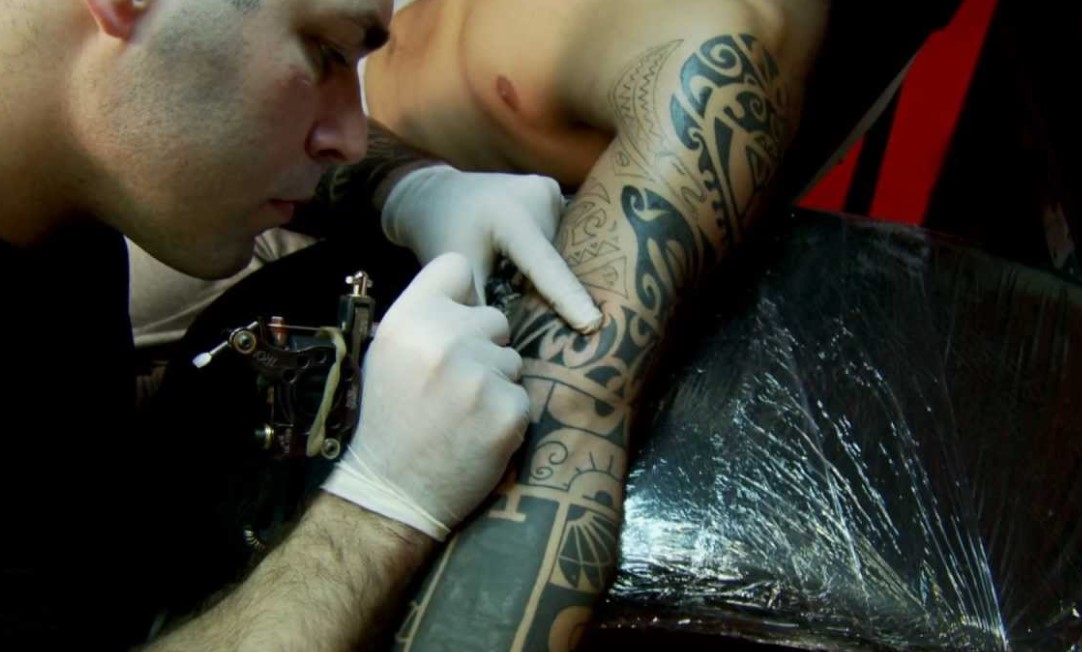
- Preparation: The artist will sanitize the area and gather tools. You will also be asked to sit or lie in a comfortable position.
- Tattooing or Piercing: For tattoos, the artist will outline the design before filling it in. For piercings, they will measure and mark the area accurately.
- Aftercare Instructions: Once completed, the artist will provide detailed care instructions to ensure proper healing.
Remember to relax, communicate openly with your artist, and enjoy the experience! Your first tattoo or piercing is a personal milestone, and being well-prepared can make it memorable for all the right reasons.
Evaluating Customer Reviews for Local Tattoo and Piercing Shops
When searching for the right tattoo or piercing shop, evaluating customer reviews is crucial in making an informed decision. Reviews can provide insights into the quality of artistry, professionalism, and overall customer experience. Begin by aggregating reviews from multiple platforms such as Google, Yelp, and social media to get a well-rounded perspective.
Analyzing Overall Ratings
Start by looking at the overall star ratings of the shops. High ratings often indicate consistent customer satisfaction, but consider the number of reviews as well. A shop with a high rating and few reviews may not be as reliable as one with a moderate rating and a larger number of customer testimonies. Look for patterns in the ratings over time; a recent influx of negative reviews could signal issues that were previously unnoticed.
Reading Detailed Feedback
In addition to numerical ratings, detailed comments from customers provide valuable context. Pay attention to specific mentions of the artists’ skills, cleanliness of the shop, and the professionalism of the staff. Positive reviews that highlight a memorable experience with an artist suggest a level of trust and expertise. Conversely, negative feedback regarding hygiene practices or customer service should raise red flags.
Moreover, consider the frequency of similar complaints or praises. If multiple reviewers mention the same artist or service, it could indicate a recurring strength or weakness. Remember to weigh the credibility of the reviews; personal anecdotes can be subjective, but they often reveal essential truths about the shop’s atmosphere and practices.
Checking for Licensing and Certifications of Artists
When selecting a tattoo or piercing shop, it is essential to verify the licensing and certifications of the artists. This ensures that you are receiving services from professionals who adhere to industry standards and health regulations.
First, check if the shop and its artists possess the proper licenses required by your local or state regulations. Many regions mandate that tattoo artists and piercers obtain specific licenses to operate legally. You can usually find this information on the shop’s website or by inquiring directly with the staff.
Next, look for certifications related to health and safety training, such as bloodborne pathogens training and CPR certification. These credentials demonstrate that the artist is knowledgeable about hygiene practices and emergency procedures, which are critical for ensuring a safe environment during the tattooing or piercing process.
Moreover, consider asking about the artist’s education and apprenticeship history. A reputable artist often completes a formal training program or an apprenticeship under a seasoned professional. This experience not only enhances their technical skills but also provides them with a deeper understanding of art and client care.
Lastly, don’t hesitate to request to see copies of any licenses or certifications the artist holds. A professional will be willing to provide this information, as it reflects their commitment to transparency and customer safety. By ensuring that your chosen artist is properly licensed and certified, you not only protect yourself but also contribute to a reputable industry standard.
Finding Shops That Offer Custom Tattoo Designs
When seeking a tattoo shop that specializes in custom designs, it’s important to consider several factors to ensure you receive a unique and meaningful artwork. Start by researching local shops that have a solid reputation for quality and creativity. Many tattoo artists have their portfolios available online, showcasing their previous work, which can help guide your decision.
Steps to Identify Quality Custom Tattoo Shops
Follow these steps to find shops that can create personalized tattoo designs for you:
- Read Reviews: Look for reviews on platforms like Google, Yelp, and social media to understand customer experiences.
- Visit Websites: Browse shops’ websites to see their portfolios and the range of styles they offer.
- Consultations: Many shops offer consultations where you can discuss your ideas and see how they might turn them into a design.
Key Considerations
While finding the right shop, keep these considerations in mind:
| Factor | Details |
|---|---|
| Artist Experience | Look for artists with a strong background in custom work and relevant style expertise. |
| Hygiene Standards | Ensure the shop follows strict sanitation practices to guarantee your safety during the procedure. |
| Communication | Good communication with your artist is crucial; they should understand your vision and preferences. |
By taking these steps and considerations into account, you can confidently find a tattoo shop that offers custom designs tailored to your ideas and preferences.
Understanding the Tattoo Removal Options Available Nearby
Tattoo removal has become increasingly popular as people seek to modify or eliminate unwanted ink. Various methods are offered at tattoo and piercing shops or specialized clinics in your vicinity. Understanding these options allows you to make an informed decision tailored to your needs.
The most common method for tattoo removal is laser treatment. This procedure uses high-intensity light beams to target and break down the ink particles in the skin. The effectiveness of laser removal often depends on the ink type, tattoo age, and skin type. Multiple sessions may be required to achieve desired results, and some clinics may offer consultations to evaluate your specific tattoo.
Another option is surgical excision, which involves removing the skin containing the tattoo and stitching the surrounding skin together. This method can be effective for small tattoos and results in some scarring. It is crucial to consult a professional to understand the risks and benefits associated with this approach.
For smaller tattoos, chemical peels or dermabrasion can be considered. Chemical peels involve applying a solution that causes the top layers of skin to slough off, helping to fade the tattoo. Dermabrasion involves mechanically exfoliating the skin to remove the tattoo. Both methods can also lead to scarring and are typically less effective than laser treatment.
It’s important to research facilities nearby that offer these services. Read reviews, ask for recommendations, and inquire about the qualifications of the staff. A thorough consultation with a professional can help you understand the best method for your specific case and what to expect in terms of results and recovery.
In summary, options for tattoo removal range from laser treatment to surgical excision and dermabrasion. Each method has its pros and cons, making it essential to evaluate what aligns best with your expectations and skin type. Take the time to explore local possibilities, ensuring you choose a reputable service provider for the best outcome.
Q&A – Tattoo and Piercing Shops Near Me:
What should I consider when choosing a tattoo shop near me?
When selecting a tattoo shop, it’s wise to review the shop’s hygiene standards, the skills and portfolios of the artists, and customer reviews. Look for shops that prioritize cleanliness and proper sanitization practices. Artists should have a portfolio showcasing their style and competence, aligning with your vision. Additionally, checking online reviews can provide insights into the experiences of previous clients, helping you to make an informed choice.
How can I find reputable piercing shops in my area?
To find reputable piercing shops nearby, start by asking for recommendations from friends or family who have had positive experiences. You can also search online for shops and read reviews on platforms like Google or Yelp. Pay attention to shops that display their certifications and adhere to health and safety regulations. Visiting the shop in person can help you gauge the environment and quality of service before committing to a procedure.
What is the typical healing time for tattoos and piercings?
Tattoo healing generally takes about 2 to 4 weeks for the surface to heal, but full healing can take up to several months depending on the size and placement. Piercings vary widely: earlobe piercings usually heal in 6 to 8 weeks, while cartilage piercings may take 3 to 6 months or longer. Proper aftercare is crucial for both tattoos and piercings to ensure they heal without complications or infections.
What kind of aftercare is needed for new tattoos and piercings?
After getting a tattoo, it’s important to keep the area clean and moisturized. Follow your artist’s aftercare instructions, which generally include avoiding sun exposure, swimming, and excessive sweating during the initial healing period. For piercings, cleaning with a saline solution and avoiding touching or changing jewelry too soon is essential. Again, follow the recommendations of the professional who performed the procedure to promote healing and avoid infection.
Are there any health concerns associated with tattoos and piercings?
Yes, there are potential health concerns with tattoos and piercings. Infections can occur if equipment is not properly sterilized or if aftercare instructions are not followed. Allergic reactions to ink or jewelry materials can also happen. It’s advisable to choose a reputable shop that follows safety protocols and to communicate any known allergies to your artist or piercer before your procedure.
What should I consider before getting a tattoo or piercing?
Before getting a tattoo or piercing, it’s important to think about several factors. First, research the design or placement you want; this is a permanent decision and should reflect your personal taste. Next, look into the shop’s reputation—read reviews or ask for recommendations to ensure you choose a safe and clean environment. Check the artist’s portfolio to see their previous work and find a style that resonates with you. Additionally, consider any potential health risks and discuss them with the artist. Lastly, think about aftercare requirements, as proper maintenance is crucial for healing.
How do I find a reputable tattoo or piercing shop near me?
Finding a reputable tattoo or piercing shop nearby can be straightforward if you take the right steps. Start by searching online for shops in your area and read reviews on platforms like Google or Yelp. Look for shops that are well-reviewed for cleanliness, customer service, and quality of work. You may also want to ask friends or acquaintances for their experiences and recommendations. When you’ve narrowed down your options, visit the shops in person if possible. Pay attention to the ambiance, the hygiene practices, and how friendly and professional the staff appear. A good shop will be open to answering your questions and addressing any concerns you may have.
Trendy Tattoo Artist in Chicago is not just a title, but a promise that your new piece of art will be stylish, relevant, and executed using the most cutting-edge techniques.


