
Tattoo Shop selection requires arming yourself with essential information that can help ensure a positive experience, as deciding to get a tattoo is a significant step that requires careful consideration and planning. Before stepping into a specific studio, it is crucial to understand various factors such as artists’ portfolios, sanitation practices, and pricing, as these elements can significantly influence your decision.
Firstly, it is vital to research the tattoo artists in your area. Take the time to review their portfolios, as each artist has a unique style and specialization. Look for examples of their previous work to see if their artistic approach aligns with your vision. Reading client testimonials can also provide insight into their professionalism and skill level.
Secondly, hygiene and sanitation standards should be a top priority when choosing a tattoo shop. A reputable studio should follow strict guidelines for cleanliness, including the use of sterilized equipment and disposable materials. Ensure that the shop has a valid health license, and don’t hesitate to ask questions regarding their sanitation practices.
Pricing is another critical aspect to consider. While it may be tempting to choose the cheapest option, keep in mind that quality often comes at a price. Discuss the cost upfront and inquire about any additional fees that may arise during the process, ensuring you have a clear understanding of the overall investment involved.
Arming yourself with this essential information can help you make an informed decision and ultimately lead to a rewarding tattoo experience. Take the time to prepare adequately, and you will be one step closer to acquiring the body art you’ve always wanted.
Choosing the Right Tattoo Shop for Your Style
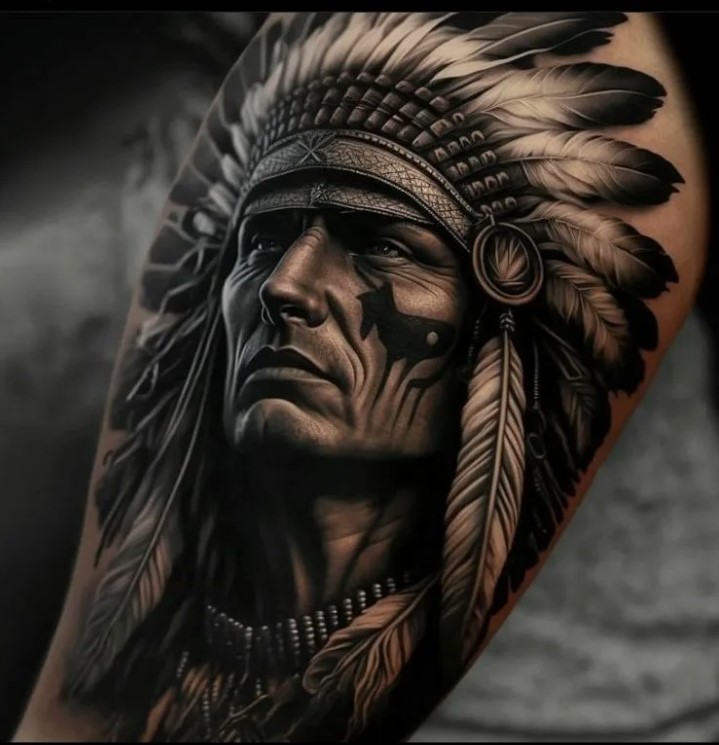
Selecting a tattoo shop that aligns with your style is crucial in ensuring you receive a piece of art that meets your expectations. Start by identifying the specific type of tattoo you desire–whether it’s traditional, realistic, watercolor, geometric, or minimalist. Not all shops specialize in every style, so researching those that cater to your preferences is essential.
Researching Artists and Their Portfolios
Once you have a style in mind, look into the portfolios of the tattoo artists at various shops. A good portfolio showcases not only completed tattoos but also the artist’s range, skill level, and experience with your desired style. Pay attention to the details, including line work, shading, and color application. This can give you a feel for the artist’s technique and whether it resonates with your vision.
Visiting the Shop and Considering the Atmosphere
Visiting the shop in person is an important step. Notice the overall cleanliness, the professionalism of the staff, and whether the atmosphere feels welcoming. A tattoo shop should prioritize hygiene and safety, adhering to proper sterilization and health protocols. Engaging with the artists and staff can provide insights into their approach to customer care and creativity. A good rapport with your chosen artist can also enhance the overall experience, making it more enjoyable and less stressful.
In conclusion, choosing the right tattoo shop involves a combination of research, understanding your style, reviewing artist portfolios, and evaluating the shop environment. Take your time to find the perfect match for your tattoo journey.
Understanding Tattoo Artist Portfolios and Specialties
When selecting a tattoo artist, examining their portfolio is crucial. A portfolio showcases an artist’s skills, creativity, and style, helping you determine if they are the right fit for your vision. Pay attention to the variety of designs presented, as well as the level of detail and precision. Look for consistency in the quality of their work; an artist should demonstrate the ability to execute designs at a high level across various styles and sizes.
Identifying Specialties
Tattoo artists often specialize in specific styles, such as traditional, realism, neo-traditional, or illustrative. Identifying these specialties can guide your choice based on your personal preferences. For instance, if you desire a watercolor tattoo, seek out artists known for this specific technique. Moreover, some artists excel in specific themes like portraits, floral designs, or abstract art, so understanding their specialties can help ensure your tattoo is executed by someone who is most skilled in that area.
Quality Over Quantity
While a large portfolio may seem impressive, focus on the quality of the work rather than the number of pieces. Examine the finished tattoos for clean lines, even shading, and overall composition. Additionally, reading client reviews and feedback can provide insight into the artist’s professionalism and ability to collaborate effectively with clients to achieve their desired outcomes. Ultimately, finding an artist whose portfolio resonates with your aesthetic and who has a proven track record of meeting client expectations will enhance your tattoo experience.
Researching Health and Safety Standards in Tattoo Shops
When considering a visit to a tattoo shop, it is crucial to understand the health and safety standards that are in place to protect both clients and artists. Here are key factors to research:
- Licensing Requirements: Verify if the tattoo shop and its artists hold the necessary licenses mandated by local health authorities. Each state or country may have specific regulations that govern the operation of tattoo facilities.
- Studio Cleanliness: Assess the hygiene of the workspace. A professional tattoo shop should maintain a clean environment, with organized workstations and sanitization procedures. Pay attention to:
- Clean floors and surfaces
- Proper disposal of waste materials
- Use of barriers, like disposable covers on chairs and tattoo machines
- Use of Sterilized Equipment: Confirm that the shop uses single-use, sterilized needles and that all reusable tools are properly sterilized using an autoclave. Ask about their sterilization processes and practices.
- Health Certifications: Look for certifications that demonstrate compliance with health regulations, such as Bloodborne Pathogens training. These credentials indicate that the artists are educated on safe practices.
- Client Safety Procedures: Inquire about the studio’s protocols for client safety, particularly concerning:
- Skin testing for allergies
- Handwashing and use of gloves
- Aftercare guidelines to prevent infections
- Reviews and Testimonials: Research online reviews and seek feedback from previous clients. Focus on comments regarding safety practices, client experiences, and any reported health issues.
- Staff Training and Experience: Ensure that the artists are well-trained and experienced. A reputable shop should provide information about their team’s qualifications and continuing education in health and safety.
By thoroughly researching health and safety standards, you can make an informed decision and ensure a safe and positive tattoo experience.
Preparing Questions to Ask Your Tattoo Artist
Before getting a tattoo, it’s essential to ask your artist questions to ensure a positive experience and satisfactory results. Start by inquiring about the artist’s experience and portfolio. Ask how long they have been tattooing and if they specialize in specific styles. Reviewing their previous work can provide insight into their skill set and artistic vision.
Next, discuss the design you have in mind. Ask for their input on how your idea can be improved or adjusted for better application on the skin. Seek clarification on size, placement, and color options. Understanding how the design will translate onto your body is crucial.
Inquire about the tattooing process itself. Questions about the techniques they use, the equipment involved, and the types of inks are important. You should understand what to expect during the session, including duration and potential discomfort. Additionally, ask about their sanitation practices to ensure a safe environment.
Don’t forget to discuss aftercare. Ask what steps you should take to care for your tattoo once it’s done to promote healing and maintain its appearance. Clarify how long healing typically takes and what signs of infection to watch for.
Finally, discuss pricing and payment policies. Understand the total cost, any deposit requirements, and cancellation policies. This information will help you plan financially and avoid surprises on the day of your appointment.
Determining Your Tattoo Budget and Cost Factors
When planning to get a tattoo, one of the most crucial steps is determining your budget. Tattoos can vary significantly in price, influenced by several key factors. Understanding these can help ensure you have realistic expectations and can find an artist that fits within your financial plans.
Factors Influencing Tattoo Costs
The cost of a tattoo is typically influenced by the artist’s experience and reputation. Renowned artists with a strong portfolio may charge more due to high demand and their established skills. Additionally, the complexity and size of the design play a vital role. Intricate designs with fine details often take more time and expertise, which can increase the overall price.
Other factors include the location of the tattoo on the body and the time required to complete the work. Larger tattoos or those that cover a bigger area will naturally be more expensive. It’s also essential to consider the studio’s location, as prices may vary by region. Urban studios might charge a premium compared to rural ones due to higher operational costs.
Setting Your Tattoo Budget
To set your budget effectively, first, research average prices in your area and for similar styles. This will give you a baseline to work from. Consider how much you’re willing to pay and remember to factor in tips for the artist, which usually range between 15-20% of the total cost. It’s advisable to save a little extra beyond your initial budget to accommodate any unexpected costs that might arise.
Ultimately, being clear about your budget from the beginning will allow you to communicate better with your chosen artist and ensure that your tattoo experience is positive and fulfilling.
Scheduling a Consultation: What to Expect
Scheduling a consultation is a crucial step before getting a tattoo. During this meeting, you will discuss your tattoo idea, design preferences, and placement with the artist. It is also an opportunity to gauge the artist’s expertise and approach. Here’s what you can typically expect during a consultation:
| Aspect | Description |
|---|---|
| Initial Discussion | The artist will ask questions about your design, including size, style, colors, and inspiration. Be prepared to share reference images or sketches if you have them. |
| Design Input | Your artist will give feedback on your ideas, suggesting any modifications for better fit and practicality. This may include discussing tattoo placement based on your body’s contours. |
| Pricing Estimate | The artist should provide an estimate based on the complexity, size, and duration of the tattoo. Be clear on what is included in the price, such as touch-ups or consultations. |
| Hygiene Practices | The consultation is a good time to inquire about the shop’s hygiene standards and safety measures, including sterilization of tools and the use of disposable supplies. |
| Aftercare Information | The artist will explain aftercare procedures that are critical for healing and preserving the tattoo’s quality. Take notes or ask for written instructions. |
| Scheduling the Appointment | If you feel comfortable with the artist and their proposals, you can schedule your tattoo appointment during this consultation. |
Overall, a consultation is a valuable opportunity to establish a rapport with your tattoo artist, clarify your vision, and ensure a smooth tattooing process. Prepare questions and bring any materials that might help communicate your ideas effectively.
Considering Placement and Size for Your Tattoo
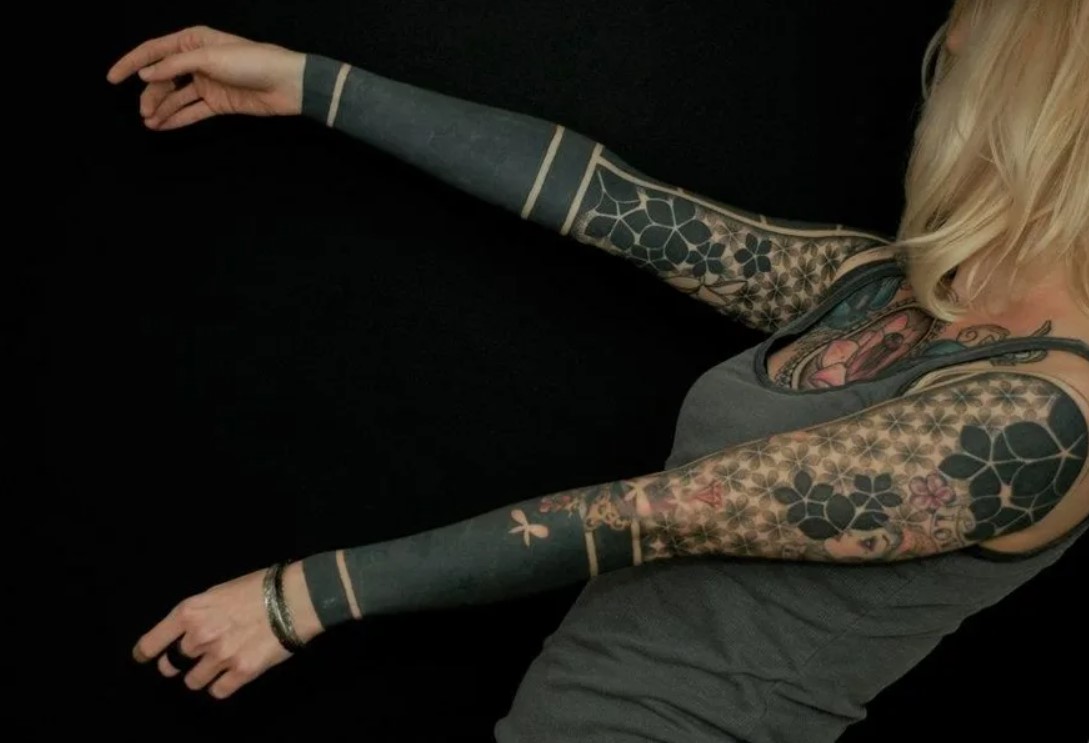
Choosing the placement and size of your tattoo is a critical aspect of the tattooing process that can significantly influence the overall outcome. The right choice will enhance the visual appeal and can impact personal comfort and the longevity of the artwork.
When it comes to placement, consider how visible you want your tattoo to be. Areas such as the forearm, wrist, and ankle are more exposed, while spots like the back or thighs offer more privacy. Think about your lifestyle and professional environment; some workplaces may have restrictive policies regarding visible tattoos.
Body anatomy also plays a crucial role in the placement decision. Tattoos may distort or fade differently based on the elasticity and thickness of the skin in various areas. For instance, inner arms or thighs may be more sensitive and require a different pain tolerance level, while areas with more muscle and fat might feel less intense during the tattooing process.
Size is another essential factor. A larger tattoo allows for more intricate designs and detail, but it also requires more commitment in terms of time and care during the healing process. Conversely, small tattoos can be subtle and easily hidden, but they may limit the complexity of the design. Think about what size aligns with your vision and intention for the tattoo.
It’s also wise to consult with your tattoo artist regarding placement and size. They can provide insights based on their experience and artistic expertise, helping you find the best fit for your body and design concept. A skilled artist can also help sketch your design in the intended location, providing a clearer perspective of how it will look once completed.
In summary, careful consideration of the placement and size of your tattoo will ensure a satisfactory result that aligns with your personal style and preferences. Take your time in making these decisions to enhance your overall tattoo experience.
Understanding the Tattooing Process: Step-by-Step
The tattooing process can seem daunting to those unfamiliar with it. However, understanding each step can help alleviate concerns and enhance the overall experience. Here’s a detailed breakdown.
1. Consultation: The process begins with a consultation between you and the tattoo artist. During this discussion, you’ll share your design ideas, placement preferences, and ask any questions. The artist may offer suggestions based on their expertise and your skin type.
2. Design Preparation: Once the concept is established, the artist will create a stencil or sketch of the tattoo. This might be a freehand drawing or a printed design. You will have the opportunity to review and make adjustments before moving forward.
3. Skin Preparation: Before applying the tattoo, the artist will clean the skin area using antiseptic wipes to minimize the risk of infection. They may also shave the area to ensure smooth application if necessary.
4. Stenciling: After the skin is prepped, the artist applies the stencil. This step acts as a guide for the tattoo design, ensuring accuracy during the needlework.
5. Tattooing: With the stencil in place, the artist begins the tattooing process using a tattoo machine. The machine punctures the skin with a needle that deposits ink. Depending on the design’s complexity, this can take anywhere from a few minutes to several hours. Pain levels vary among individuals, but artists often recommend breathing techniques or taking breaks if needed.
6. Aftercare Instructions: Upon completion, the artist will provide aftercare instructions to ensure proper healing. This may include keeping the tattoo clean, using specific ointments, and avoiding sun exposure.
7. Healing Process: Aftercare plays a crucial role in how the tattoo heals. Typically, it takes between two weeks to a month for a tattoo to heal fully. During this period, follow all care guidelines to avoid issues such as fading or infection.
8. Follow-Up: Some artists may recommend a follow-up appointment to touch up the tattoo if needed. This is particularly common for intricate designs or colors that may require additional work once healed.
Aftercare Instructions: What You Need to Know
Proper aftercare is crucial for the healing of your tattoo and the overall outcome of the artwork on your skin. Following these instructions will help prevent infections and ensure your tattoo looks vibrant for years to come.
Immediately after getting tattooed, your artist will cover the area with a bandage or plastic wrap. Keep this covering on for at least 2-4 hours to protect the tattoo from bacteria. After removing the bandage, gently wash the tattoo with mild soap and lukewarm water. Use your hands rather than a washcloth to avoid irritation. Pat the area dry with a clean towel; do not rub.
Next, apply a thin layer of a recommended aftercare ointment or unscented moisturizing lotion. Avoid using petroleum-based products, as they can suffocate the skin. Use the ointment sparingly, as over-applying can trap moisture and lead to irritation.
During the first few days, avoid soaking the tattoo in water; this includes baths, swimming pools, and hot tubs. Quick showers are fine, but be cautious about direct water pressure on the tattooed area. It is essential to keep the tattoo clean and dry.
In the first week, you may notice scabbing or peeling as part of the healing process. Do not pick at scabs or scratch the tattoo, as doing so can cause the colors to fade or result in scarring. Let the skin heal naturally. If itching occurs, gently dab the area with your fingers to relieve discomfort.
After the initial healing stage (usually around two weeks), you can switch to a fragrance-free lotion to keep the tattoo moisturized. Continue to apply it daily to maintain the skin’s elasticity and vibrancy of the tattoo.
Protect your tattoo from sun exposure. Direct sunlight can lead to fading and irritation. For at least the first three months, apply a high SPF sunscreen if you’ll be exposed to sunlight. This will help maintain the integrity of the tattoo and surrounding skin.
Always keep an eye out for signs of infection, such as excessive redness, swelling, pus, or increasing pain. If any of these symptoms occur, contact your tattoo artist or a healthcare professional immediately for advice.
By following these aftercare instructions, you will ensure that your tattoo heals beautifully and remains a source of pride for years to come.
Identifying Signs of an Inexperienced Tattoo Artist
When choosing a tattoo artist, it is crucial to recognize signs of inexperience to ensure a positive experience and a quality tattoo. One of the primary indicators is poor portfolio quality. An inexperienced artist may showcase a limited number of works or pieces that lack variety and complexity. Look for a portfolio that demonstrates a range of styles and techniques, as well as a consistent level of quality.
Another sign is the absence of client testimonials. Reliable tattoo artists often have a history of satisfied customers who are willing to share their experiences. If an artist cannot provide references or reviews, it may indicate a lack of professional experience.
Pay attention to the hygiene and cleanliness of the studio. An inexperienced artist might overlook important sterilization practices or have a less organized workspace. A reputable shop prioritizes cleanliness, ensuring that all equipment is sanitized and disposable materials are used when necessary.
During your consultation, observe the artist’s communication skills. An inexperienced tattoo artist may struggle to understand your ideas, provide limited suggestions, or fail to answer your questions confidently. Clear and effective communication is essential for a successful tattoo experience.
Lastly, watch for signs of nervousness or hesitation during the process. An inexperienced artist may exhibit uncertainty in their techniques or struggle with the fundamental principles of tattooing, which could lead to an unsatisfactory outcome. Trust your instincts; if you feel uneasy, it may be best to seek a more experienced professional.
Discussing Allergies and Skin Sensitivities with Your Artist
Before getting a tattoo, it’s crucial to have an open and honest conversation with your artist about any allergies or skin sensitivities you may have. This ensures your safety during the tattooing process and helps achieve the best possible results.
Why It Matters
Discussing your allergies and skin sensitivities with your artist is essential for several reasons:
- Allergy Prevention: Some tattoo inks and materials used during the process can trigger allergic reactions. Knowing your sensitivities allows the artist to select appropriate products.
- Skin Reactions: Sensitive skin may react adversely to certain techniques or products. Understanding your skin type helps the artist customize their approach.
- Aftercare Recommendations: Your artist can provide tailored aftercare advice based on your skin condition to prevent complications.
Key Points to Discuss
When speaking with your tattoo artist, consider covering the following points:
- Known Allergies: Inform your artist about any known allergies, especially to metals, latex, or specific ink ingredients.
- Previous Reactions: Share experiences of any past skin reactions to tattoos, cosmetics, or other procedures.
- Skin Type: Discuss whether you have sensitive skin, eczema, psoriasis, or other skin conditions that could affect the tattooing process.
- Products Used: Ask about the ink and materials your artist uses. It’s important to know if they are hypoallergenic or safe for sensitive skin.
Being transparent about your health and skin history helps build trust with your tattoo artist and fosters a safe and comfortable environment for getting your tattoo.
Q&A – Tattoo Shop:
What should I look for when choosing a tattoo shop?
When selecting a tattoo shop, consider factors like cleanliness, artist portfolios, client reviews, and the overall atmosphere of the shop. It’s important to visit the shop beforehand, if possible, to get a sense of how they operate. Look for certifications, as well as the experience level of the artists. A good tattoo shop should prioritize hygiene and make you feel comfortable.
How much should I expect to pay for a tattoo?
Prices for tattoos can vary widely based on several factors, including the size, complexity, and location of the tattoo, as well as the experience of the artist. Generally, you might see hourly rates that can range from $50 to $200 or more. It’s best to consult with the artist about your design and get a quote based on their assessment.
What are the hygiene standards I should check at a tattoo shop?
Hygiene is paramount in a tattoo shop. Check that the shop uses disposable needles and equipment, adheres to sterilization protocols, and maintains a clean environment. The artist should wear gloves during the procedure, and the work area should be sanitized before starting. If you notice anything that seems unsanitary, it’s best to look for another shop.
Can I bring my own tattoo design to the shop?
Yes, many tattoo shops welcome clients who bring their own designs. Sharing your ideas or artwork can help the tattoo artist understand your vision. Be open to suggestions, as artists may adjust the design for better flow or placement on your body. It’s a collaborative process, and an experienced artist will work with you to create the best result.
What should I do before and after getting a tattoo?
Before getting a tattoo, ensure you are well-rested, hydrated, and have a meal to avoid feeling faint during the procedure. After getting the tattoo, follow the care instructions provided by the artist to ensure proper healing. This typically includes keeping the tattoo clean, avoiding direct sunlight, and applying ointment as needed. Taking care of your tattoo helps maintain its appearance over time.
Trendy Tattoo Artist in Chicago is not just a title, but a promise that your new piece of art will be stylish, relevant, and executed using the most cutting-edge techniques.


