

The Traditional American tattoo style, also known as “Old School,” has roots that trace back to the early 20th century and is characterized by its bold outlines, vibrant colors, and iconic imagery. It emerged alongside the rise of tattoo parlors in the United States, becoming popularized through traveling sailors and military personnel who sought to commemorate their experiences and express their individuality. This style serves as a canvas for cultural symbols and motifs rich in history and meaning.
One of the most defining features of Traditional American tattoos is their use of a limited color palette, often consisting of classic hues such as red, green, yellow, and black. These colors are applied in a way that ensures they heal well and remain vibrant over time. Furthermore, the tattoos often incorporate heavy black outlines, creating a striking contrast that emphasizes the artwork’s simplicity and ease of recognition.
The imagery found in Traditional American tattooing frequently includes motifs such as skulls, roses, eagles, and anchors, each carrying different connotations and narratives. These symbols serve as visual storytelling tools, conveying themes of love, loss, bravery, and freedom. Consequently, the style not only provides aesthetic value but also serves as a form of personal expression and cultural identity for those who choose to wear these tattoos.
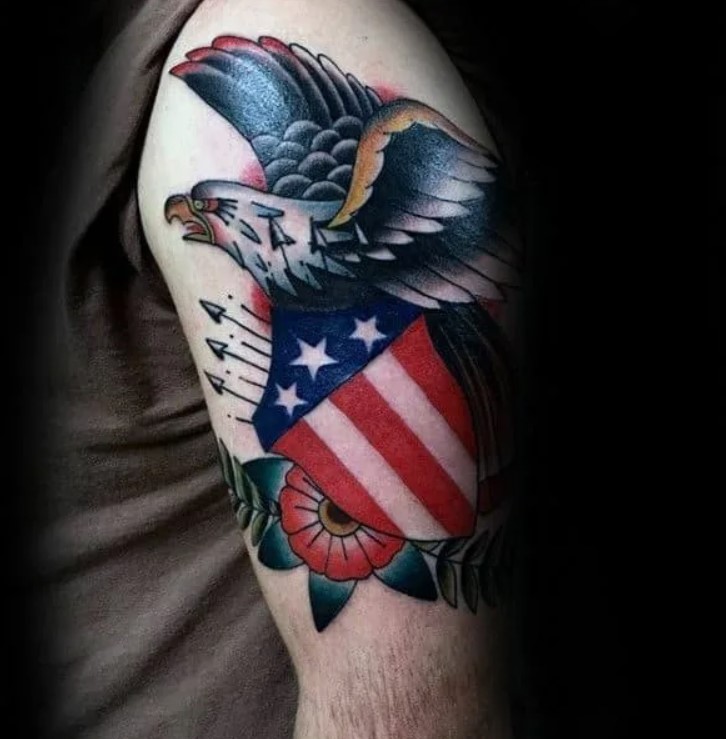
Color Palette: Bold and Vibrant Choices
The traditional American tattoo style is renowned for its distinctive color palette, characterized by bold and vibrant hues that make each piece stand out. The choice of colors goes beyond mere aesthetics; it reflects the cultural and artistic influences of the time. Primary colors, such as red, blue, and yellow, are prevalent, as they provide strong visual impact and clarity, even from a distance.
Red serves as a dominant choice, often symbolizing passion, love, or sacrifice. Blue tones are frequently used to depict water, skies, or to represent tranquility and loyalty. Yellow, with its brightness, adds an element of cheerfulness and also symbolizes warmth and optimism.
Green is often utilized in designs featuring nature elements, such as leaves and serpents, representing growth and life. Black outlines, also a hallmark of this style, enhance the vibrancy of the colors, providing definition and sharpness that contrasts effectively with the brighter shades.
Moreover, the use of pigment saturation in traditional American tattoos allows colors to retain their brilliance over time. This durability is essential for tattoos, as they are lifelong expressions of personality and beliefs. Techniques like shading with darker tones can also enhance the depth and dimensionality of the artwork.
The color choices in traditional American tattoos are not random; they are strategic and meaningful. Each hue carries its significance, contributing to the overall narrative and symbolism of the design. This mindful approach to color palette selection is what distinguishes traditional American tattoos within the broader tattoo culture.
Design Elements: Americana Symbols and Imagery
The traditional American tattoo style is rich in symbolism and imagery that reflects the values, beliefs, and experiences of American culture. Central to this style are icons that resonate with a sense of nostalgia and patriotism.
One of the most recognized symbols is the American eagle, representing freedom and strength. This majestic bird often appears alongside other elements, such as a shield or stars, underscoring its national significance. Additionally, the skull is prevalent, symbolizing mortality and the transient nature of life, while often incorporated into designs to convey a fearless attitude.
Roses are also a staple in Americana tattoo art. They typically symbolize love and beauty, but when combined with thorns, they can represent the pain that accompanies passion. This juxtaposition captures the complexities of human emotions and relationships, making it a popular choice among tattoo enthusiasts.
Another iconic element is the nautical star, which signifies guidance and protection, especially for sailors navigating treacherous waters. This symbol often evokes themes of adventure and a yearning for exploration, reflecting the spirit of wanderlust present in American culture.
Additionally, traditional American tattoos frequently feature banners and scrolls, which often include names or phrases. These textual elements enhance the storytelling aspect of the art, allowing individuals to keep meaningful messages close to them. Common phrases like “Mom” or “Forever” are popular, signifying deep personal connections.
Animals such as snakes and panthers are prevalent in traditional designs, representing various attributes like cunning, agility, and power. These beasts serve not only as aesthetic focal points but also carry deeper meanings related to the traits admired in American character.
Lastly, the use of vibrant colors is a hallmark of the Americana style, with bold reds, blues, and greens dominating the palette. This color scheme not only adds to the visual impact of the tattoos but also reinforces the connection to American patriotism and resilience.
Overall, the design elements of traditional American tattoos encapsulate a rich narrative of identity, cultural history, and personal significance, making each piece not just a work of art but a profound expression of self.
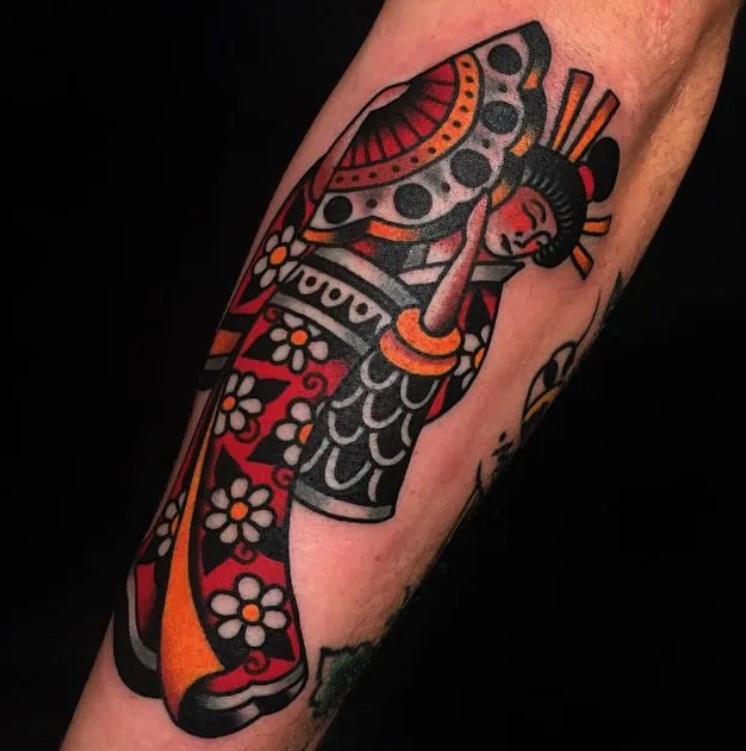
Line Work: The Importance of Thick Outlines
The traditional American tattoo style is characterized by boldness and simplicity, with one of its most crucial elements being the use of thick outlines. Thick outlines enhance the clarity and visual impact of a tattoo, making it instantly recognizable. This technique not only defines shapes but also provides a strong contrast, emphasizing the imagery and making it stand out against the skin.
Thick outlines serve multiple purposes. Firstly, they aid in the longevity of tattoos. Over time, tattoos may fade or blur; however, the presence of a robust outline helps maintain the overall shape and integrity of the design. This is essential for preserving the tattoo’s visibility even after years of wear.
Visual Impact and Clarity
The use of thick outlines creates a striking visual effect that draws attention. In traditional American tattoos, the outlines often serve to frame the artwork, giving it structure and coherence. The boldness of the lines acts as a visual anchor, allowing elements within the design to coexist harmoniously without becoming overwhelming.
| Benefits of Thick Outlines | Description |
|---|---|
| Enhanced Longevity | Thicker lines resist fading better than finer ones, helping the tattoo maintain its original appearance over time. |
| Clear Definition | Bold outlines create a clear separation between different elements, enhancing the overall clarity of the design. |
| Visual Boldness | Thick lines amplify visual impact, making tattoos more striking and attention-grabbing. |
Contrast and Depth
Another critical aspect of thick outlines is their ability to create contrast. By employing thick black lines against various colors, artists can produce a sense of depth and dimensionality. This contrast not only highlights the design but helps convey the intended theme or message of the tattoo. In combination with bright colors, thick outlines can also enhance the vibrancy of the artwork, ensuring it remains captivating to the viewer.
In conclusion, thick outlines play an indispensable role in traditional American tattoo style. They enhance longevity, clarity, and visual impact, ensuring that tattoos maintain their charm and character over time. By understanding the significance of line work, both tattoo artists and enthusiasts can appreciate the artistry behind each design.
Iconic Motifs: Skulls, Anchors, and Roses
The traditional American tattoo style is characterized by its bold lines and vibrant colors, featuring several iconic motifs that have become emblematic of this art form. Among these motifs, skulls, anchors, and roses stand out as powerful symbols with rich meanings and a deep connection to various aspects of American culture.
Skulls
Skulls are perhaps one of the most recognizable symbols in traditional tattoo art. They represent:
- Mortality: Skulls serve as a reminder of the inevitability of death, often embodying a memento mori theme.
- Rebellion: The use of skull imagery often conveys a sense of defiance and anti-establishment sentiment.
- Protection: In some cultures, skulls are believed to provide protection against evil spirits and negative energies.
These multifaceted meanings make skulls a versatile choice for tattoos, appealing to a wide range of individuals seeking to convey personal philosophies or life experiences.
Anchors
Anchors symbolize stability, hope, and steadfastness. Commonly associated with sailors and the maritime lifestyle, they carry significant meanings:
- Navigation: Anchors represent a sense of direction and the importance of staying grounded amid life’s storms.
- Loyalty: For sailors, an anchor signifies loyalty to one’s ship, crew, and maritime tradition.
- Hope: In tattoo culture, anchors often denote hope and the promise of returning home safely.
This motif has become popular with those who view life as a voyage, symbolizing the need for stability in turbulent times.
Roses
Roses are celebrated for their beauty and complexity, often embodying themes of love and passion. In traditional tattoo art, they are commonly featured due to:
- Love: Associated with romance, roses symbolize deep affection and devotion.
- Duality: The beauty of the rose is often contrasted with its thorns, representing the complexities of love and life.
- Growth: Roses can signify personal growth, resilience, and the ability to thrive through adversity.
In traditional American tattoo style, roses are frequently combined with other motifs, creating layered meanings and enhancing their visual appeal.
In conclusion, the motifs of skulls, anchors, and roses hold substantial cultural significance within traditional American tattoo art. Each symbol embodies distinct themes that resonate with a diverse audience, contributing to the richness and continuity of this storied practice.
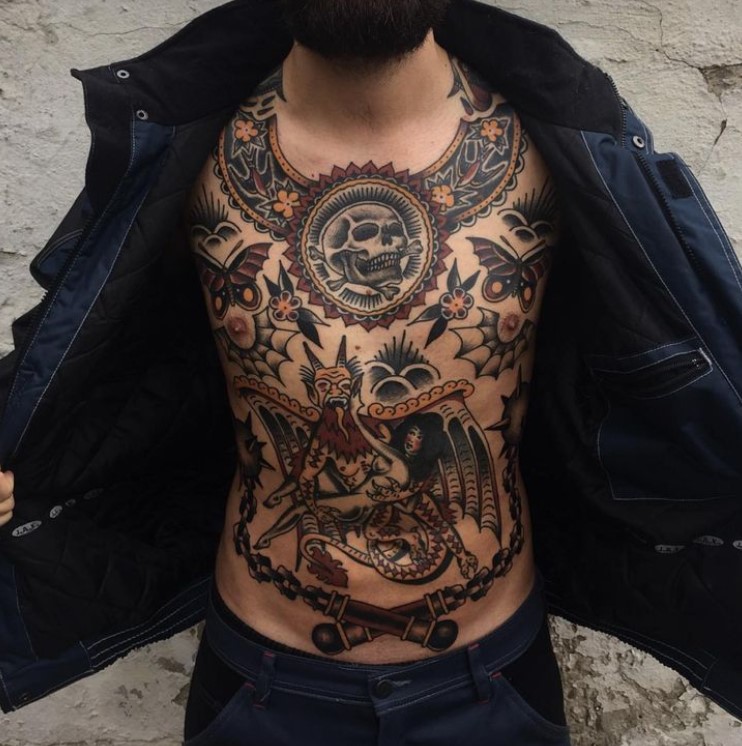
Cultural Influences: The Impact of Naval and Military Traditions
The traditional American tattoo style has been significantly shaped by naval and military cultures, which have historically embraced tattoos as symbols of identity, camaraderie, and personal expression. Sailors, in particular, have long been associated with tattoos, viewing them as rites of passage and tokens of experiences gained during voyages. Common motifs, such as anchors, eagles, and ships, reflect the maritime environment and the values of strength and resilience that are central to naval life.
The use of tattoos among sailors can be traced back to the 18th century, when seafaring was fraught with danger. Tattoos served not only as badges of honor but also as reminders of loved ones left behind. Their connection to the sea often imbued these tattoos with a sense of permanence, serving as talismans believed to offer protection during perilous journeys. This tradition has evolved, influencing the broader tattoo culture in America.
Military personnel adopted similar values surrounding tattoos, with ranks and unit insignias often depicted on the skin. For soldiers, tattoos became an essential method of marking their service and sacrifice, enhancing their sense of belonging and identity within their units. Symbols such as skulls, weapons, and patriotic imagery became common, representing the warriors’ commitment to their country and comrades.
The impact of these traditions can be seen in the stark motifs and bold lines characteristic of the traditional American tattoo style. These tattoos often feature clear, simplified designs that communicate powerful messages without unnecessary embellishment. This aesthetic mirrors the straightforward and rugged nature of military life, emphasizing clarity and impact.
Furthermore, the blending of these cultures has resulted in a distinct symbolism found in American tattoos. For instance, the sparrow, often associated with sailors, symbolizes safe return home, while the eagle represents freedom and patriotism in military contexts. This fusion of imagery has expanded the narrative possibilities for tattoo artists and clients alike.
In conclusion, naval and military traditions have profoundly influenced the evolution of traditional American tattoo styles. The unique blend of symbolism, themes of loyalty, and personal stories carried by these designs contribute to their enduring appeal and significance within American culture.
Style Evolution: From Early Ink to Modern Interpretations
The evolution of traditional American tattoo style reflects a rich tapestry of cultural influences, artistic trends, and technological advancements. Originating in the early 20th century, American tattoos have journeyed from rudimentary designs to today’s intricate symbols, capturing the changing essence of society and personal expression.
Historical Foundations
The roots of traditional American tattoos can be traced back to sailors and soldiers who marked their skin with symbols of luck, strength, and identity. Early designs included:
- Nautical themes, such as anchors and mermaids
- Patriotic symbols, like eagles and flags
- Iconic images representing love and loss, such as hearts and daggers
These tattoos served not only as personal decoration but also as stories that conveyed experiences and aspirations of those who wore them.
Transformation Through Time
As the tattoo culture gained popularity, influences from other artistic movements began shaping its evolution:
- Mid-20th Century: The rise of tattoo shops and artists like Sailor Jerry introduced bold colors and distinct designs that became synonymous with the genre.
- 1970s and 80s: The advent of tattoo conventions and expanding media portrayal led to a diversification of styles, introducing elements from tribal, Japanese, and contemporary art.
- Modern Era: Today, tattoos have transcended their subcultural origins, becoming a mainstream form of self-expression. Artists experiment with realism, watercolor, and abstract techniques, while still paying homage to traditional roots.
Modern interpretations blend traditional elements with personal narratives, creating unique, customized designs that reflect the individuality of the wearer.
In conclusion, the evolutionary path of the traditional American tattoo style showcases not only a shift in artistic expression but also a broader societal acceptance of tattoos as a legitimate form of artistry. As this style continues to evolve, it maintains a deep connection to its historical foundations while embracing new influences and techniques.
Placement Trends: Popular Areas for Traditional Tattoos
Traditional American tattoos are characterized by bold lines, vibrant colors, and iconic imagery. The placement of these tattoos plays a crucial role in their visual impact and cultural significance. Over the years, certain areas of the body have emerged as favored spots for showcasing this art form.
Upper Arms and Shoulders
The upper arms and shoulders are classic locations for traditional tattoos. This area provides ample space for larger designs, allowing for intricate details and bold imagery, such as eagles, skulls, and roses. These tattoos often signify strength and resilience, making them popular among those who appreciate the symbolism behind the art. The visibility of tattoos in these areas also contributes to their popularity, as they can be easily displayed while still allowing for discretion when needed.
Chest and Back
The chest and back serve as canvases for some of the most elaborate traditional tattoos. Designs often cover extensive areas, featuring themes like nautical elements, historical figures, or decorative patterns. The chest, particularly, is favored for its central location, allowing for larger pieces that can be both visually striking and deeply personal. The back offers a wider canvas, making it ideal for intricate scenes or compositions that may incorporate multiple elements, creating a narrative or a story within the artwork.
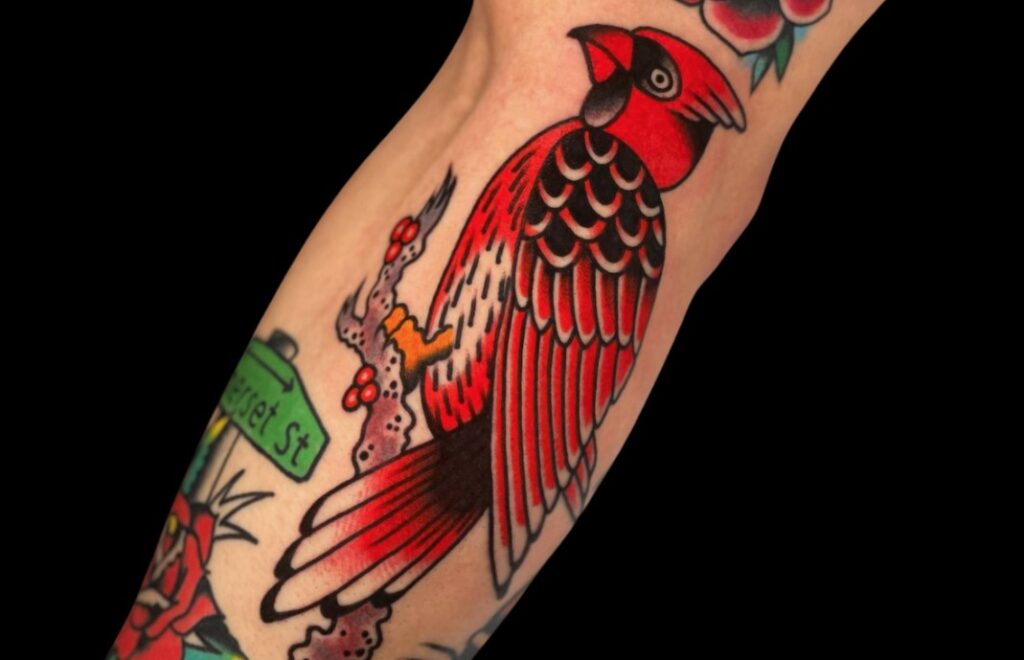
Notable Artists: Pioneers of the Traditional Style
The traditional American tattoo style, characterized by its bold lines, vibrant colors, and iconic imagery, owes much of its development to several key figures in the tattooing world. These artists not only popularized the style but also helped to establish the cultural significance of tattoos in American society.
Norman “Sailor Jerry” Collins
Norman Collins, better known as Sailor Jerry, is often regarded as one of the most influential figures in traditional American tattooing. Active during the mid-20th century, he was known for his elaborate designs that featured classic motifs such as dragons, eagles, and pin-up girls. Sailor Jerry innovated techniques such as the use of color and shading, which significantly enhanced the visual impact of tattoos. His experiences in the Navy provided inspiration for many designs, earning him a reputation as the “father” of American traditional tattooing.
Ed Hardy
Ed Hardy further expanded the traditional style’s reach through his unique approach to tattoo art. Training under Sailor Jerry, Hardy incorporated elements of Japanese tattooing while maintaining the bold lines and vibrant colors of traditional designs. His work includes a variety of motifs such as skulls, roses, and koi fish, blended with contemporary aesthetics. In addition to his tattooing skills, Ed Hardy is well-known for his fashion brand that brought tattoo art into mainstream culture, solidifying the traditional style’s status as an art form.
These pioneers, among others, shaped the traditional American tattoo style, leaving a lasting legacy that continues to inspire both artists and enthusiasts alike. Their contributions not only advanced the techniques and themes associated with tattooing but also helped to normalize and celebrate the art form within American culture.
Techniques: Hand-Poked vs. Machine Tattoos
The traditional American tattoo style has its roots in various applications, with two predominant techniques being hand-poked and machine tattoos. Each method has unique characteristics, benefits, and drawbacks that appeal to different types of artists and clientele.
Hand-Poked Tattoos
Hand-poked tattoos involve a manual process where the artist uses a single needle to poke the skin and deposit ink. This technique does not rely on electricity or machines, favoring the slow, deliberate pace of the artist’s hand. One of the most notable attributes of hand-poked tattoos is their intimate feel, which can create a deep connection between the artist and the recipient. Due to the nature of the technique, these tattoos often exhibit a more organic look, with slight variations in line thickness and shading that can enhance their artistic charm.
Moreover, many artists and clients appreciate hand-poked tattoos for their minimal impact on the skin, often resulting in less trauma and quicker healing times. The ancient practice is seen as a cultural homage, evoking a sense of tradition that resonates with those who seek a more personal and meaningful tattoo experience.
Machine Tattoos
On the other hand, machine tattoos utilize electric tattoo machines equipped with multiple needles that can create consistent lines and intricate designs more efficiently than hand-poking. This technique allows artists to achieve detailed and finely executed images, appealing to those who favor precision and complexity in their body art. Machine tattoos can accommodate a variety of styles, from bold traditional American designs to elaborate color layouts, making them versatile and widely popular.
The speed of machine tattooing significantly reduces the time spent on larger projects, which can be a crucial factor for clients looking for detailed artwork. However, some individuals may find the machine’s buzzing sound or the rapid pace to be less soothing compared to the hand-poking method. Despite this, the durability and long-lasting aspects of machine tattoos often make them a preferred choice for clients seeking a bold and vibrant appearance.
In summary, both hand-poked and machine tattoos possess distinct qualities that cater to different preferences. Hand-poked tattoos celebrate tradition and the artisanal approach, while machine tattoos epitomize precision and efficiency, providing a broad canvas for modern creativity. Ultimately, the choice between these two techniques reflects the individual desires and values of the tattoo seeker.
Aftercare: Best Practices for Traditional Tattoos
Proper aftercare is essential for ensuring that your traditional tattoo heals well and retains its vibrant colors and sharp details. Following these best practices can significantly affect the healing process and the overall appearance of your tattoo.
Initial Care
Immediately after your tattoo session, your artist will cover the area with a bandage or plastic wrap. It’s important to keep this covering on for the recommended duration, usually a few hours. Once removed, gently wash the tattoo with lukewarm water and a mild, fragrance-free soap. Avoid scrubbing; use your hands to clean the area softly. Pat it dry with a clean towel instead of rubbing.
Moisturizing and Protection
After cleaning, apply a thin layer of fragrance-free, gentle moisturizer or a specialized tattoo aftercare ointment recommended by your artist. This will help keep the tattoo hydrated and promote healing. Avoid using petroleum-based products as they can suffocate the skin. Maintain moisturization for at least two weeks. It’s vital to avoid exposing the tattoo to direct sunlight, so keep it covered with clothing or use a high SPF sunscreen once it has fully healed. Additionally, avoid soaking the tattoo in water, such as pools or baths, for several weeks to prevent infection.
Q&A – American Tattoo Style:
What are the key features of the Traditional American Tattoo Style?
The Traditional American Tattoo Style is characterized by bold lines, vibrant colors, and iconic imagery. The designs often incorporate motifs such as skulls, eagles, roses, and nautical themes. These tattoos tend to have a flat appearance and utilize a limited color palette, making them easily recognizable. The style emphasizes strong outlines to enhance visibility and longevity. Additionally, the artwork tends to draw inspiration from the early 20th-century tattoo culture, particularly the designs popularized by artists like Norman “Sailor Jerry” Collins.
How did the Traditional American Tattoo Style develop over time?
The development of the Traditional American Tattoo Style can be traced back to the late 19th and early 20th centuries when sailors and soldiers brought tattooing home from their travels. It gained popularity thanks to artists who created flashy designs that could be easily understood even from a distance. This style became more defined in the mid-20th century as tattoo shops established themselves in urban areas. This blend of military, maritime, and folk art led to a rich culture where symbols held personal meaning for wearers. The style has remained popular due to its bold aesthetic and the nostalgia it conveys for a bygone era.
What symbolism is commonly found in Traditional American tattoos?
Traditional American tattoos often feature symbols rich with meaning. For instance, a swallow tattoo might symbolize the hope of returning home, while a skull can represent mortality or the idea of living life to the fullest. Roses are often linked to love and beauty, while nautical themes like anchors convey stability. Each design is steeped in history and personal relevance, making them attractive not only for their aesthetic but also for the stories they tell about the wearer’s life and values.
How does the Traditional American Tattoo Style compare to other tattoo styles?
Compared to other tattoo styles like realism or abstract art, the Traditional American Tattoo Style is defined by its simplicity and boldness. While realism aims for detailed, lifelike images, and abstract designs prioritize form and color over representation, Traditional American tattoos focus on clear imagery with a narrative. This style values symbolism and direct communication through its designs, making it distinct from others that may prioritize artistic interpretation. The strong lines and classic motifs also contribute to its timeless appeal, ensuring that the tattoos remain relevant across generations.
Trendy Tattoo Artist in Chicago is not just a title, but a promise that your new piece of art will be stylish, relevant, and executed using the most cutting-edge techniques.


