

Walk in Tattoo availability is an essential concept for enthusiasts to grasp, as this term refers to the opportunity for clients to receive a tattoo without a prior appointment. The world of tattoos is diverse and ever-evolving. With the rise of tattoo culture, many studios have adapted to provide this flexible option, catering to customers who prefer spontaneity over pre-scheduled sessions.
Walk-in tattoo availability offers a unique experience for individuals seeking immediate body art. It allows clients to explore their options and consult with artists on-site, fostering an environment of creativity and decision-making. Additionally, this approach enables both seasoned tattoo veterans and newcomers to dive into the tattooing process without the pressure of having planned their visit weeks in advance.
However, navigating walk-in availability can come with its own set of challenges. Not all tattoo shops offer this service, and those that do may have specific time slots or restrictions based on the artists’ schedules and workloads. Understanding how to approach these opportunities can enhance the tattoo experience, ensuring that clients leave with exactly what they envisioned.
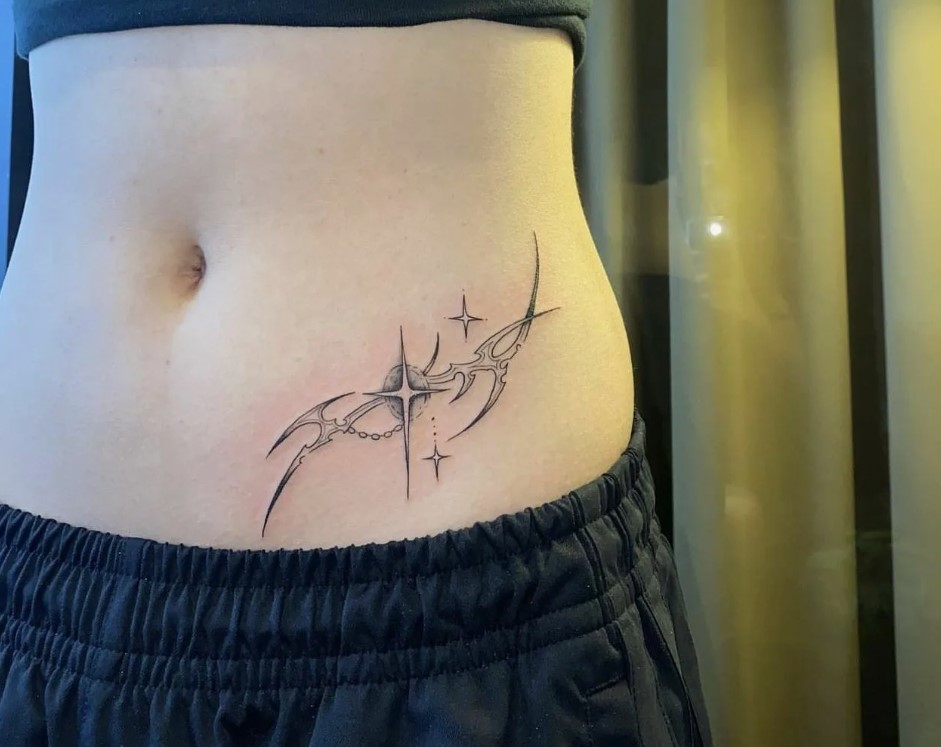
What Is a Walk-In Tattoo Appointment?
A walk-in tattoo appointment is a type of tattoo session where clients can arrive at a tattoo studio without a prior scheduled appointment. This format enables individuals to get tattooed on the spot, depending on the availability of the tattoo artist and the studio’s scheduling. Walk-in appointments are particularly popular for spontaneous tattoo decisions, as they offer flexibility for both clients and artists.
Advantages of Walk-In Tattoo Appointments
There are several benefits to choosing a walk-in tattoo appointment. Firstly, clients have the opportunity to be tattooed without the need for advance planning or consultation. This is ideal for those who may have sudden inspiration or wish to commemorate an event immediately. Secondly, walk-ins allow clients to visit multiple studios on the same day, making it easier to find an artist whose style resonates with them.
Considerations for Walk-In Tattoos
While walk-in appointments provide spontaneity, there are important factors to keep in mind. Availability can vary from day to day, and it is wise to call ahead to check if the studio can accommodate walk-ins. Additionally, more complex designs may require a scheduled appointment, as artists may need time to prepare. Understanding the pricing structure is also essential, as walk-in rates may differ from those for booked sessions.
| Factor | Walk-In Appointments | Scheduled Appointments |
|---|---|---|
| Flexibility | High | Lower |
| Preparation Time | Minimal | More time for consultation |
| Design Complexity | Limited | Extensive |
| Pricing | Variable | Often fixed |
Local Tattoo Shops That Accept Walk-Ins
Finding a tattoo shop that accepts walk-ins can be an essential factor for many tattoo enthusiasts. Many local establishments provide the flexibility of immediate service without the need for prior appointments. This allows clients to explore their tattoo options spontaneously and get inked on a whim.
Factors to Consider When Choosing a Walk-In Shop
When selecting a local tattoo shop that accommodates walk-ins, consider the shop’s reputation, portfolio of artists, and customer reviews. A reputable shop will have experienced artists who specialize in various styles. It’s also essential to check the cleanliness and safety protocols, ensuring that the environment adheres to health regulations. When visiting, pay attention to how the staff interacts with customers, as a welcoming atmosphere can enhance the overall experience.
Benefits of Getting Inked as a Walk-In
The primary advantage of walk-in tattoos is the immediacy and convenience they offer. This option allows clients to make spur-of-the-moment decisions about their body art. Additionally, walk-in shops often have artists available to offer varied insights and suggestions, which can lead to a more enriched tattoo selection process. Flexible availability also means that spontaneous celebrations, such as birthdays or anniversaries, can be marked with an unforgettable piece of art.
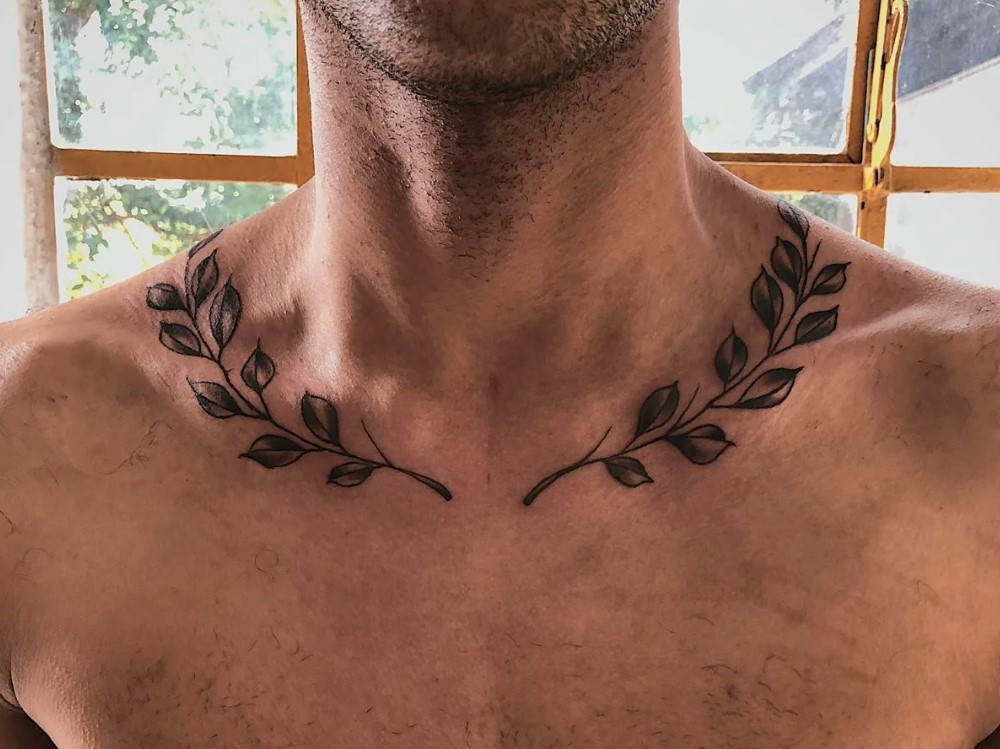
Ideal Times for Walk-In Tattoo Visits
Choosing the right time for a walk-in tattoo visit can greatly enhance your experience and increase the likelihood of getting the design you want on the spot. Here are some key factors to consider:
Day of the Week
- Weekdays: Tuesdays and Wednesdays tend to be the least busy days in tattoo studios. Many artists are available to take walk-in clients during these times, providing a relaxed atmosphere.
- Weekends: Saturdays and Sundays are generally the most crowded. If you prefer a quicker experience, it’s advisable to avoid weekends, especially late afternoons.
Time of Day
- Morning Hours: Arriving early when the studio opens is ideal. Artists are fresh, and you will have more options available.
- Lunch Time: Many tattoo shops experience a lull during lunch hours (11 AM to 2 PM) when clients are less likely to book appointments.
- Early Evenings: After 5 PM can be busy as people tend to visit after work. Arriving earlier in the evening might yield better results.
Overall, to maximize your chances of a successful walk-in tattoo experience, plan your visit during quieter days and hours. Always remember to call ahead if possible to confirm availability and artist schedules.
Common Tattoo Designs Suitable for Walk-Ins
Walk-in tattoos are an excellent option for those who want spontaneous body art without extensive planning. Many tattoo shops accommodate walk-in clients with a selection of popular designs. Here are common tattoo designs that are perfect for walk-in appointments:
- Simple Symbols: Icons like anchors, hearts, or stars are quick to ink and can be easily customized.
- Small Text: Short quotes, names, or meaningful words that hold significance can be done rapidly.
- Nature Motifs: Designs like flowers, leaves, or mountains often use clean lines and are suitable for quick execution.
- Minimalist Art: Simple geometric shapes and patterns are trendy and can be completed in a short time frame.
- Single Line Tattoos: These designs consist of continuous lines forming intricate shapes or images, ideal for fast tattoos.
Choosing designs that are straightforward and less complex helps ensure you receive quality work even on short notice. Always consult with your tattoo artist to ensure the design fits your vision and can be completed on time.
In addition to these design types, it’s essential to consider placement. Locations like the wrist, forearm, or ankle are popular for walk-in tattoos as they allow for smaller, quicker pieces. Be open to suggestions from the tattoo artist regarding design modifications that suit your chosen area of the body.
How to Prepare for a Walk-In Tattoo Session
Preparing for a walk-in tattoo session requires careful consideration and a few essential steps to ensure a smooth experience. Here are the key areas to focus on:
- Research Tattoo Styles:Before visiting the shop, spend some time researching different tattoo designs and styles. Consider what appeals to you and how it reflects your personality.
- Find a Reputable Shop:Look for tattoo shops with positive reviews and experienced artists. Check their portfolios to ensure their style aligns with what you want.
- Decide on a Design:Have a clear idea of the tattoo you want. Bring reference images or sketches if possible to help the artist understand your vision.
- Be Mindful of Placement:Think about where you want the tattoo on your body. Consider visibility, size, and how it may change over time.
- Prepare Mentally and Physically:Ensure you are well-rested and hydrated before your session. Avoid alcohol and drugs, as these can affect your pain tolerance and blood flow.
- Dress Appropriately:Wear clothing that easily allows access to the area you want tattooed. Comfort is key, so choose breathable and loose-fitting fabrics.
- Budget Considerations:Know the cost of your tattoo beforehand. Confirm payment methods accepted at the shop and ensure you have enough funds available.
- Stay Open to Artist Input:Be prepared for the artist to suggest adjustments. They may have insights on design modifications that can enhance the overall look.
By following these preparation steps, you can ensure a positive and fulfilling walk-in tattoo experience. Being organized and mindful will help you and your artist create an artwork that you will cherish for years to come.
Understanding Wait Times at Walk-In Shops
Walk-in tattoo shops provide a unique experience for those seeking immediate body art without the need for prior appointments. However, one of the significant factors to consider in this environment is the wait time. Understanding these wait times can help you prepare for your visit and manage your expectations.
Wait times at walk-in shops can vary based on several factors. The time of day plays an essential role; peak hours during weekends often lead to longer waits. Conversely, visiting during less busy times, like weekday afternoons, may result in shorter waits. Moreover, seasonal trends can influence availability, with summer and holiday seasons typically seeing higher customer volumes.
The number of artists working at the shop also affects wait times. If a shop has multiple tattoo artists available, the likelihood of being attended to promptly increases. However, if only one artist is available and is currently in the middle of a project, wait times can extend significantly.
Preparation is crucial when addressing wait times. Having a clear idea of the design you want can help expedite the process once your turn arrives. Additionally, ensuring that your chosen tattoo is suitable for a walk-in service–typically smaller, simpler designs–can contribute to a quicker experience.
Another aspect to consider is the shop’s policy regarding walk-ins. Some shops may have a first-come, first-served approach, while others may implement a system to manage the flow of customers more effectively. Understanding the specifics of the shop you are visiting will further clarify what to expect in terms of wait times.
In conclusion, while walk-in tattoo shops offer spontaneity, it is essential to be prepared for potential wait times. By considering factors such as the time of day, the number of available artists, and having a well-thought-out design, you can navigate these waits more effectively and enhance your tattooing experience.

What to Expect from Your Artist During a Walk-In
When you decide to get a walk-in tattoo, it’s essential to understand what to expect from your tattoo artist to ensure a smooth and rewarding experience. The process can be straightforward if you are prepared and know what to look for.
Initial Consultation
Upon arrival, your artist will likely begin with an initial consultation. This stage is crucial as it allows you to discuss your ideas and the design you have in mind. Be ready to explain your concept clearly, including details such as size, placement, and any specific elements you want. Your artist may offer insights or suggestions based on their expertise, which can enhance your design and make it more suitable for tattooing.
Design and Preparation
After finalizing your design, the artist will start preparing the stencil for your tattoo. This includes sizing and positioning the design on your skin to ensure it fits perfectly. During this time, it’s essential to communicate openly; if you have any last-minute changes or concerns, express them. Once everything is set, your artist will prepare the necessary tools and equipment for a clean and sterile tattooing process. Expect a professional atmosphere focused on your comfort and safety.
Tips for Choosing a Tattoo Artist on the Spot
Finding the right tattoo artist on the spot can be a daunting task, especially if you are unfamiliar with the local scene. Here are some practical tips to help you make an informed decision before getting inked.
1. Assess the Studio’s Cleanliness and Environment
Before committing to a tattoo artist, take a moment to evaluate the studio. A clean and organized environment is crucial for ensuring safety and hygiene. Look for sterilized equipment, disposable needles, and proper sanitation practices. A reputable studio will prioritize cleanliness, which is essential for your health and well-being.
2. Review Portfolios and Styles
Examine the portfolios of available artists. Most studios display their artists’ work either physically or online. Pay attention to the styles that resonate with you, whether it’s traditional, realism, or abstract. Ensure that the artist has the skills required to execute the design you envision. If possible, ask to see their recent work to gauge consistency and quality.
In addition to the artwork, consider the artist’s experience. Newer artists may offer lower prices, but established artists will likely have more refined skills. Find a balance between price and expertise to ensure you receive a quality tattoo.
3. Communicate Clearly
Once you have narrowed down your options, initiate a conversation with the artist. Clear communication is vital to ensure that your ideas are understood and that you feel comfortable expressing your preferences. Discuss your vision, any specific details, and any concerns you may have. A good artist will take the time to listen and offer guidance while ensuring you feel at ease.
4. Trust Your Instincts
Ultimately, trust your gut feeling. If the atmosphere feels welcoming and the artist shows confidence and professionalism, you are likely in good hands. However, if anything feels off, it’s perfectly acceptable to walk away and seek another artist. Your comfort and peace of mind should be the priority when choosing a tattoo artist on the spot.
Pricing Structure for Walk-In Tattoos
The pricing structure for walk-in tattoos can vary significantly based on several factors, including the tattoo studio, the artist’s experience, the complexity of the design, and the geographical location. Generally, tattoo studios offer a base rate for walk-in services, which may include a minimum charge that covers a certain amount of time and materials used during the tattoo process.
Base Rates and Hourly Charges
Most tattoo shops implement a base rate that serves as a starting point for all tattoos, often ranging from $50 to $150. This minimum fee typically covers small, simple designs that may take around 30 minutes to complete. For intricate pieces or larger tattoos, tattoo artists often charge by the hour, with rates averaging between $100 and $300 per hour. These prices can fluctuate based on the artist’s skill level and the demand for their work.
Additional Costs and Considerations
In addition to the base rate and hourly charges, there may be extra costs for specific elements such as color, size, or added details. Custom designs, which require more time and artistic input, might also incur additional fees. Furthermore, certain locations may include sales tax or other applicable charges in the final price, so it is advisable for clients to inquire about potential extra costs when visiting a walk-in tattoo studio.
Aftercare Tips for Walk-In Tattoos
Proper aftercare is essential to ensure your walk-in tattoo heals well and retains its vibrancy. Following these steps will help you achieve the best results.
1. Keep it covered: After your tattoo session, your artist will apply a bandage or plastic wrap. Keep this on for the recommended time, usually between 2 to 24 hours, to protect the tattoo from bacteria and prevent irritation.
2. Clean gently: Once you remove the cover, wash the tattoo gently with warm water and fragrance-free soap. Use your hands rather than a cloth to avoid irritation. Pat the area dry with a clean towel instead of rubbing it.
3. Moisturize consistently: Apply a thin layer of a recommended ointment or unscented moisturizer to keep the tattoo hydrated. This helps prevent dryness and peeling. Reapply two to three times a day during the initial healing phase.
4. Avoid soaking: Refrain from soaking your tattoo in water for at least two weeks. This includes baths, swimming pools, and hot tubs. Showers are fine, but keep your tattoo out of direct water spray.
5. Do not pick or scratch: As your tattoo heals, it may scab or peel. Avoid picking at it, as this can cause scarring or color loss. Let the skin heal naturally.
6. Stay out of the sun: Protect your tattoo from sun exposure during the healing process. UV rays can fade the ink and damage healing skin. Once healed, use a high-SPF sunscreen to maintain the tattoo’s vibrancy.
7. Wear loose clothing: Tight clothing can irritate a new tattoo. Opt for loose-fitting garments to allow the area to breathe and heal without friction.
8. Monitor for signs of infection: Keep an eye on your tattoo for signs of infection, such as excessive redness, swelling, or pus. If you notice any concerning symptoms, consult with your tattoo artist or a healthcare provider.
Following these aftercare tips will help your walk-in tattoo heal properly and look its best for years to come. Always listen to any specific instructions provided by your tattoo artist, as they may tailor aftercare advice based on your skin type and the tattoo’s location.
How Walk-In Policies Vary by Studio
Walk-in policies for tattoo studios can greatly differ based on various factors, including the studio’s size, location, and overall philosophy towards customer service. Understanding these differences can help potential clients navigate their tattoo experience more effectively.
Common Variations in Walk-In Policies
- Availability of Artists: Some studios have designated artists for walk-in clients, while others may require appointments even for walk-ins, especially during peak times.
- Types of Designs: Certain studios focus on flash art, which is pre-designed artwork available for immediate tattooing. Others may allow custom designs but could limit this to scheduled appointments.
- Wait Times: Walk-in studios may experience varying wait times based on daily demand. Some studios provide a ticketing system to manage this, while others operate on a first-come, first-served basis.
- Studio Policies: Each studio may have unique guidelines regarding walk-ins, such as age restrictions, required deposits, or specific days set aside for walk-ins versus appointments.
Factors Influencing Walk-In Policies
- Studio Size: Larger studios often have more staff and can accommodate more walk-in clients compared to smaller studios.
- Artist Experience: More experienced artists may prefer appointment-only policies to focus on detailed custom work, while newer artists might be more open to walk-ins to build their portfolios.
- Location: Studios located in tourist-heavy areas may see a higher volume of walk-in clients and adjust policies accordingly to manage crowd control.
- Customer Demand: If a studio notices a strong preference for walk-in services, they may adapt policies to cater to this clientele, ensuring better service and quicker turnarounds.
Understanding these variations can help potential clients make informed decisions about where and when to seek their tattoo. It’s advisable to check the studio’s website or call ahead to clarify their specific walk-in policy before visiting.
FAQs About Walk-In Tattoos
Walk-in tattoos are a popular choice for many individuals looking to get inked without the hassle of scheduling an appointment. Here are some frequently asked questions regarding this process.
What is a Walk-In Tattoo?
A walk-in tattoo allows clients to visit a tattoo studio without a prior appointment. Depending on the availability of artists and the current demand, customers can receive tattoos on the spot. This option is particularly appealing for spontaneous decisions or last-minute inspirations.
What Should I Expect When Getting a Walk-In Tattoo?
When opting for a walk-in tattoo, you should expect several key elements:
| Aspect | Description |
|---|---|
| Wait Time | Depending on the studio’s traffic, you may have to wait for a short period before your turn. |
| Design Selection | Some studios offer flash designs specifically for walk-in clients; custom designs may require an appointment. |
| Consultation | You will have a brief consultation with the artist to discuss placement, size, and design specifics. |
| Aftercare Instructions | Post-tattoo care instructions will be provided to ensure optimal healing. |
Being prepared can enhance your experience, so consider bringing visual references and knowing the ideal placement for your tattoo. Always choose a reputable studio to ensure safety and quality.
The Benefits of Choosing Walk-In Services
Walk-in tattoo services offer a range of advantages that enhance the overall experience for clients. One of the primary benefits is the immediate accessibility they provide. Clients can simply arrive at the studio without the need for prior appointments, allowing for spontaneous decisions and flexibility in scheduling.
This method also fosters a casual atmosphere, enabling clients to interact with artists and discuss ideas in real-time. This face-to-face communication can lead to more personalized designs and a better understanding of the client’s vision. Artists can offer suggestions based on their expertise, enhancing the creative process.
Additionally, walk-in services often lead to shorter waiting times for clients who are ready to get tattooed. Unlike traditional booking systems that may involve weeks or months of waiting, walk-in clients can often receive their tattoos on the same day, providing instant gratification.
Another advantage is the opportunity for clients to assess the studio environment directly. Being able to gauge cleanliness, professionalism, and the overall vibe of the shop before committing to a tattoo is an important factor for many individuals. This firsthand evaluation can lead to a more comfortable and confident decision-making process.
Moreover, many tattoo studios that offer walk-in services often feature special promotions or flash designs that are exclusively available on a walk-in basis. This can lead to finding unique tattoo options at competitive prices, appealing to those who seek an exceptional piece of art without the high cost.
Ultimately, choosing walk-in services allows for a relaxed, engaging, and immediate tattoo experience, making it an attractive option for both first-timers and seasoned collectors alike.
Q&A – Walk in Tattoo:
What factors influence the availability of walk-in tattoo appointments?
The availability of walk-in tattoo appointments can be influenced by several factors. Firstly, the popularity and reputation of the tattoo studio play a significant role; busy shops may have limited walk-in slots due to high demand. Secondly, the size of the studio and the number of artists can affect availability; larger studios with multiple artists might accommodate more walk-ins. Seasonal trends can also impact availability, as some times of the year are busier for tattoo artists, leading to more appointments booked in advance. Lastly, specific events or conventions in the area may create spikes in demand, reducing the chances of securing a walk-in appointment.
Are there any specific days or times when walk-in tattoos are more likely to be available?
Yes, certain days and times are typically more favorable for walk-in tattoos. Weekdays, particularly Tuesday to Thursday, are generally quieter than weekends, making it easier to find availability. Additionally, some studios may have designated walk-in days or hours, which can increase your chances of getting tattooed without an appointment. Early afternoons right when the shop opens are often less busy than evenings, especially on weekends, so arriving during those hours can be beneficial.
How should I prepare for a walk-in tattoo session?
Preparing for a walk-in tattoo session involves a few key steps to ensure a smooth experience. First, consider what design you want and bring reference images if possible, as this helps the artist understand your vision. Next, make sure you’re dressed appropriately, allowing easy access to the area being tattooed. It’s also important to stay hydrated and eat something before your visit, as this can help with your comfort during the session. Lastly, be prepared to discuss your ideas with the artist and to potentially adjust them based on their suggestions and expertise.
What should I do if a tattoo studio is busy and doesn’t have walk-in availability?
If a tattoo studio is busy and cannot accommodate walk-ins, you have a few options. First, ask if you can schedule an appointment for a later date, as many studios will gladly take advance bookings. You can also inquire if they have a waitlist for walk-ins, which could secure you a slot if someone cancels. Exploring other tattoo shops in the area can also be a good approach. Finally, consider visiting the studio during off-peak hours or days to increase your chances of getting a walk-in appointment in the future.
How do I know if a tattoo shop is reputable for walk-in tattoos?
To determine if a tattoo shop is reputable for walk-in tattoos, start with online research. Look for customer reviews and ratings on platforms such as Google or Yelp; these can provide insight into others’ experiences with walk-in services. Checking the shop’s portfolio on its website or social media can also showcase the quality of their work. Visiting the shop in person can give you a sense of its cleanliness and professionalism. Don’t hesitate to ask the artists about their experience and styles, as this will help you gauge their expertise and ensure you feel comfortable with your choice.
What should I know about walk-in tattoo availability?
Walk-in tattoo availability refers to the opportunity to get a tattoo without a scheduled appointment. Many tattoo shops offer walk-in services on specific days or during certain hours. It’s important to check with the studio in advance, as availability can vary based on the artist’s schedule and the shop’s policies. Additionally, walk-in availability may be limited during busy times or special events. Being prepared with design ideas and knowing the shop’s rules can enhance the experience. Some shops may also have restrictions on the complexity or size of designs that can be done as walk-ins. Always remember to bring identification and be aware of the age requirements in your area.
Trendy Tattoo Artist in Chicago is not just a title, but a promise that your new piece of art will be stylish, relevant, and executed using the most cutting-edge techniques.


